REVIEW · SAN FRANCISCO
Go City: San Francisco Explorer Pass: Choose 2 to 5 Things To Do
Book on Viator →Operated by Go City · Bookable on Viator
San Francisco can be a lot. The Explorer Pass helps you tame it. You choose 2 to 5 attractions from a big menu, load a digital ticket on your phone, and redeem on your schedule with a full 30-day window.
I especially like the mix of classic sights and hands-on stops, from the Aquarium of the Bay tunnels to the Exploratorium’s interactive rooms. I also like that the pass comes with a digital guide, so you’re not stuck guessing which attractions need reservations and how to redeem the mobile ticket.
One thing to watch: many of the best-timed, most popular entries can require advanced reservations, and if you wait too long, you may end up swapping plans on the fly.
In This Review
- Key things to know before you buy
- How the San Francisco Explorer Pass works (and why it can pay off)
- Building your day-plan: pick stops that don’t fight each other
- Stop 1: Big Bus hop-on hop-off for quick orientation
- Stop 2: California Academy of Sciences for a full science day
- Stop 3: Aquarium of the Bay for hands-on marine viewing
- Stop 4: Exploratorium for do-it-yourself science
- Stop 5 & 6: Blue & Gold Fleet cruises for the Alcatraz look
- Escape from the Rock Cruise (about 90 minutes)
- San Francisco Bay Cruise (about 1 hour)
- Stop 7: Walt Disney Family Museum for interactive storytelling
- Stop 8: de Young + Legion of Honor for major art in one ticket
- Stop 9: SFMOMA for modern art at museum scale
- Stop 10: Asian Art Museum for serious depth
- Stop 11: Red and White Fleet Bridge to Bridge cruise for big skyline views
- Stop 12: USS Pampanito for submarine history
- Stop 13: Blazing Saddles all-day comfort bike rental for self-guided SF
- Stop 14: GoCar GPS storytelling car (reservation required)
- Stop 15: San Francisco Zoo for wildlife time
- Stop 16: USS Hornet Museum for aircraft carrier history
- Stop 17: Legoland Discovery Center Bay Area for hands-on play in San Jose
- Stop 18: The Flyer thrill zone for a short, cinematic ride
- Stop 19: Fisherman’s Wharf walking tour for a guided hit of the classics
- Stop 20: Six Flags Hurricane Harbor Concord for water-park time
- Reservations, timing, and staying flexible without losing your cool
- Should you book the Go City San Francisco Explorer Pass?
- FAQ
- How many attractions can I choose with the San Francisco Explorer Pass?
- How long is the Explorer Pass valid?
- Do I need a physical ticket?
- Is the pass usable immediately after purchase?
- Do I need to make reservations for included attractions?
- Is food included with the pass?
- Is transportation included to and from attractions?
- What attractions are included in the pass options?
- Can I use the pass for attractions outside San Francisco?
- What is the cancellation policy?
Key things to know before you buy

- You pick 2–5 attractions, and the pass stays valid for 30 days
- Mobile ticket only: save to your phone (or download/print if you prefer)
- A digital guide matters because some entries need reservations
- Big variety of locations: mostly San Francisco, but also nearby (Oakland, San Jose, Concord)
- Some timed experiences are short (like a 10-minute theater ride), so you should pair them with longer stops
How the San Francisco Explorer Pass works (and why it can pay off)
At $79 per person, you’re buying flexibility. The Explorer Pass isn’t about one guided tour that runs on a set schedule. It’s about stacking a few San Francisco must-dos (or near-must-dos) using the same digital pass, then spacing them across your trip during a 30-day validity period.
That makes it a smart choice when you:
- Have a short visit and want to hit multiple top attractions
- Want to spread sightseeing around weather and energy levels
- Like doing a mix of museums, waterfront views, and one or two “big-ticket” experiences
It can be less good if you show up with only two interests. You’ll still get in, but the value depends on whether those two choices are the ones that normally cost more or fill up quickly.
One more practical note: the pass is non-refundable and can’t be changed, so don’t treat it like an experiment you can cancel later without consequences.
You can also read our reviews of more city tours in San Francisco



Building your day-plan: pick stops that don’t fight each other
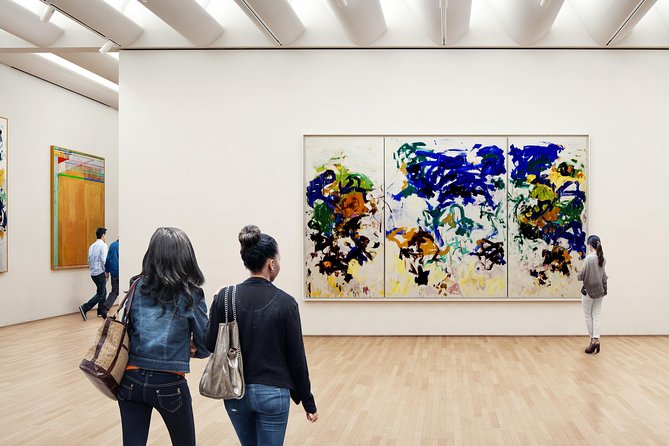
San Francisco looks compact on a map. In real life, hills, traffic, and long waterfront walks can add time fast. Your best move is to build a loose rhythm:
- Pair waterfront + bay views (cruises, Fisherman’s Wharf walking tour, Pier 39 area) in one chunk.
- Put museums and science together when you want indoor time, like an Aquarium + Exploratorium or Academy + art museums.
- If you want history stops (submarines/aircraft carrier), combine those so you don’t bounce across town twice.
- For families, mix animals + play (Zoo + Legoland Discovery Center) and save thrill rides for when everyone’s ready.
Also, remember that the pass can be redeemed at participating attractions, and attractions can change. The Go City app is your best source for the most current lineup, opening times, and access instructions.
Stop 1: Big Bus hop-on hop-off for quick orientation
If you’re trying to get your bearings fast, the Big Bus Tours San Francisco Classic is a strong anchor. It’s a 1-day hop-on hop-off pass, and the route is designed to connect major highlights—running between Fisherman’s Wharf and the Golden Gate Bridge area, with stops where you can choose what to visit next.
What I like about this choice is how it turns sightseeing into something adjustable. If you’re tired, you can just stay on board. If you’re energized, you can jump off near a neighborhood and explore.
Possible drawback: a hop-on hop-off system can get crowded. If you find buses are running behind demand, you’ll spend time waiting instead of sightseeing. You also may need to put a little effort into locating the stops, especially around busy areas like Fisherman’s Wharf.
Stop 2: California Academy of Sciences for a full science day
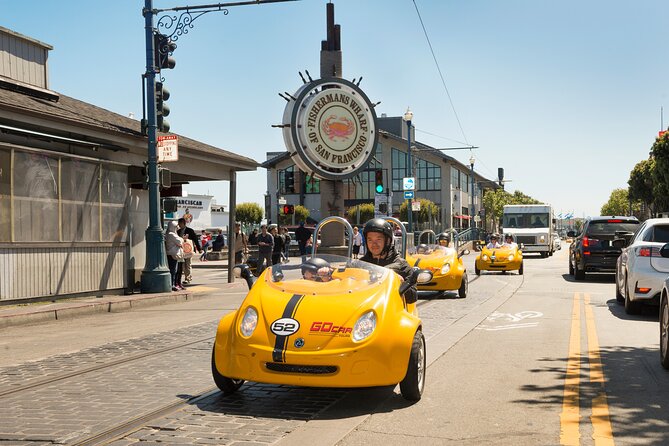
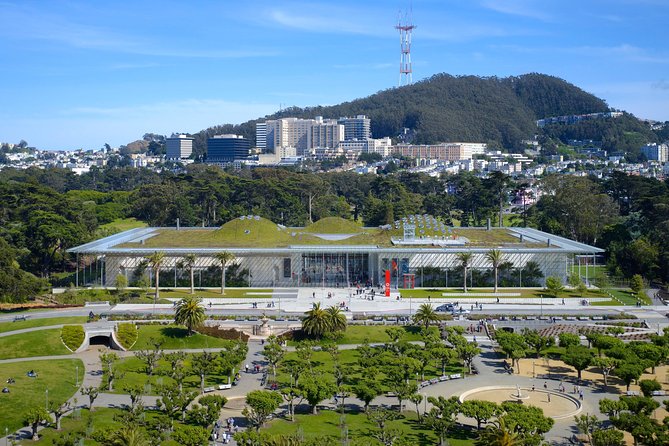
The California Academy of Sciences is a “go big or go home” kind of museum. Your pass covers admission for about 3 hours, and it’s known for being a major all-in-one learning stop. You’re not just looking at exhibits; you’re walking through an experience built around science.
Why it works: it’s great when the weather isn’t cooperating. It also pairs well with other science-adjacent stops nearby, so you can build a clean indoor day.
Stop 3: Aquarium of the Bay for hands-on marine viewing
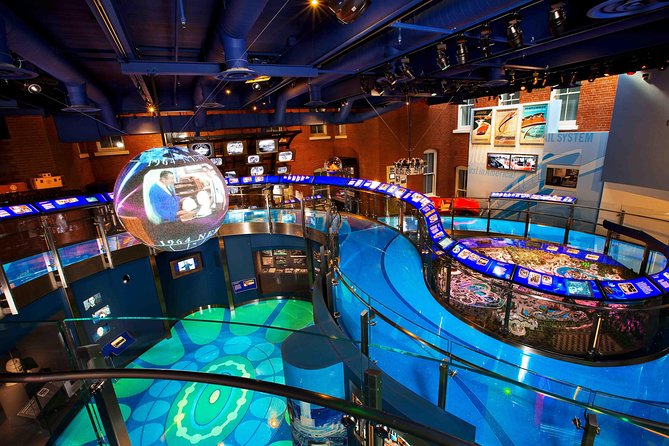
At the Aquarium of the Bay, you get a chance to see marine life through walk-through tunnels—your time is about 2 hours. The standout detail is the tunnel setup with 20,000 species and seven-gill sharks, described as the Bay’s largest predator.
This is also one of those experiences where expectations matter. If you’re looking for a giant, multi-building aquarium with hours of wandering, you might feel underwhelmed by the scale. But if you enjoy close-up marine viewing and tunnel routes, this stop can be a real hit.






Stop 4: Exploratorium for do-it-yourself science
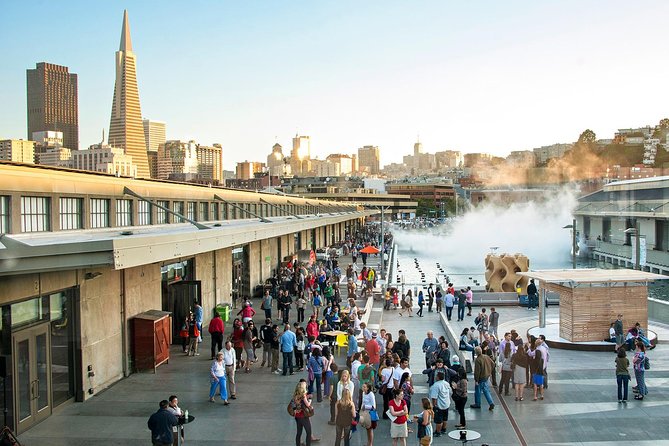
The Exploratorium is all about action. Plan around 2 hours, and you’ll face more than 650 interactive exhibits, which means you don’t just read labels—you try things.
This is a great choice if you want your museum time to feel more like play than study. It also tends to work well for mixed groups (adults and kids both find something they’ll actually use).
Stop 5 & 6: Blue & Gold Fleet cruises for the Alcatraz look
Cruises are often the fastest way to “see the city” without standing in line or climbing hills. With the pass, you have two Blue & Gold Fleet options:
Escape from the Rock Cruise (about 90 minutes)
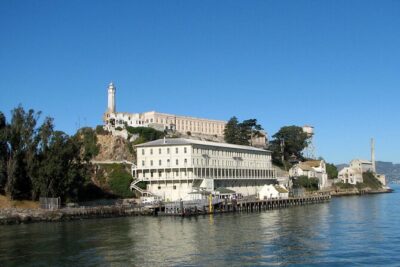
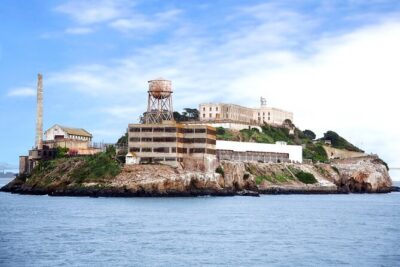
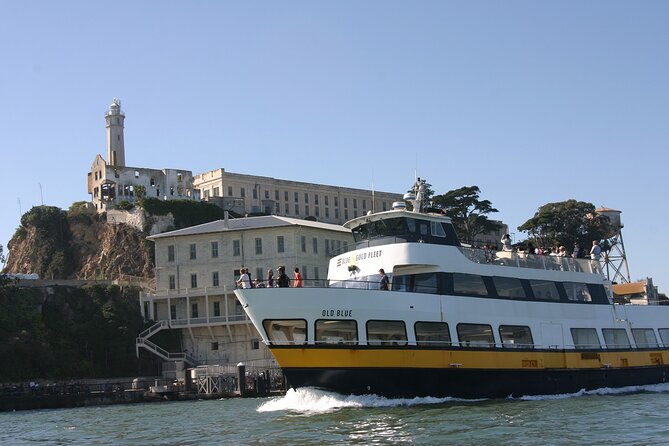
This one goes under the Golden Gate Bridge and then circles Alcatraz, with recorded accounts tied to escape attempts and prison life. Your time is about 1 hour 30 minutes.
If you care about story, this option tends to land well because the cruise frames what you’re seeing with historical context.
San Francisco Bay Cruise (about 1 hour)
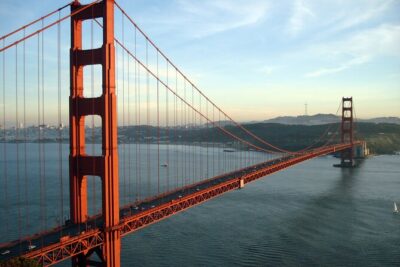
This option is shorter at about 1 hour and covers key waterfront points: sailing under the Golden Gate Bridge, past PIER 39 sea lions, around Alcatraz, and along the city’s waterfront.
I like pairing this with another stop on land if you don’t want your day to vanish into one long boat block.
Stop 7: Walt Disney Family Museum for interactive storytelling

The Walt Disney Family Museum can take you in a different direction than the typical SF museum lineup. Plan around 2 hours. It features about 40,000 square feet of exhibits, plus over 200 video screens and a detailed model of Disneyland.
This works best when you want something lighter than science or modern art, but still structured and worth wandering through slowly.
Stop 8: de Young + Legion of Honor for major art in one ticket
With the Explorer Pass, you get same-day entrance to two fine arts museums: de Young Museum and the Legion of Honor (you visit one of them, but the pass covers access logic for both on the same day).
Plan around 2 hours. This is a nice option when you want art without committing your whole day to one building.
Stop 9: SFMOMA for modern art at museum scale
The San Francisco Museum of Modern Art (SFMOMA) is a top-tier modern art stop, and the pass covers admission for about 3 hours. The museum’s expansion is noted as turning it into the largest museum of its kind in the country, so expect more rooms and more to sort through.
If you like modern art, this is a great “main event” pick. If you don’t, you can still use your time efficiently by targeting a few sections and moving on.
Stop 10: Asian Art Museum for serious depth
The Asian Art Museum is described as one of the largest in the Western world devoted exclusively to Asian art. Plan around 2 hours.
This is the kind of stop where you can come for one area and then accidentally lose time in the best way, if the galleries click with you.
Stop 11: Red and White Fleet Bridge to Bridge cruise for big skyline views
This cruise runs about 90 minutes and connects the Oakland Bay Bridge to the Golden Gate Bridge. It’s a solid choice if you want different bay angles than the shorter San Francisco waterfront loops.
Because it’s longer, it pairs best with a light land day before or after, not a jam-packed museum sprint.
Stop 12: USS Pampanito for submarine history
The USS Pampanito is a World War II Balao class submarine and memorial, listed as a National Historic Landmark. Plan about 1 hour.
This is one of the most “SF-specific” experiences on the list because you’re stepping into a military story in physical form. It’s also a good fit if you like history but want it hands-on rather than only behind glass.
Stop 13: Blazing Saddles all-day comfort bike rental for self-guided SF
If you want freedom, the All-Day Comfort Bike Rental with Blazing Saddles is covered for about 6 hours. The description points to riding bike-friendly streets and waterfront paths.
This is a great way to turn sightseeing into something you control: stop when you see a view, roll back when it’s too steep, and pick your own pacing.
You’ll just want to plan around hills and parking. If you bike, you’re also committing to energy. It’s worth it when you want motion and views instead of museum time.
Stop 14: GoCar GPS storytelling car (reservation required)
The GoCar San Francisco is a GPS guided, talking tour car. It’s about 1 hour and is meant for roaming with guided storytelling as you drive.
Important catch: reservations are required. So treat it like a planned activity, not a last-minute add-on.
This can be a fun option if you want city context without the stress of figuring out routes for every stop.
Stop 15: San Francisco Zoo for wildlife time
The San Francisco Zoo & Gardens is covered for about 3 hours. The pass includes entry to a collection described as more than 2,000 animals across amphibians, birds, invertebrates, mammals, reptiles, and more.
This is a smart family pick. It also works for adults who want a quieter pace and a break from streets and museums.
Stop 16: USS Hornet Museum for aircraft carrier history
The U.S.S. HORNET Museum covers entry to this historic aircraft carrier (CVS 12). Plan around 1 hour 30 minutes.
If you’re into military aviation or ship history, this is one of those “walk around and feel the scale” stops. It’s also a good counterbalance to science museums and art days.
Stop 17: Legoland Discovery Center Bay Area for hands-on play in San Jose
The pass includes Legoland Discovery Center Bay Area, but it’s in nearby San Jose, not San Francisco. Plan about 3 hours.
Expect 10 interactive play areas plus a 4D Cinema, MINILAND, and other themed zones. This is a great “family anchor” when you need indoor entertainment and want something built around kid energy.
Stop 18: The Flyer thrill zone for a short, cinematic ride
The Flyer is described as a flying theater ride launching over the Golden Gate Bridge, through Chinatown, and over the Redwood National Park (as presented in the experience). It’s only about 10 minutes.
Because it’s short, it’s best as a pairing choice. Do it when the rest of your plan needs a quick hit, not as your only major attraction.
Stop 19: Fisherman’s Wharf walking tour for a guided hit of the classics
The Fisherman’s Wharf Walking Tour is about 1 hour, and it covers nearby highlights like Ghirardelli Square, Fisherman’s Wharf, PIER 39, and other waterfront stops.
This is practical when you want local context and a guided route. One tip: if you drive and plan to park around Fisherman’s Wharf, it can get expensive. Budgeting parking helps keep the day from turning into an unplanned cost.
Stop 20: Six Flags Hurricane Harbor Concord for water-park time
The Six Flags Hurricane Harbor Concord is marked as seasonal and is about 3 hours. It’s positioned as the biggest waterpark in Northern California, focused on slide time.
This is the kind of choice that depends on season and weather. If it’s not warm enough, skip it and use the pass for indoor attractions instead.
Reservations, timing, and staying flexible without losing your cool
The big advice is simple: use the digital guide and the Go City app as your planning tool. The data says the most popular activities require advanced reservations, and that you should check instructions so you don’t lose time at the entrance.
In real-world use, this means:
- Lock in reservation-dependent picks early (especially anything with a timed slot)
- Keep one plan flexible when you can, so a late reservation doesn’t wreck your day
- When you see attraction hours or access rules in the app, trust those over assumptions
Also, attractions are subject to change. So if you’re building a tight multi-day schedule, don’t bet everything on one single pick. I like to build a backup pairing: one indoor option and one outdoor option.
If you bought through a third-party channel, double-check which app or ticket system the operator expects you to use. Some people have run into confusion where the pass showed as used in the wrong place, which turned into a headache on the day. The safest approach is to have your Go City pass ready in the way the guide says.
Should you book the Go City San Francisco Explorer Pass?
Book it if:
- You want multiple major SF-area attractions without buying separate tickets
- You like mixing neighborhoods, museums, and bay experiences
- You can handle planning for reservation-requiring attractions
- You’d benefit from a 30-day window instead of squeezing everything into one or two days
Skip it (or consider a different approach) if:
- You’re only interested in one or two items on the list
- You hate booking reservations and want pure walk-up freedom every time
- You don’t want to deal with the reality that some activities require coordination and timing
My bottom line: this pass is best when you treat it like a mini itinerary tool. Choose the attractions that match your mood, group them by area, reserve what needs reserving, and use the remaining days for spontaneous street time. If you do that, it’s a solid way to see San Francisco and the bay’s strongest highlights for one predictable price.
FAQ
How many attractions can I choose with the San Francisco Explorer Pass?
You can select 2, 3, 4, or 5 things to do, depending on the pass you buy.
How long is the Explorer Pass valid?
Your pass is valid for 30 days from when it becomes available for use.
Do I need a physical ticket?
No. You’ll receive a digital pass that you can save to your mobile phone. You can also download or print it at home.
Is the pass usable immediately after purchase?
Yes. The San Francisco Explorer Pass is available as your ticket right after purchase so you can use it for direct entry at participating attractions.
Do I need to make reservations for included attractions?
Some of the most popular activities require advanced reservations. The digital guide and Go City app have the instructions, so check before you go.
Is food included with the pass?
No. Food and drinks are not included, unless an attraction specifically says otherwise.
Is transportation included to and from attractions?
Usually no. Transportation to and from attractions is not included, unless an activity description states otherwise.
What attractions are included in the pass options?
The pass roster includes places like Aquarium of the Bay, California Academy of Sciences, Exploratorium, SFMOMA, Asian Art Museum, cruises with Blue and Gold Fleet and Red and White Fleet, USS Pampanito, USS Hornet, and options like bike rentals and GoCar Tours, plus family choices such as San Francisco Zoo and Legoland Discovery Center Bay Area.
Can I use the pass for attractions outside San Francisco?
Yes. Some included options are in the wider Bay Area, such as Legoland Discovery Center Bay Area in San Jose, and cruise options that involve areas like Oakland. The list is not limited to San Francisco only.
What is the cancellation policy?
The pass is non-refundable and cannot be changed for any reason.