REVIEW · SAN FRANCISCO
Melting Pot of the Mission District Food Tour
Book on Viator →Operated by San Francisco Ghosts By Us Ghost Adventures · Bookable on Viator
Mission District food, with real context. This guided walk is built around five Mission District stops, pairing what’s changing in the neighborhood with what you’re actually eating along the way. I love how the stories connect to places you can see immediately, from the park views to the storefront signs.
I also like that the food portion feels like more than random bites: tacos and gelato land the meal-style rhythm, while stops on gentrification and fair-trade chocolate add meaning without getting preachy. At $93 for about 2h45, it’s not the cheapest way to eat, so you’ll want to book it only if you genuinely want a guide-led route.
In This Review
- Key things to know before you go
- Mission District food tour pricing: is $93 worth it?
- Getting started at Dolores Street & 19th Street (and what time 11:00 means)
- Stop 1: Mission Dolores Park and the neighborhood story you can see
- Stop 2: Bi-Rite Creamery and gentrification you can taste
- The murals-and-landmark stop that connects everything since the city’s early days
- Stop 3: Dandelion Chocolate and fair-trade shopping with purpose
- Stop 4: Taqueria El Buen Sabor and street-food history in action
- Stop 5: La Copa Loca Gelato and the lunch-like ending
- How the guide approach keeps the walk moving and your questions answered
- Group size, pace, and what to bring for 2h45
- Who this tour fits best
- Should you book the Melting Pot of the Mission District Food Tour?
- FAQ
- How much does the Mission District food tour cost?
- What is the tour duration?
- Where do I meet for the tour?
- Is the tour offered in English?
- What’s included, and is alcohol included?
- How large is the group?
- Can I cancel and get a refund?
Key things to know before you go
- Small group size (max 13) keeps the walk from turning into a line of people and lets you ask questions
- Free admission at each stop means no surprise extra entry fees during the tastings
- Five distinct food stops create a true meal arc, not just samples scattered around town
- Neighborhood change is part of the menu with honest context about gentrification and sustainability
- Michael and Melody bring real backstory and time for questions, plus helpful ideas for the rest of your day
Mission District food tour pricing: is $93 worth it?
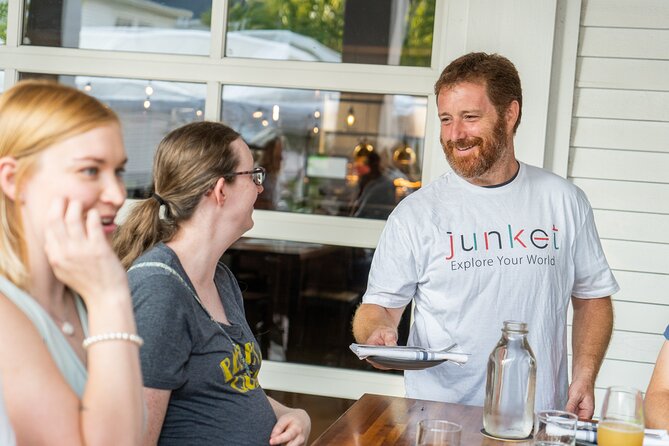
For $93 per person, you’re paying for three things at once: a local guide, a planned route, and food included as part of the experience. Compared to buying items one by one on your own, the value here is that you’re not just chasing good eats. You’re getting a guided explanation of why these places matter now, and how the neighborhood’s shifts show up in the food scene.
The best “cost vs. payoff” clue is this: each stop is listed with admission ticket free, so you’re not stacking extra payments on top of your ticket price. Also, the tour is set up for about 2 hours 45 minutes, which is a solid chunk of time—long enough for multiple tastings, plus time to stand, walk, and talk.
One more practical angle: if you tend to overspend when you’re hungry, this can actually help. You’ll arrive with a plan, and the route is designed to keep you eating as you go instead of wandering and making expensive last-minute decisions.
You can also read our reviews of more food & drink experiences in San Francisco
Getting started at Dolores Street & 19th Street (and what time 11:00 means)
The meeting point is Dolores St & 19th St, San Francisco, CA 94114, and the tour ends back there. It starts at 11:00 am, which matters because it hits a sweet spot: late enough to sleep in a bit, early enough that you can still use the rest of the day afterward without feeling stuffed and stuck.
It’s also close to public transportation, which is a big deal in San Francisco. You don’t want to waste this kind of tour time wrestling with parking. If you’re coming from elsewhere, using transit should keep your head clear for the food and the stories.
You’ll get a mobile ticket, which is convenient if you’re juggling a phone, transit card, and a map. Service animals are allowed too, if that’s part of your planning.
Stop 1: Mission Dolores Park and the neighborhood story you can see
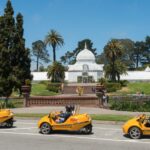
You’ll start at Mission Dolores Park, and the guide kicks things off with the park’s history and how it connects to how the city took shape. This is a smart warm-up stop because the Mission is more than a food crawl. It’s a neighborhood shaped by real people, real change, and real geography—and the park is one of the easiest places to understand that at a glance.
This first segment is about 10 minutes, so you’re not stuck listening forever before your first taste. Instead, it feels like your orientation: why this area developed the way it did, and why the Mission’s identity shows up so strongly in its food.
What I like about starting here is that you get context before you reach the storefronts. By the time you’re later standing in line for tacos or chocolate, you’re more likely to notice the details that make each place part of the larger neighborhood picture.
Stop 2: Bi-Rite Creamery and gentrification you can taste
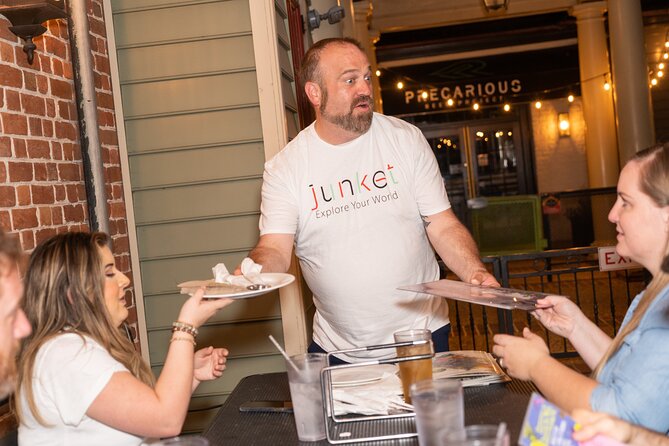
Next comes Bi-Rite Creamery. The guide explains how gentrification is changing the neighborhood’s demographics, and how the food has shifted along with that. This stop is a reminder that food doesn’t exist in a vacuum. Prices, supply, and even local expectations can change when a neighborhood gets new attention.
The time here is about 15 minutes, so you’ll get a quick burst of both tasting and meaning. The main value is perspective: you learn to read the room. Maybe you notice the types of flavors people go for, or how a local brand positions itself now. Either way, you’ll understand the topic without turning it into a lecture.
A small drawback to consider: if you hate any conversation about neighborhood politics or change, this part may feel heavier than the rest. The good news is that it’s tied to what you’re eating and where you are, so it stays grounded.
The murals-and-landmark stop that connects everything since the city’s early days
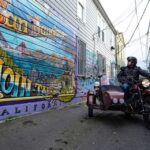
Between the food stops, the tour includes a landmark building stop described as an epicenter since San Francisco’s creation, with breathtaking murals and a guide walking you through the landmark’s history.
We don’t get the building’s specific name here, but the effect is clear: you’re meant to slow down and look. Murals do more than decorate a wall—they mark community memory and often reflect who’s been here, who’s moved on, and what stories the neighborhood still wants told.
This stop also helps the tour avoid the common problem with food walks: becoming a mechanical checklist of purchases. Here, the art and the landmark history reset your attention. You get a mental breath, and the next stop feels less like shopping and more like learning.
You can also read our reviews of more tours and experiences in San Francisco

Stop 3: Dandelion Chocolate and fair-trade shopping with purpose
At Dandelion Chocolate, the guide focuses on the chocolate sustainability movement and why buying local and for fair-trade goods matters. The tour also explains that every ounce of chocolate purchased helps a family in need, which is the kind of detail you can actually feel good about, not just something vague.
This stop is about 20 minutes, and it’s another smart pacing choice. Chocolate works as a mid-route treat because it’s easy to eat, but it still gives your brain time to process the theme of the tour: the neighborhood’s changes, and how local businesses respond.
A practical tip for you: if you’re picky about sweetness levels, take a moment to decide what you want to do with this stop. You don’t want to end up with a flavor that’s too heavy for you so early—because the next stop is tacos, and you’ll still want to enjoy everything that follows.
Also, this stop sets up a broader mindset for the rest of the tour: you’re not just buying food, you’re seeing how choices can support certain kinds of impact.
Stop 4: Taqueria El Buen Sabor and street-food history in action
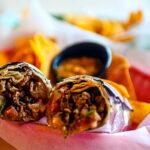
Then you’re at Taqueria El Buen Sabor, a mom-and-pop tacoeria known for authentic Mexican street food. The guide shares how it has hosted celebrity chefs and explains the dish’s history—specifically how Mexican street food gained popularity in the United States.
This is the tour’s longest stop at about 30 minutes, and it makes sense. Tacos aren’t something you rush. You need time to order, eat, and talk about what you’re tasting. The added benefit is that the guide uses this stop to connect food style with migration and cultural exchange—how flavors travel, get adapted, and still keep their identity.
If you’re used to ordering “safe” tacos when you travel, this is the moment to loosen your grip. The tour format encourages you to try what’s popular there, not what you can find at home.
Stop 5: La Copa Loca Gelato and the lunch-like ending
The final stop is La Copa Loca Gelato, and this is where the tour’s “food arc” really comes together. The guide explains how the gelato stand is making a difference for the community, and this is also where food is included in the tour. The tour description frames it as lunch-sized: all tastes equal a good lunch, so come hungry.
This stop lasts about 20 minutes, and it’s a great closer because you’re finishing with something fun, not something heavy. After tacos and chocolate, gelato feels like a reset.
For your own planning, here’s what helps: don’t schedule a big meal immediately afterward. The tour is designed so the tastings land like a meal. If you do book dinner plans right after, you might want something light, like coffee and a snack, rather than a full sit-down feast.
How the guide approach keeps the walk moving and your questions answered
This tour is led by San Francisco Ghosts By Us Ghost Adventures. But what really matters while you’re walking is the guide dynamic. From the experience’s feedback, the standout pattern is clear: guides keep things moving, share history with examples, and make time to answer questions.
In particular, Michael is noted for being informative about local history and for taking time to respond. There’s also mention of Melody as a helper who shares lots about the Mission District and other parts of San Francisco.
That two-voice setup is more than just friendly. It helps the tour feel like a conversation instead of a one-way explanation. If you ask about neighborhoods, food culture, or what to do next, you’re more likely to get practical answers instead of a quick brush-off.
And those follow-up tips matter. One of the most useful things you can get after a food tour is guidance for the rest of your day—what to see, where to walk, and what to skip so you don’t waste time.
Group size, pace, and what to bring for 2h45
With a maximum of 13 travelers, the pace usually stays manageable. Smaller groups help because you don’t spend most of your time stuck waiting behind a crowd. That means you get more time for tasting and more time listening instead of just standing in line.
The tour is about 2 hours 45 minutes, so plan for steady walking and short stops. Wear comfortable shoes; the Mission has sidewalks that can feel uneven, and you’ll appreciate support more than you’d expect.
What to bring:
- A water bottle if you tend to get thirsty while walking
- A light layer for foggy pockets, since San Francisco weather can shift fast
- Your appetite. This is a come hungry kind of tour, especially because gelato is included at the end
Because it’s near public transportation, you can also treat the tour like your anchor event and build the rest of your day around it.
Who this tour fits best
This experience is a good match if you’re visiting the Mission for the first time and want the food to come with context. It’s also ideal if you like when history is tied to real places, not just dates and facts. Starting at Dolores Park and ending at gelato gives you a clear arc: you learn, taste, and then leave with a better sense of why the neighborhood looks and eats the way it does.
It also works well for travelers who ask questions. The guide style described here suggests you won’t get rushed out of your curiosities.
You might also enjoy it if you care about impact, since there’s explicit attention to fair-trade purchasing and sustainability in the chocolate stop. If you’re the kind of person who likes to understand the bigger picture behind a product, this tour keeps you engaged.
If you’re on a tight budget and want the cheapest way to eat in San Francisco, this one may feel like a splurge. But if you want guided value—food plus meaning—this is the setup.
Should you book the Melting Pot of the Mission District Food Tour?
I’d book it if you want a Mission experience that feels like a guided route through the neighborhood’s identity, not just a series of places to buy food. The best reasons are the mix of food plus neighborhood context, the smaller max 13 group size, and a guide approach that includes time for questions.
Skip it if you prefer to wander independently, or if you don’t want any conversation about neighborhood change, since gentrification is part of the tour narrative. Also consider the price: $93 makes sense when you value guide-led structure and don’t want to plan tastings yourself.
Overall, this is a strong pick for food lovers who like their sightseeing with a story attached.
FAQ
How much does the Mission District food tour cost?
It costs $93.00 per person.
What is the tour duration?
The tour runs about 2 hours 45 minutes.
Where do I meet for the tour?
The meeting point is Dolores Street & 19th Street (Dolores St & 19th St, San Francisco, CA 94114, USA). The tour ends back at the meeting point.
Is the tour offered in English?
Yes, it’s offered in English.
What’s included, and is alcohol included?
The tour includes a local guide, well-researched history, and outstanding local foods. Food is included, and alcoholic drinks are not included.
How large is the group?
The tour has a maximum of 13 travelers.
Can I cancel and get a refund?
Yes. You can cancel up to 24 hours in advance for a full refund. If you cancel less than 24 hours before the start time, the amount you paid is not refunded.