REVIEW · OAKLAND
Guided Wine Tasting at Berkeley Wineries with Local Sommelière
Book on Viator →Operated by Bacchus Loves the Hills · Bookable on Viator
Berkeley wine tasting hits different when it’s city-made. This guided 3-hour experience takes you to renowned urban wineries with a local sommelier, then helps you taste with confidence instead of guessing. You’ll learn what matters in each pour—farming choices, how vintages shift flavor, and what traditional winemaking really changes in the glass—and you’ll have a chance to ask even the basic questions.
What I like most is the small group size (max 6), which makes it feel like a real conversation, not a class where you stay quiet. The other big plus is how Elisabeth, a local guide and sommelier, brings the wine talk down to earth so you can discuss it later with a restaurant sommelier. One thing to plan for: Berkeley nights get chilly, and the wineries are open air and/or well ventilated, so bring a jacket if you get cold easily.
In This Review
- Key Highlights You’ll Actually Feel on This Tour
- Berkeley Urban Wineries, Not Just Another Wine Trip
- Your First Hour: The Donkey & Goat Winery Start and Flight Basics
- Second Winery Hour: Where the Wine Vocabulary Becomes Useful
- Snacks, Ventilation, and Dog-Friendly Berkeley Comfort
- Is It Worth It for Beginners? Yes, That’s the Point
- Where This Tour Fits Best in Your Bay Area Plans
- Should You Book This Guided Wine Tasting With Elisabeth?
- FAQ
- How long is the guided wine tasting?
- Where does the tour start and end?
- How many wineries do you visit?
- What’s included in the tour?
- Do I need to know anything about wine ahead of time?
- Is the tour dog friendly?
- What if the weather is poor or I need to cancel?
Key Highlights You’ll Actually Feel on This Tour
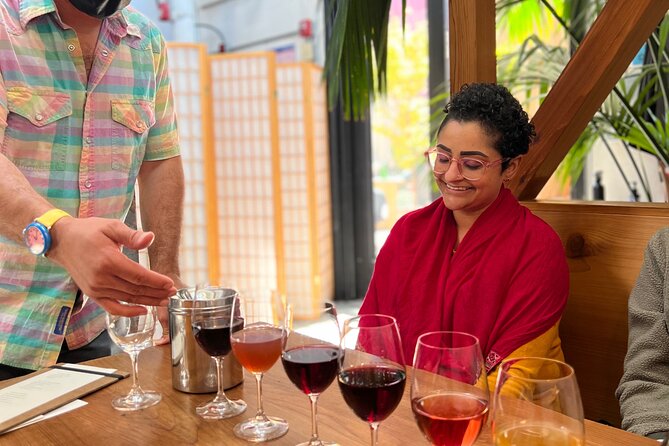
- Max 6 guests keeps the pacing relaxed and questions welcomed
- About an hour per winery with a flight so you taste with context, not chaos
- Farming, vintage variation, and traditional winemaking explained in plain language
- Snacks included, plus vegetarian-friendly options
- Open air and good ventilation, and the tour is dog friendly
- You start at Donkey & Goat Winery and finish back at the same place
Berkeley Urban Wineries, Not Just Another Wine Trip
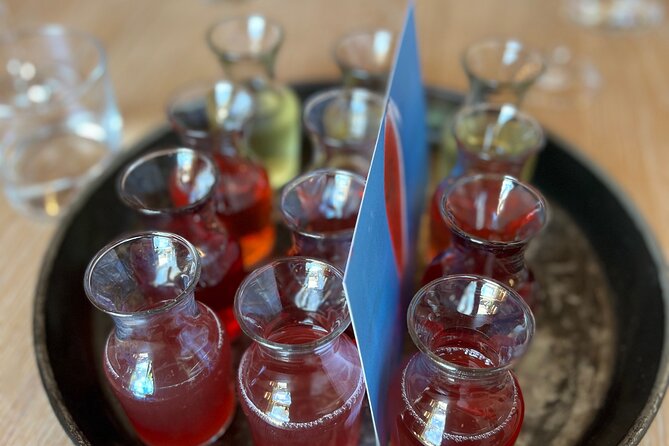
If you think you need Napa to learn about serious wine, this tour gently proves otherwise. Berkeley has an urban winery scene that feels closer to real life—no long bus rides, no stuffy vibe—just thoughtful winemaking and a friendly guide to help you taste with purpose.
The core promise is learning how to appreciate the nuances of wine. You’re not only sampling; you’re building a simple wine vocabulary you can use later. That matters, because the hardest part for many people isn’t liking or disliking wine—it’s trying to describe why without sounding clueless.
I also like that the approach is question-friendly. The guide sets the tone that no question is too basic, whether you’re wondering how vintage changes taste or what winemaking choices mean in a glass. That kind of comfort makes the whole experience more fun, especially if you’re bringing a friend who usually avoids wine education.
There’s one small tradeoff. The wineries you visit are open air and/or well ventilated, and that means you’re outdoors more than you might expect. In Berkeley, the “it’s fine in the afternoon” weather can turn on you after sunset, so plan for a chill evening.
You can also read our reviews of more food & drink experiences in Oakland
Your First Hour: The Donkey & Goat Winery Start and Flight Basics
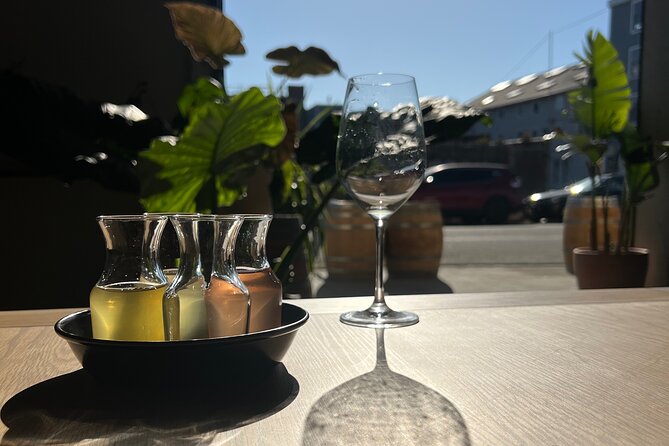
The tour starts at Donkey & Goat Winery at 1340 Fifth St, Berkeley. From there, you’ll settle in for the first tasting, where the whole point is to taste a flight and learn what you’re noticing.
In a good guided tasting, you don’t just get the wine names. You learn the “what to look for” routine. Expect to talk through things like how grapes grow (yes, farming choices show up later), what vintage variation means, and how traditional winemaking practices can shape the final flavor.
Because this is a small group, the guide can tailor the pace. If you’re a total beginner, you’ll get a straightforward path to understand terms without drowning in jargon. If you already know the basics, you can ask follow-ups and compare what you’re tasting to what you’ve heard before.
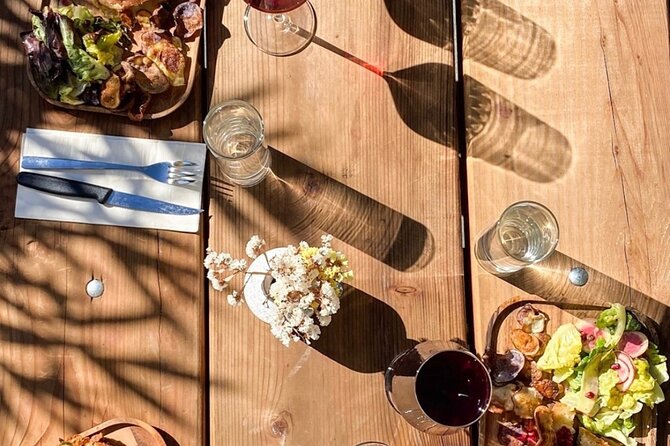
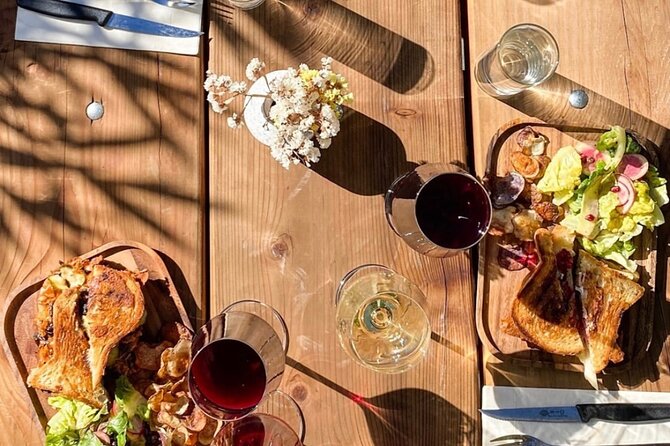
Snacks are included here as well, which is a big deal. Wine tastes different with food, and the snacks help keep your palate fresh. If you’re vegetarian, you’re covered too, so you won’t spend the evening quietly hungry while everyone else snacks.
Practical note: you should be ready to stand and move a bit. These are urban wineries, not huge indoor estates, and the tasting experience works best when you’re comfortable lingering and comparing notes as the guide talks.
Second Winery Hour: Where the Wine Vocabulary Becomes Useful
After the first stop, the tour continues to a second Berkeley winery for another round—about an hour with a flight of their wines. The second tasting is where the learning starts clicking for many people, because you’ve already been taught the framework during the first flight.
This is also where the guide’s style really shows. Elisabeth’s focus seems built around making you comfortable speaking about wine. The goal isn’t to memorize a list of terms; it’s to gain the lexicon you can actually use later. You’ll likely find yourself thinking, Oh, that’s what I’m tasting, and being able to explain it in a way that sounds normal to other wine folks.
You’ll keep touching on the same big themes, like how farming decisions can influence what a wine expresses. Then you connect that to what the vintage does—how one year’s conditions can nudge flavor and structure. It’s a simple storyline, but it works, because it ties the tasting to real choices people made far earlier in the process.
Traditional winemaking practices are a major thread too. You’ll hear how different methods can change texture, balance, and overall character. Even if you don’t become a winemaking nerd overnight, you’ll leave with a more sensible way to compare wines.
If you enjoy talking with guides, this part can feel especially rewarding. The tour encourages questions that range from basic to surprisingly specific, so you can go as slow or as nerdy as you want—without feeling judged.
And again, ventilation matters. Since the venues are open air and/or well ventilated, dress for comfort. If you’re sensitive to cold, that jacket becomes a real-life lifesaver.
Snacks, Ventilation, and Dog-Friendly Berkeley Comfort
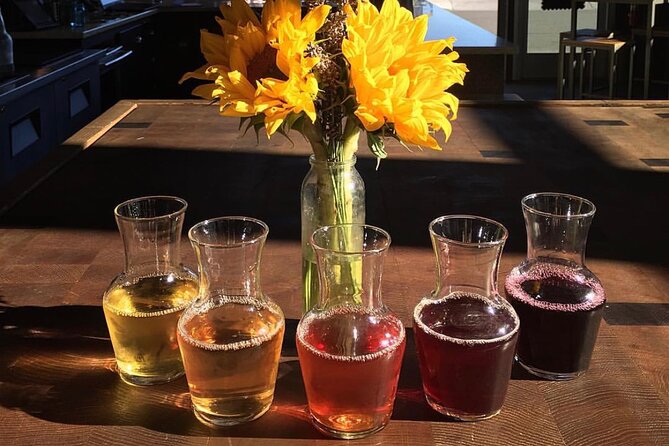
Wine tours often forget one thing: comfort. This one doesn’t. Snacks are included, and vegetarians are welcome, so you’re not forced into the classic tour problem—sip-sip-sip while feeling a bit wrecked.
The dog-friendly detail is also worth flagging. If you’re traveling with a dog, it can be hard to find wine experiences that aren’t strict no-pets-only-bottles. Here, the tour is set up to include dogs, and the open-air vibe makes that easier.
Ventilation is another practical win. Since the wineries you visit are open air and/or have great ventilation, you can breathe easy. For many people, that makes the tasting feel less like a crowded indoor event and more like a relaxed neighborhood hangout with good drinks.
If you’re the type who runs cold easily, plan ahead. Berkeley evenings can shift fast, and you’ll be outside more than you’d expect from the word tasting. Bring layers, and consider closed-toe shoes, since you’ll be on your feet and moving between spots.
Is It Worth It for Beginners? Yes, That’s the Point
This tour is especially good if you want to stop feeling intimidated by wine conversations. The guide explicitly aims to make wine talk accessible, with no question too basic. That’s the difference between tastings that feel like tests and tastings that feel like guidance.
Here’s how you’ll benefit as a beginner. You’ll learn what people mean when they talk about taste nuance, not just what to call it. You’ll start connecting your impressions to a simple set of ideas: grape growth, vintage changes, and how winemaking choices show up in the glass.
Then you get a practical confidence boost. The end goal isn’t just tasting. It’s being able to hold a conversation with a sommelier at a restaurant, because you’ll have a shared vocabulary and a more accurate way to describe your preferences.
Couples like it because the pacing is relaxed and the max group size helps it feel personal. Friends like it because it’s fun, social, and you get to compare notes on the same wines. Solo travelers like it because the guide makes space for questions and keeps the evening moving without leaving you stranded in silence.
If you’re already into wine, you’ll still find it useful. The tour themes cover real drivers of flavor, and you can ask follow-ups that match your level. It’s not a one-size-fits-all lecture.
You can also read our reviews of more guided tours in Oakland

Where This Tour Fits Best in Your Bay Area Plans
This is a smart choice if you have a few hours in the Bay and want something more local than the typical big-name wine route. Berkeley’s urban winery scene feels built for an afternoon that combines tasting with a sense of place.
It’s also great if you want to explore wine beyond the usual talking points. The experience encourages learning wine from outside the classic Napa frame, which helps you broaden what you think “California wine” means. That can change how you shop later too, because you start making decisions based on understanding, not just reputation.
The tour runs about 3 hours, so it fits cleanly into an itinerary. You’ll start at Donkey & Goat Winery and end back at the same meeting point, which makes planning dinner simpler. Since it’s near public transportation, you’re not locked into a car plan either.
One more small but meaningful detail: the tour uses a mobile ticket. That reduces last-minute friction, especially if your day in the city has already been busy.
Should You Book This Guided Wine Tasting With Elisabeth?
I’d book this if you want a guided tasting that focuses on understanding, not intimidation. The strongest reason is the teaching approach: small group, question-friendly, and centered on wine vocabulary you can use later. Add included snacks, vegetarian welcome, and open-air comfort, and you’ve got a well-rounded evening.
I’d think twice only if you hate cool weather or you need everything indoor and climate controlled. Because the wineries are open air and/or well ventilated, you’ll want layers. Also, if you’re looking for a high-speed “see everything” checklist, this is more about tasting deeply with guidance than racing from place to place.
If your goal is to leave knowing what you like and being able to explain it—this tour is set up for that.
FAQ
How long is the guided wine tasting?
It lasts about 3 hours.
Where does the tour start and end?
It starts at Donkey & Goat Winery, 1340 Fifth St, Berkeley, CA 94710, and ends back at the same meeting point.
How many wineries do you visit?
You’ll spend about an hour at each winery you visit, tasting through a flight of wines at each stop.
What’s included in the tour?
You get alcoholic beverages for guests age 21+ and snacks. Vegetarian options are welcome.
Do I need to know anything about wine ahead of time?
No. The guide is there to teach you how to appreciate wine nuances and build a basic lexicon. No question is too basic.
Is the tour dog friendly?
Yes, the wineries you visit are dog friendly.
What if the weather is poor or I need to cancel?
The experience requires good weather. If it’s canceled due to poor weather, you’ll be offered a different date or a full refund. If you cancel, the experience is non-refundable and cannot be changed.