REVIEW · SAN FRANCISCO
San Francisco: Chinatown Dim Sum and Tea Tour
Book on GetYourGuide →Operated by Stretchy Pants · Bookable on GetYourGuide
Dim sum here is more than a snack. This Chinatown food-and-tea tour layers a full meal with stops most people miss on their own, then ends with a guided tea tasting that actually explains what you’re tasting. I especially like the pairing of dim sum plus the tea lesson, because it turns dinner into a story you can taste.
One thing to think about: at $99 for 3 hours, it’s not a “budget bite” tour. If you’re not that into tea (or you tend to fill up before the duck and dessert), it may feel a bit pricey—one guest flagged that exact concern.
Key takeaways
- Small group of 10 or fewer so you can ask questions and keep a steady walking pace
- Fortune cookie factory visit where you can watch cookies being made and sample them fresh
- A full meal is included: dim sum, bubble tea, Peking duck, and dessert, plus soft drinks
- Hidden alleyways on foot with specific Chinatown lore like old sailor/gambling connections and 10-cent haircuts
- Tea tasting finale focused on Chinese tea culture, not just ordering something sweet
In This Review
- A 3-hour Chinatown crawl that starts at House of Dim Sum
- Dim sum kickoff: your first lesson is how to eat Chinatown
- Fortune cookie factory: watch the cookies, then read your luck
- Bubble tea plus hidden alleyways you’ll actually remember
- Heritage bakery, a 1906-surviving church, and Gold Rush echoes
- Peking duck, dessert, and a weather-smart eating plan
- Tea tasting finale: learning Chinese tea culture by tasting it
- Price and what $99 buys in time, food, and guidance
- Who this Chinatown dim sum and tea tour is really for
- Should you book this dim sum and tea tour?
- FAQ
- Where does the tour start?
- How long is the tour?
- How much does it cost?
- What’s included in the meal?
- Do I get tea tasting included?
- Is alcohol included?
- How big is the group?
- Is it good for kids?
- Are pets allowed?
- Is the tour wheelchair accessible?
A 3-hour Chinatown crawl that starts at House of Dim Sum
The tour meets outside House of Dim Sum, which is a convenient anchor in a part of the city that can feel maze-like. From there, you’ll spend about 3 hours walking and eating through San Francisco’s oldest Chinatown core, with a small group capped at 10 participants.
This is the kind of tour where logistics matter because you’re tasting multiple things. If you’ve ever done a “hop-on, hop-off” day and then realized you didn’t learn much, this format fixes that. You’re moving, yes, but every stop is tied to food and culture—so the streets feel less random.
Also, the tour is English-speaking with a live guide, and it’s wheelchair accessible. Pets aren’t allowed, so plan for that if you’re bringing a companion animal.
Dim sum kickoff: your first lesson is how to eat Chinatown
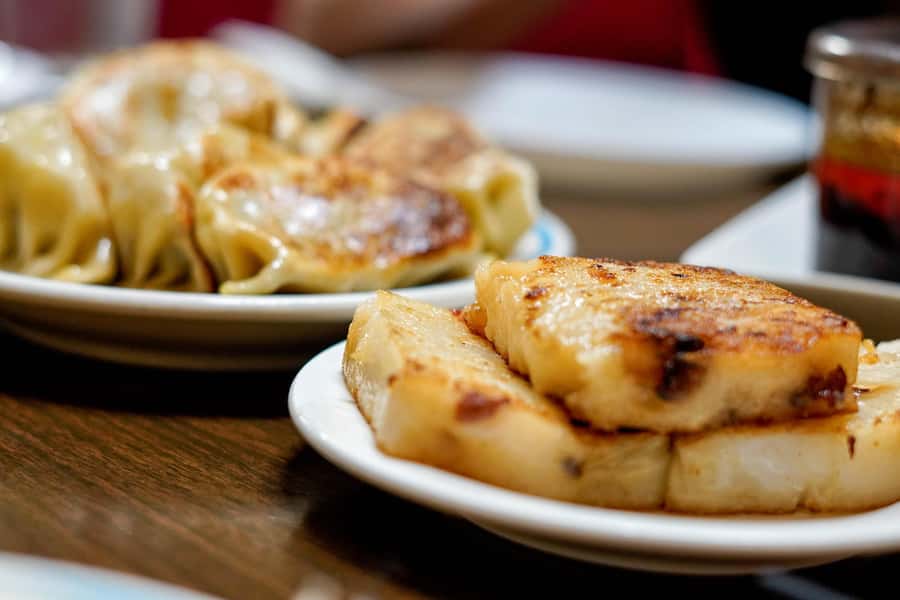
You begin with a dim sum feast, the kind of meal where the most fun is how many small plates you get to try. The tour frames dim sum as a window into Chinatown’s story in America—so instead of just grabbing plates, you learn how Chinatown evolved and why food became part of its public identity.
Here’s what I like about this approach: dim sum trains your palate quickly. You’ll likely go from mild and savory to richer bites without it feeling like one endless course. It sets you up for the next stops too, because Chinatown’s flavors shift stop-to-stop.
Practical note: dim sum can be filling fast. If you want to taste everything later (bubble tea, duck, dessert, then tea), I’d pace yourself early. Take a smaller bite on the first few items, then let your appetite catch up once you’re warmed up.
You can also read our reviews of more tours and experiences in San Francisco.
Fortune cookie factory: watch the cookies, then read your luck
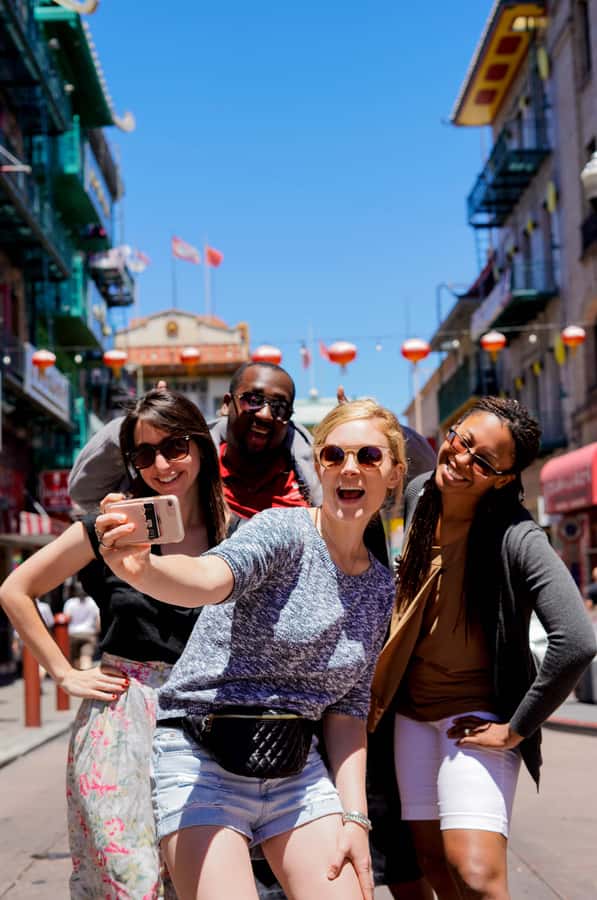
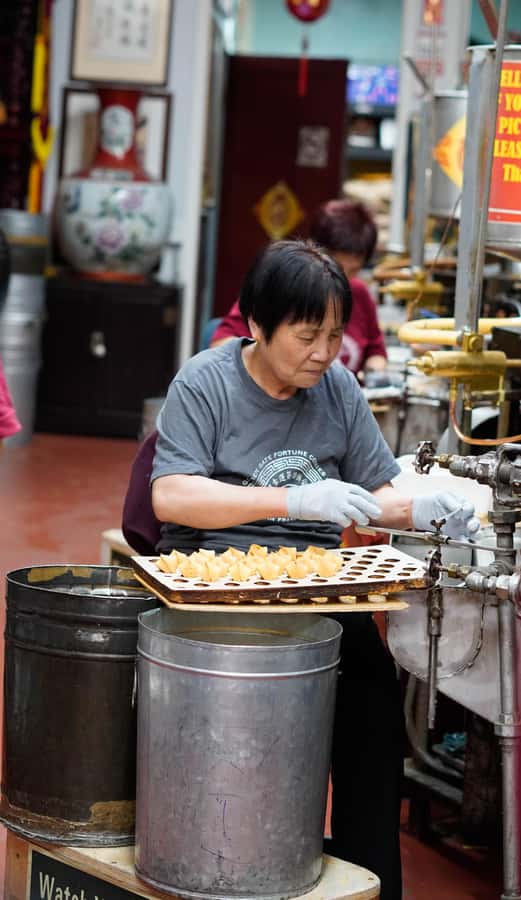
Next up is a fortune cookie factory visit, and the tour highlights it as the first fortune cookie factory in the world. That matters, because the cookie isn’t just a novelty—part of the appeal is that you see it made right in the place where the tradition was born.
You’ll watch the cookies being crafted and get to sample them fresh. Fresh cookies hit differently than the packaged kind: the texture is crisp, and the flavor is cleaner. And because the cookie comes with that fortune slip, it’s a built-in moment of lighthearted surprise in the middle of a meal-heavy day.
Don’t overthink it. Even if you don’t put much faith in fortune cookies, it’s a solid cultural add-on that breaks the rhythm of eating. It also gives you something visual to pay attention to while you’re learning about Chinatown’s history.
Bubble tea plus hidden alleyways you’ll actually remember
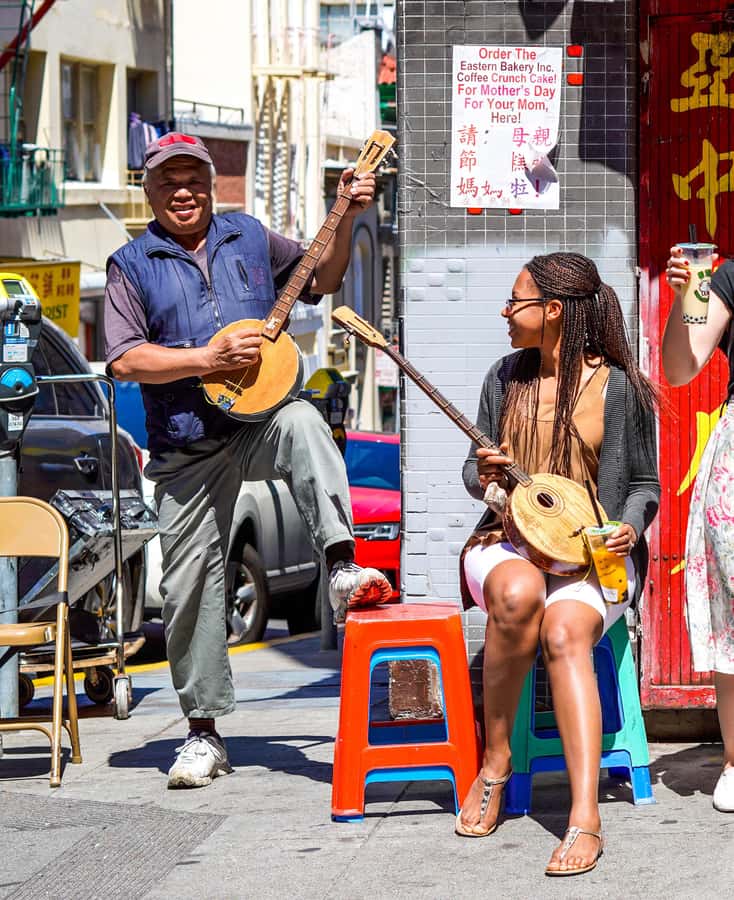
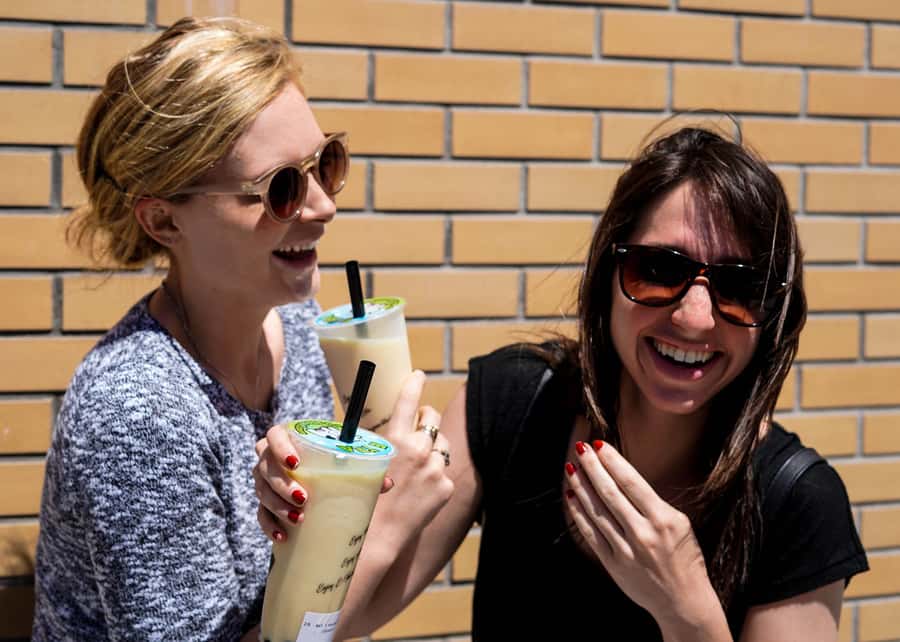
With a bubble tea in hand, you head into Chinatown’s hidden alleyways. This is where the tour leans into walking with purpose: not just “see the sights,” but “notice the details.”
The alleyway stories are specific. You’ll hear about old connections like gambling halls and sailors, plus colorful details like 10-cent haircuts. Those examples give the area context beyond restaurants and gift shops. You start to see how Chinatown functioned as a place of work, entertainment, and reinvention—not only as a destination.
I also like that bubble tea is a natural pace-setter. During a 3-hour tour, you want breaks that feel like part of the plan, not random standstills. Slurping as you walk keeps things easy.
If you’re sensitive to crowds or narrow sidewalks, come expecting a bit of squeeze in Chinatown streets. The tour group stays small, but you’re still in a neighborhood that attracts foot traffic.
Heritage bakery, a 1906-surviving church, and Gold Rush echoes
Then you move to a historic, family-owned bakery for a classic Chinese pastry. This is one of those “pause and pay attention” stops, because the goal isn’t just to eat—it’s to connect food to place.
Along the walk, you’ll also admire a resilient church that survived the 1906 earthquake. You’ll then pause at a park that once served as a gathering place during the Gold Rush. Even without long speeches, those landmarks do real work. They remind you that Chinatown didn’t appear out of thin air; it grew through repeated waves of hardship, rebuilding, and community life.
This part of the tour can be especially good if you like travel that feels grounded. You’re not just consuming; you’re noticing architecture, landmarks, and the timing of major events. That context makes the next food stop feel more meaningful instead of like another plate on a checklist.
Peking duck, dessert, and a weather-smart eating plan
After the bakery, the tour shifts to more savory eating. Depending on the weather, you’ll either enjoy a picnic in the park or sit down in a cozy local eatery. Either way, you’re continuing the meal with more items—think savory rolls and roasted specialties, plus Peking duck and dessert as part of the included spread.
That weather-dependent choice is practical. Chinatown weather can shift quickly, and this keeps you from being stuck in an uncomfortable situation. If the park works, you’ll get a change of scenery without losing the “day outside” feeling. If not, the cozy indoor option keeps the tour smooth and lets you keep tasting.
One more tip: duck is rich. If you’ve been snacking aggressively, you may want to slow down with dim sum earlier so duck and dessert don’t become “survive to the finish” food. If you’re the type who loves tasting, you’ll enjoy the variety here.
This is also where the best review feedback lines up. People praised the way the tour delivers the whole range—from dim sum and baked goods to tea tasting—without turning into a frantic sprint.





Tea tasting finale: learning Chinese tea culture by tasting it
You end at a nostalgic tea shop, where the vibe is quieter and slower. The tea tasting is the tour’s signature educational moment: tea is treated as an art, not just a beverage you order to cool off.
The tour’s framing is what makes this stop feel different. You’ll sip and slurp, and you’ll learn about the traditions and significance of tea in Chinese culture. It’s not presented as a formal classroom, but you do come away with a clearer sense of what you’re tasting and why it matters.
This is the part that consistently gets praised most. One verified guest specifically called out the tea tasting as the highlight and said they learned a lot. Another guest also enjoyed the tea tasting and described the whole experience as a strong mix of food and Chinatown context.
My practical advice: treat this finale like the last chapter of a book. By the time you reach the tea shop, you’ve already learned about the neighborhood through food stops. So don’t rush it. Take your time, ask questions if your guide invites it, and pay attention to how the flavors change from cup to cup.
Price and what $99 buys in time, food, and guidance
At $99 per person for 3 hours, this tour isn’t trying to be the cheapest way to eat in Chinatown. You’re paying for three things at once:
1) A full included meal (dim sum, bubble tea, Peking duck, dessert, plus soft drinks)
2) Two specific attraction-style stops (fortune cookie factory and tea shop tasting)
3) Small-group guided walking that links food to the neighborhood’s story
If your goal is only to eat, you could do it on your own for less. But if you want the “what is this, why does it exist, how do I order it, what should I notice as I walk” part, the guide turns time into value.
That said, one guest felt the experience was a little expensive for what you get. I get that viewpoint if you’re a light eater or if tea isn’t your thing. This tour fits best when you like structured food sampling and you want context without having to research every stop yourself.
Who this Chinatown dim sum and tea tour is really for
I’d point you here if:
- you love food tours that don’t feel like random restaurant hopping
- you want a tea tasting with cultural context, not just a drink
- you enjoy small groups and a walking pace that lets you actually look around
- you’re curious about how Chinatown’s history connects to everyday life and food
It’s also a good fit if you’re short on time. Three hours is enough to get a full meal plus two standout culture stops—fortune cookies and tea—without eating your whole day.
Who might skip it:
- If you’re traveling with children under 7, this tour isn’t recommended. Kids under 2 are free, but for children over that age you’ll need a full ticket and no kids meals are mentioned.
- If you only want one or two bites, you’ll probably end up paying for dishes you don’t fully use.
One more note: the tour is not for alcoholic drinks—alcohol isn’t included—so plan on soft drinks if you want something besides tea.
Should you book this dim sum and tea tour?
Book it if you want Chinatown to feel guided, tasty, and understandable in a short window. This tour earns its place by delivering a full meal, a fortune cookie factory experience, and a tea tasting that people consistently call the highlight.
Skip it if $99 feels too steep for your style. If you’re the type who prefers wandering at your own pace, or you don’t care much about tea culture, you might get more value from building your own food crawl.
FAQ
Where does the tour start?
The guide meets outside House of Dim Sum.
How long is the tour?
The tour runs for 3 hours.
How much does it cost?
The price is $99 per person.
What’s included in the meal?
You get a full meal including dim sum, bubble tea, Peking duck, dessert, plus soft drinks.
Do I get tea tasting included?
Yes. Tea tasting is included as part of the tour, and it’s offered at the end of the experience.
Is alcohol included?
No. Alcoholic drinks are not included.
How big is the group?
It’s a small group limited to 10 participants or fewer.
Is it good for kids?
It’s not suitable for children under 7. Children under 2 are free, but children over 7 require a full ticket, and no kids meals are mentioned.
Are pets allowed?
No, pets are not allowed.
Is the tour wheelchair accessible?
The tour is described as wheelchair accessible.