REVIEW · SAN FRANCISCO
San Francisco: Half-Day Tour by Cable Car & Foot
Book on GetYourGuide →Operated by Real San Francisco Tours · Bookable on GetYourGuide
A ride on a San Francisco cable car teaches you fast. I love how this half-day tour mixes two cable car rides with hands-on neighborhood storytelling, and I especially liked the way the guide handled the city’s big turning points as you move block by block. One drawback to plan around: you’ll climb hills and take steps on foot, and it’s not set up for mobility limits.
You’re also not just checking boxes. You’ll start at the Embarcadero, roll up to Gold Rush-era Nob Hill, get inside San Francisco City Hall if it’s available, then head to the Castro and down toward the Mission and Haight-Ashbury for lunch-friendly timing. If you’re cold easily, bring thermal clothing and dress for wind.
In This Review
- Key things to know before you go
- Cable Car Meets the Real SF Plan
- Where the tour starts: Embarcadero and the California Line
- Nob Hill first: Gold Rush mansions and big-city views
- Hayes Valley to City Hall: where the route turns “landmark”
- Castro by historic streetcar: more than a neighborhood name
- Mission District and Mission Dolores Park: a quick reset between scenes
- Haight-Ashbury: murals, Summer of Love energy, and lunch timing
- How the 4 hours actually feel (and how to dress for it)
- What you get for $100: value in transit, guides, and access
- Who this tour is best for
- Should you book the San Francisco Cable Car and Foot half-day tour?
- FAQ
- How long is the tour?
- Where do I meet the guide?
- Does the tour include cable cars and a historic streetcar?
- What stops are included during the tour?
- Is City Hall included?
- Is this tour suitable for kids or people with mobility issues?
Key things to know before you go
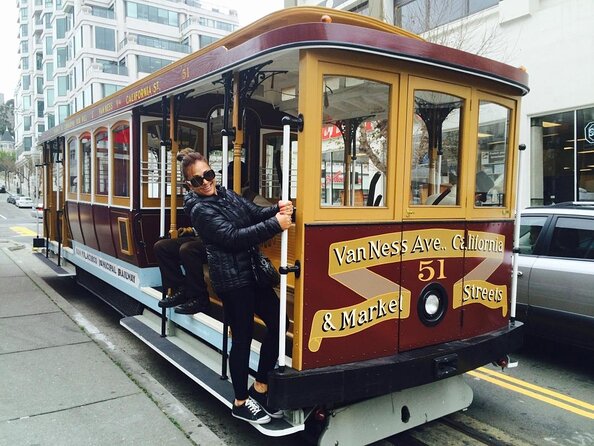
- Two cable car rides (when operations allow), plus a historic streetcar/rail segment if possible
- City Hall inside (Mon–Fri, when possible) or the Cable Car Museum on weekends
- Castro and LGBTQ+ history context, paired with guided time near the area’s landmarks
- Mission District + Mission Dolores Park viewpoint time, good for a breather
- Haight-Ashbury ends right where you can eat, after the guided neighborhood walk
- Real city travel included (bus/coach and transit between stops)
Cable Car Meets the Real SF Plan
This tour is built for people who want San Francisco to make sense quickly. Instead of long bus rides or one-stop photo sprees, it strings together a logical route: downtown energy, hill neighborhoods, then cultural districts, then the area you’ll likely want to explore longer after the tour.
The value isn’t just that you see famous places. It’s that you travel like a local would—on the city’s transit system—with a guide who explains what you’re looking at. I found that the guide had the calm, explanatory style of a docent, with stops that felt timed so you could absorb the setting before moving on.
You can also read our reviews of more tours and experiences in San Francisco



Where the tour starts: Embarcadero and the California Line
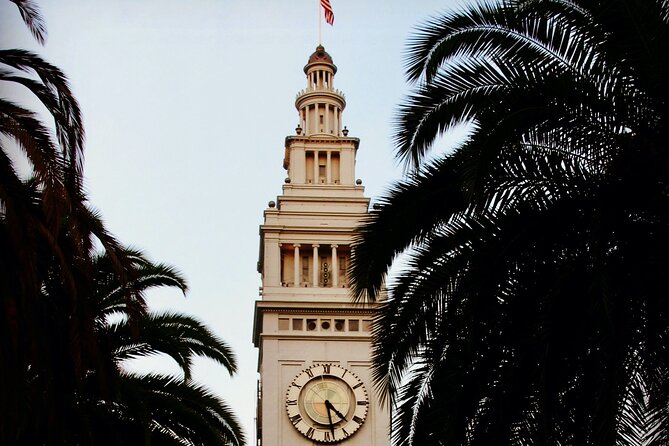
You meet your guide at the CALIFORNIA LINE CABLE CAR STATION on the Embarcadero, by the Robert Frost plaque. Getting there matters. The tour is running on transit schedules and a walking route that includes hills, so you’ll want to arrive 10 to 15 minutes early to get counted and on your way.
From the start, you’re in the right headspace. The Embarcadero location is practical because it places you near where cable car service lines begin, and it also sets up the morning’s “ride and learn” rhythm. You’re not spending half the tour getting started—you’re already in the thick of SF’s classic transportation.
Nob Hill first: Gold Rush mansions and big-city views
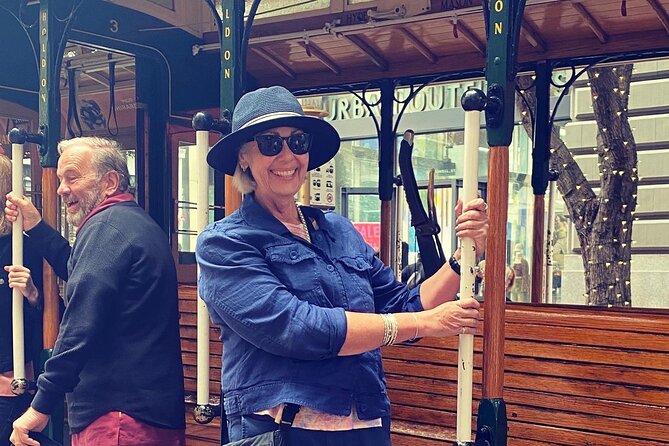
Your first major neighborhood stop is Nob Hill, guided for about 30 minutes. This is where SF’s hills feel like part of the city’s identity. The scenery and architecture aren’t just pretty backgrounds; they’re tied to how SF grew, and the tour keeps that story in focus as you move around.
You also take a cable car ride up and out of the downtown area. This isn’t one quick photo moment. The ride itself is a teaching tool: you can look out at how the streets fold uphill, and you start to understand why cable cars became so essential here.
What to watch for: Nob Hill is steep, and the tour includes walking. Even if you’re comfortable walking normally, this route can feel like more because of the incline and the steps you’ll encounter later.
Hayes Valley to City Hall: where the route turns “landmark”
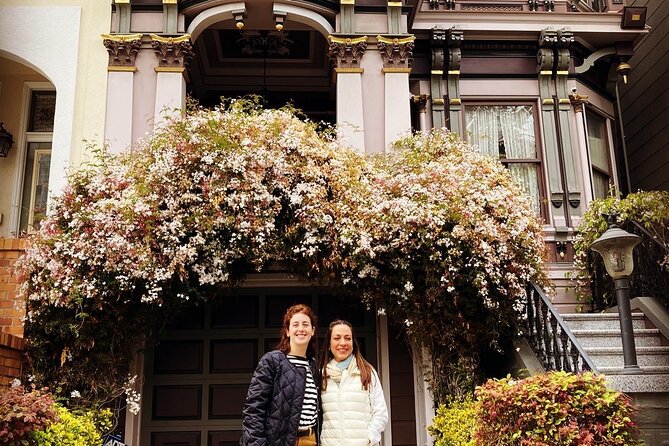
After Nob Hill, the tour continues with more transit segments and a guided stop at Hayes Valley (about 30 minutes). Hayes Valley is a good change of pace. It’s a different look from the mansion hillside and helps you connect what you saw earlier with the rest of the city’s layout.
Then comes one of the biggest payoffs in the itinerary: San Francisco City Hall (Mon–Fri, if possible). You go inside, and that alone makes the tour feel more substantial than a pure street-corner stroll. If your day is a weekend, City Hall may be replaced by the Cable Car Museum, which keeps the theme on transportation and the history behind it.
A practical note: cable car and streetcar operations can shift due to events or technical issues beyond anyone’s control. When that happens, your guide will adjust—so expect the experience to stay guided, even if the exact sequence of rides changes slightly.
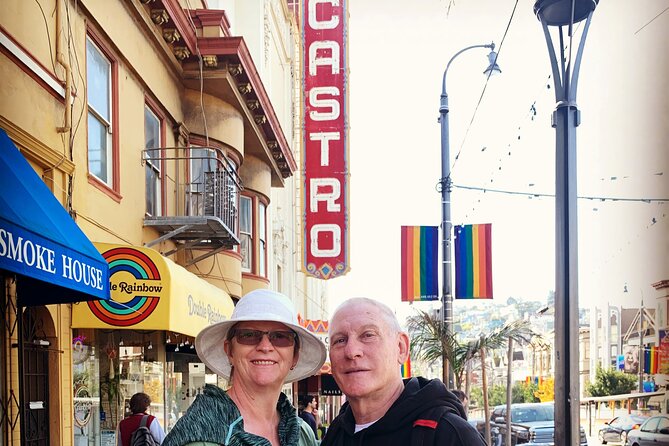
Castro by historic streetcar: more than a neighborhood name
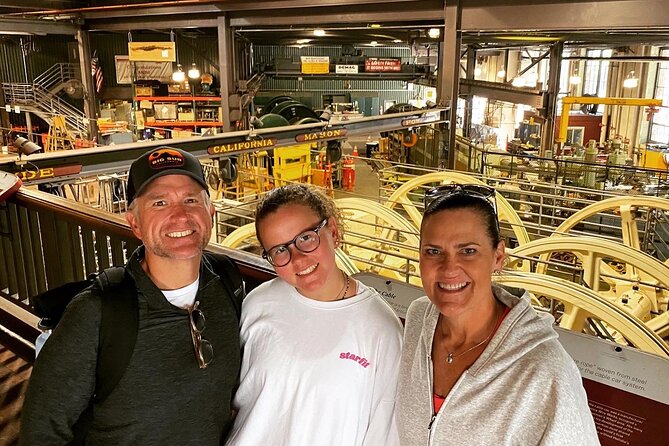
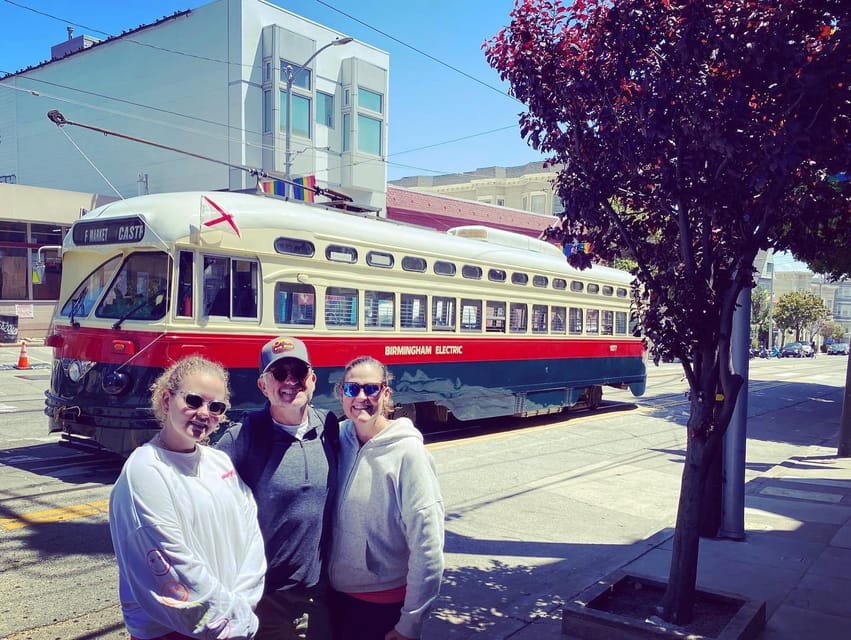
From City Hall (or the museum option), you’ll take a historic streetcar to the Castro area if possible. This is one of the tour’s best “feel it” moments: streetcars move slower than you’d expect, letting you actually notice the blocks you’re traveling through.
The Castro guided time is about 30 minutes. The tour’s focus here is LGBTQ+ history, with stops designed to help you understand why this neighborhood carries such cultural weight. You’re not asked to memorize facts for a quiz—you’re guided to look at the neighborhood’s character and place in SF’s story.
If you like your experiences to have both atmosphere and meaning, this is the part that delivers. It’s also a solid transition point: you leave the civic/downtown feel and step into a neighborhood identity that’s easier to sense in your surroundings.





Mission District and Mission Dolores Park: a quick reset between scenes
Next, you head toward the Mission District, with guided time of about 30 minutes. The tour frames the Mission as the birthplace of San Francisco, and that perspective matters because it changes how you view what you’re walking past. Instead of treating the area like a set of murals and shops, you start to see it as an origin story for the city.
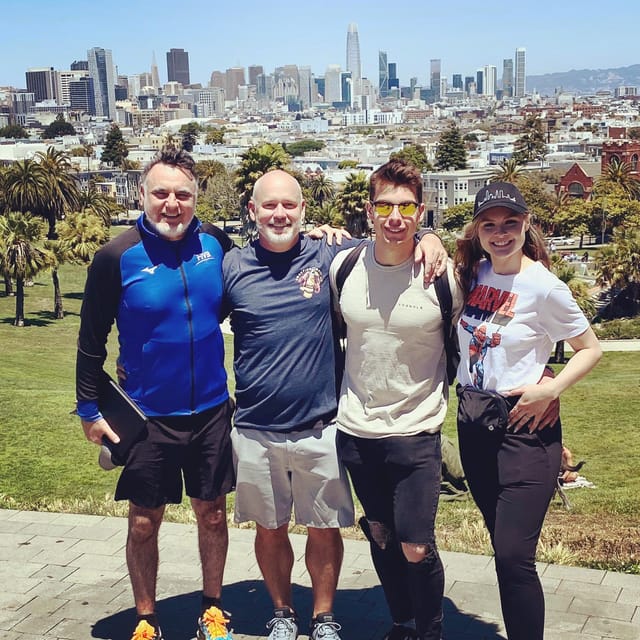
You’ll also spend time near Mission Dolores Park, described as one of the nicer open spaces in SF. This is an ideal moment to slow down. Even if the morning has been active, the park gives your legs and your head a break, and it’s a natural place to absorb the “real SF” feeling—people out, neighborhoods blending, and the city’s scale around you.
Potential drawback: this is still a walking tour. The park stop is a pause, not a sit-and-do-nothing reset. If you’re planning to do a lot of extra exploring after lunch, I’d go easier on your pacing here so you don’t arrive at Haight-Ashbury depleted.
Haight-Ashbury: murals, Summer of Love energy, and lunch timing

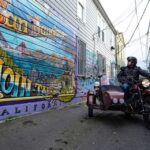
The final neighborhood is Haight-Ashbury, with guided time of about 30 minutes after a short bus/coach ride (about 15 minutes). The tour gives you the story behind the neighborhood name—forever linked to the hippie generation and the Summer of Love—and then shows you what you’ll actually notice on foot: murals and the visual language of the area.
This last leg is also where the timing starts working in your favor. The tour ends in Haight-Ashbury at a point designed for you to go straight to lunch and keep exploring on your own. That matters because Haight-Ashbury is one of those places where you might want to linger. By ending here, the tour hands you off to the neighborhood instead of ending the experience at some far-off landmark with nowhere useful to go next.
How the 4 hours actually feel (and how to dress for it)
A half-day tour can be either relaxing or exhausting. This one lands in the “full dose” category, mainly because it blends rides with walking and climbing. The itinerary is compact—cable car rides, guided neighborhood stops, and short transit moves add up fast—so you should plan on a steady pace.
The tour duration is listed at 4 hours, but your comfort will depend heavily on your clothing and your willingness to handle hills and steps. You’re advised to bring thermal clothing, which is smart in San Francisco where wind can cut the moment the sun drops behind buildings.
Also note the practical rule: it’s not suitable for people with mobility impairments or wheelchair users. And it’s not recommended for children under 15. If those apply, you’ll likely enjoy the city more with a different format.
What you get for $100: value in transit, guides, and access
At $100 per person, this isn’t a cheap “hop-on bus” add-on. But it’s also not just paying for a guide to walk and point. The price is covering multiple moving parts that are hard to assemble on your own:
- Two cable car rides (when possible)
- One trip on the historic streetcar (when possible)
- All metro travel between stops, including the bus/coach segment
- City Hall visit (Mon–Fri, if possible) or the Cable Car Museum on weekends
- A small sustainability contribution: $1 per guest donated to Climate Cents
If you’re the type who hates planning transit logistics, this is where the money earns its keep. You’re paying for a guided route that uses the city’s transit system for you, without you having to figure out where to stand, when to transfer, and how to keep the day flowing between neighborhoods.
And if you care about storytelling, the guide time is part of the value. Nob Hill, Hayes Valley, the Castro, the Mission, and Haight-Ashbury each get focused attention, rather than a quick “look there” stop.
Who this tour is best for
This works well if you fit any of these:
- You’re visiting SF for the first time and want a fast way to connect neighborhoods with city history and identity.
- You want the classic SF transportation experience without having to plan a custom route.
- You like guided context—someone explaining what you’re seeing—rather than just walking at your own pace.
It’s not a great match if:
- You need step-free, low-walking routes. This tour includes hills and steps.
- You’re traveling with a baby stroller or baby carriage (not allowed).
- You’re bringing kids under 15.
If you’re unsure, think about your tolerance for a guided morning that includes both rides and uphill walking. If that’s manageable, you’ll probably have a smoother day.
Should you book the San Francisco Cable Car and Foot half-day tour?
I’d book it if you want a concentrated, guided introduction to SF that includes the cable car experience in a way that feels connected to the city’s neighborhoods. The mix of cable car, streetcar, and guided time in Nob Hill, the Castro, the Mission District, and Haight-Ashbury makes it ideal for “I have limited time, show me the real SF” trips.
I’d skip it if you can’t handle hills and steps, or if you’re hoping for a mostly seated experience. The tour is designed to move, and it uses walking as part of how you understand the city.
If you do book, wear layers, arrive early at the Embarcadero meeting point, and treat the final stop as your springboard: use Haight-Ashbury as your lunch-and-explore zone.
FAQ
How long is the tour?
The tour runs for about 4 hours.
Where do I meet the guide?
You meet at the CALIFORNIA LINE CABLE CAR STATION on the Embarcadero, by the Robert Frost plaque.
Does the tour include cable cars and a historic streetcar?
Yes. It includes 2 cable car rides (if possible) and 1 trip on the historic streetcar (if possible).
What stops are included during the tour?
You’ll be guided through areas including Nob Hill, Hayes Valley, the Castro, the Mission District, and Haight-Ashbury, with travel segments between them.
Is City Hall included?
City Hall is included Monday–Friday if possible. On weekends, the Cable Car Museum may be visited instead.
Is this tour suitable for kids or people with mobility issues?
It’s not recommended for children under 15. It’s also not suitable for people with mobility impairments, wheelchair users, or low-level fitness needs.