REVIEW · SAN FRANCISCO
San Francisco : Mission and Castro districts tour in French
Book on GetYourGuide →Operated by San Francisco Off Road · Bookable on GetYourGuide
A rainbow flag in the wild, not a museum. This 3-hour French tour strings together two real neighborhoods you can still feel in your bones, pairing Castro LGBT landmarks with Mission street art and architectural details. I especially like the mix of big, teachable history (Harvey Milk, the LGBT community) and hands-on street level sights (murals, Victorian houses). One consideration: it’s a “walk-and-look” style outing, and you’ll want comfortable shoes for the full time.
You’ll go in a small group of up to 10 with a French-speaking guide, rain or shine. It starts at Cafe de Casa and ends at Mission Dolores Park, with a map of stops and a follow-up email that includes a souvenir photo.
In This Review
- Key takeaways
- Why the Castro and Mission pair works so well
- Meeting at Cafe de Casa and why the small group matters
- Castro landmarks: Rainbow Flag to Harvey Milk Plaza
- Architectural bonus in the Castro
- Mission District basics: Mission Dolores to the oldest roots
- Street art with context: Women’s Building and Clarion Alley
- Valencia Street: when the tour turns into real neighborhood time
- Liberty Hill: first suburb feel and the John McMullen House
- Dolores Park finish: the skyline payoff you’ll remember
- Price and value: is $65 worth it?
- Who should book this Castro and Mission tour in French?
- My booking verdict: should you do it?
- FAQ
- What neighborhoods does this tour cover?
- How long is the tour?
- Is the guide available in French?
- How large is the group?
- Where does the tour start and finish?
- What’s included in the price?
- Are drinks included?
- FAQ
- What’s the deal with weather?
- Can I cancel and get a refund?
- Is there a reserve-and-pay-later option?
Key takeaways
- Castro history with landmarks like Harvey Milk Plaza and the Castro Theatre, plus the iconic Rainbow Flag moment
- Mission District texture, from Mission Dolores to murals and street art like Clarion Alley
- Architecture fans get paid back with Victorian houses and a very specific “Maxime le Forestier blue house” sight
- Valencia Street breaks up the sightseeing with independent shops, taquerias, thrift stores, and bookstores
- Liberty Hill’s housing variety shows you how San Francisco grew beyond the stereotype
- French guiding that actually lands in reviews, with guides such as Jeremy and Lillian highlighted for clear, fluent commentary
Why the Castro and Mission pair works so well
San Francisco’s neighborhoods don’t just look different. They tell different stories. That’s why this tour clicks: the Castro gives you the city’s landmark LGBT narrative, while the Mission adds the older Hispanic roots and the creative street culture that grew around them.
You also get a nice pacing contrast. The Castro portion leans historic and identity-focused. Then you shift into the Mission, where art is literally on the walls and daily life spills onto the sidewalks—street scenes, small shops, and the kind of murals you can’t scroll past.
You can also read our reviews of more tours and experiences in San Francisco.
Meeting at Cafe de Casa and why the small group matters
You meet at Cafe de Casa with a group capped at 10 people, which changes the whole vibe. In a group this size, the guide can slow down when you have questions and can point out details you’d miss on your own.
French guiding is the core format here. So if you’re comfortable following French explanations at street level, you’ll get more out of the experience than just “seeing signs.” And if you’re not fully fluent, the visual landmarks still carry the tour—just know the narration is meant to be in French.
Rain or shine is part of the deal. Plan for that now, not later. A light jacket and a small umbrella (if you like using them) will save you from turning the day into a soggy shuffle.
Castro landmarks: Rainbow Flag to Harvey Milk Plaza
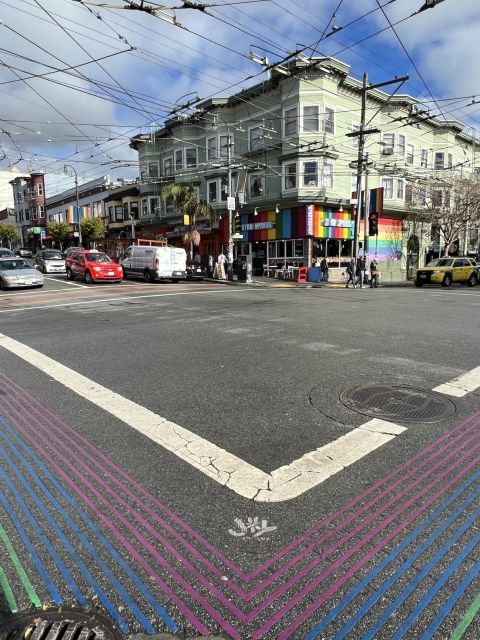
The Castro section is built around recognition points. You can’t miss the Rainbow Flag, and that’s not just a photo moment—it’s a signal that you’re stepping into a neighborhood with deep, visible identity.
From there, you’re in classic Castro territory:
- Harvey Milk Plaza for the civic heart of the story
- The Castro Theatre area, where pop culture and community history overlap
- The former photo store of Harvey Milk, tied directly to his role as America’s first openly gay elected official
The best part isn’t only naming landmarks. It’s how the guide connects the dots between place and people. You’ll leave with a clearer sense of what changed, why it mattered, and how a community can reshape a neighborhood’s meaning over time.
Architectural bonus in the Castro
You also start noticing how the Castro’s buildings frame the story. You’ll see the Victorian flavor that shows up across San Francisco, which helps you understand that the LGBT history didn’t happen in a separate, fantasy world. It happened in real streets with real homes and real architecture.
Mission District basics: Mission Dolores to the oldest roots
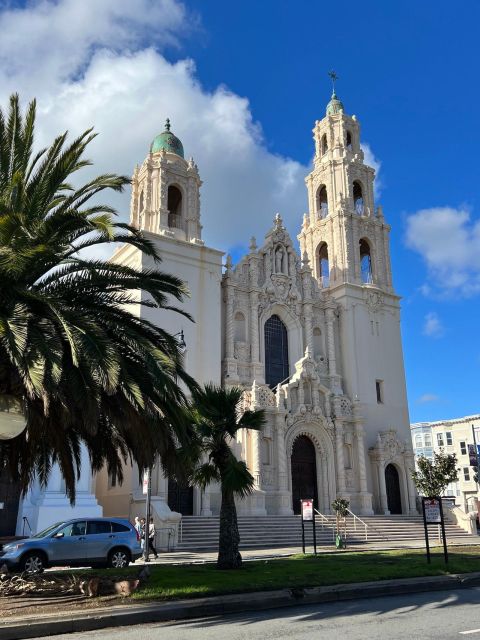
When you transition into the Mission District, the mood shifts from identity history to older cultural continuity and everyday life. The anchor stop here is Mission Dolores, described as the city’s oldest building.
That stop works because it sets time. If you’ve been thinking of the Mission mostly as murals and food streets, Mission Dolores pulls you back to the deeper timeline of the neighborhood.
Then you walk down Dolores Street, where you get palm trees and a “this is just how people move” kind of street feel. The point isn’t to chase views every five seconds. It’s to watch the neighborhood in motion, with the guide steering you toward the sights that explain why the Mission looks the way it does.




Street art with context: Women’s Building and Clarion Alley
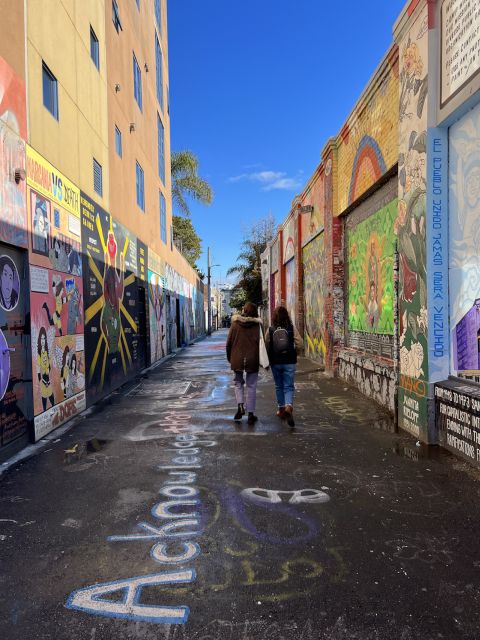
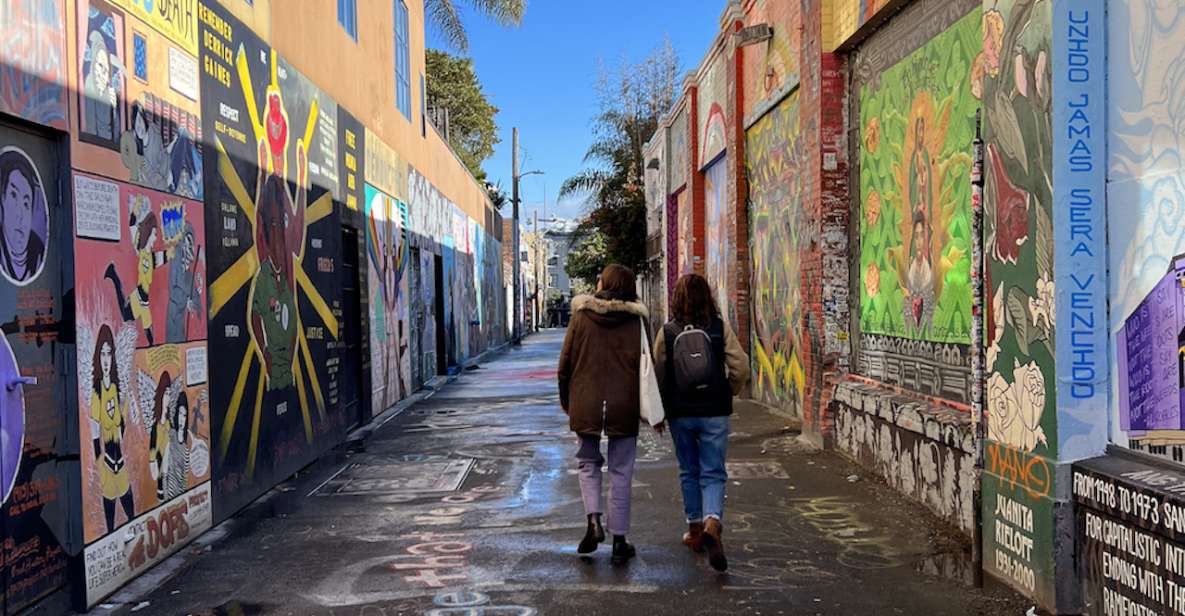
This is where the tour earns its reputation for being more than a sightseeing loop. You’re guided into the Mission’s street art world as an open-air gallery, not as random graffiti.
Two highlighted stops do the heavy lifting:
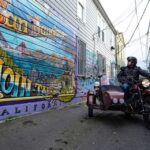
- The giant mural at the Women’s Building
- Clarion Alley, known for its urban graffiti
These scenes are worth seeing slowly. Even if you’re not a street art expert, the guide’s French commentary helps you read the works as community expression—something tied to the neighborhood’s creative energy and identity.
Practical note: murals mean standing around. So bring a willingness to pause and look up. It’s the opposite of “speed through and move on,” and that’s a good thing here.
Valencia Street: when the tour turns into real neighborhood time
After murals and monuments, you shift to Valencia Street, and that part changes the pace in a good way. You’ll soak up the good vibes of a lively thoroughfare lined with:
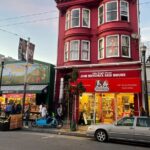
- atypical local boutiques
- Mexican taquerias
- thrift shops
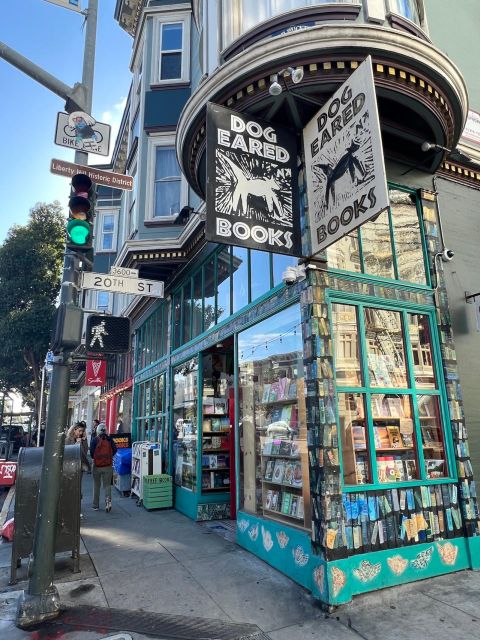
- independent bookstores
This segment is valuable because it doesn’t just show you what exists—it shows you what locals might actually do. It’s also a smart break from constant landmark watching. If you want to grab a snack, this is the moment to think about it—though beverages aren’t included, so you’ll want to plan accordingly.
Liberty Hill: first suburb feel and the John McMullen House
The tour doesn’t stop at the usual Mission headlines. Before finishing, you’ll discover the Liberty Hill District, described as San Francisco’s first “suburb.” That detail matters, because it frames what you’re seeing as the city’s earlier growth pattern, not just a collection of pretty houses.
You’ll spot a range of architecture—from simple cottages to Victorian mansions—and you’ll appreciate how the neighborhood holds different eras side by side.
A specific highlight here is the John McMullen House, called out as dating back to the late 19th century. That’s the kind of stop that helps you understand why San Francisco neighborhoods feel layered. You’re not only looking at art and culture—you’re also seeing how wealth, building styles, and city planning evolved.
Dolores Park finish: the skyline payoff you’ll remember
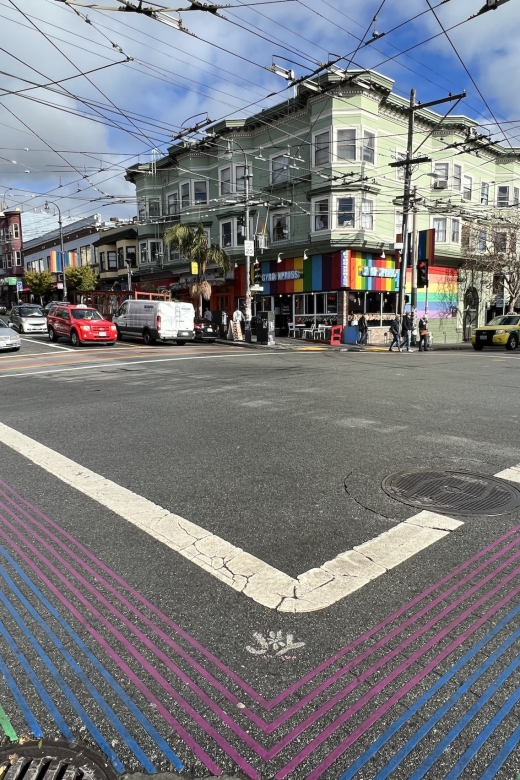
The tour ends at Mission Dolores Park, and that’s a good way to close. Instead of pushing you into another block of history, it gives you space to look out.
From the top, you can enjoy a breathtaking view that reaches across the city, including the distant skyscrapers of downtown. It’s the kind of moment that makes the morning’s walking feel worth it. You’ll also get an easy mental map of where the neighborhoods sit relative to the larger downtown skyline.
Price and value: is $65 worth it?
At $65 per person for about 3 hours, you’re paying for more than movement through streets. You’re paying for interpretation.
Here’s what you’re getting:
- A French-speaking guide
- A map with the best addresses of visited places
- An email after the visit with a reminder and a souvenir photo
That map and follow-up email sound small, but they matter. After a short tour, it’s easy to forget exact street names and landmark locations. Having them in a tidy recap makes it easier for you to return on your own—especially useful in neighborhoods like the Mission, where art and shop streets blend together.
What’s not included is also clear: beverages and personal purchases. If you want a drink or a full snack, plan for it during the Valencia Street portion. The tour gives you the chance; it just doesn’t supply the calories.
For value, the small group size (up to 10) is a quiet advantage. You get less feeling of being herded and more feeling of being guided.
Who should book this Castro and Mission tour in French?
This tour is a strong fit if you want:
- LGBT history in the Castro tied to real places like Harvey Milk Plaza and the Castro Theatre
- Mission District street art stops that include the Women’s Building mural and Clarion Alley
- Architectural interest, especially Victorian housing and the specific blue-house reference (yes, it’s there)
- A neighborhood mix: history, murals, and then actual shopping streets on Valencia
It’s also great for families, based on the positive feedback about children and adults enjoying the tour together. The mix of photo stops and storytelling keeps it varied.
You might look elsewhere if you prefer very slow, heavily seated tours. This one is built around walking, photo stops, and staying present for murals and architectural details.
My booking verdict: should you do it?
If you want an efficient way to see two major San Francisco neighborhoods with a French guide who explains what you’re looking at, I’d book this. The Castro history plus the Mission street art and architecture gives you more meaning per hour than a pure photo tour.
One last practical check: make sure you’re comfortable doing a full 3 hours on your feet, since the itinerary includes strollers’ walking segments like Dolores Street. If that’s your kind of day, this is a smart purchase.
FAQ
What neighborhoods does this tour cover?
It covers the Castro and the Mission District, with stops tied to LGBT community history in the Castro and older Mission roots, murals, and neighborhood streets in the Mission.
How long is the tour?
The tour is 3 hours.
Is the guide available in French?
Yes. The tour is led by a French-speaking guide.
How large is the group?
The group is small, limited to up to 10 participants.
Where does the tour start and finish?
It starts at Cafe de Casa and finishes at Mission Dolores Park.
What’s included in the price?
You get the French-speaking guide, a map with the best addresses of visited places, and an email after the visit with a reminder and a souvenir photo.
Are drinks included?
No. Beverages are not included.
FAQ
What’s the deal with weather?
The tour runs rain or shine.
Can I cancel and get a refund?
Yes. You can cancel up to 24 hours in advance for a full refund.
Is there a reserve-and-pay-later option?
Yes. You can reserve now & pay later to keep travel plans flexible.