REVIEW · SAN FRANCISCO
San Francisco’s Wild Side, Ecotour With Meteorologist
Book on GetYourGuide →Operated by John Shrable · Bookable on GetYourGuide
Few cities teach weather like San Francisco.
This 150-minute ecotour with meteorologist John Shrable blends city sights with real nature time, and it’s built for people who like questions answered on the spot. I particularly love the way you move from Golden Gate Park’s redwoods to the tile stairways without feeling like you’re just passing landmarks. The biggest thing to know up front: you’ll climb multiple stairways and walk on a few dirt paths, so it’s a real workout.
The other reason I’d book this again is the mix of topics. You get hands-on stops focused on ecology and local climate, plus an Inner Sunset street moment that includes a chance to buy famous sourdough baked goods. The only possible drawback is pace and footing—comfortable shoes matter, and it’s not suitable for people with mobility impairments.
In This Review
- Key highlights you’ll actually feel on the walk
- Where the tour starts: Nancy Pelosi Dr, redwood shade, and instant context
- Golden Gate Park’s redwood grove and what you learn before you even “tour”
- Monarch Bear Grove, Shakespeare Garden, statues, and a park you didn’t know you missed
- Music Concourse and the Conservatory of Flowers: art, plants, and the city’s soft power
- Inner Sunset on foot: the bakery stop and the architecture you notice when walking
- The tiled stairways: thousands of ceramic tiles and why the climb is worth it
- Grandview Park payoff: fog as air conditioning, or ocean to Bay lines
- Price and value: $35 for a 10-person science-meets-city afternoon
- Who should book this, and who should skip it
- Simple tips so your day goes smoothly
- Should you book San Francisco’s Wild Side with a Meteorologist?
- FAQ
- Where does the tour meet?
- How long is the tour?
- How much does it cost?
- Is the tour in English?
- What’s included in the price?
- Can I buy sourdough during the tour?
- Is this tour for people with mobility impairments?
- What should I wear or bring?
- How big is the group?
- What’s the cancellation policy?
Key highlights you’ll actually feel on the walk
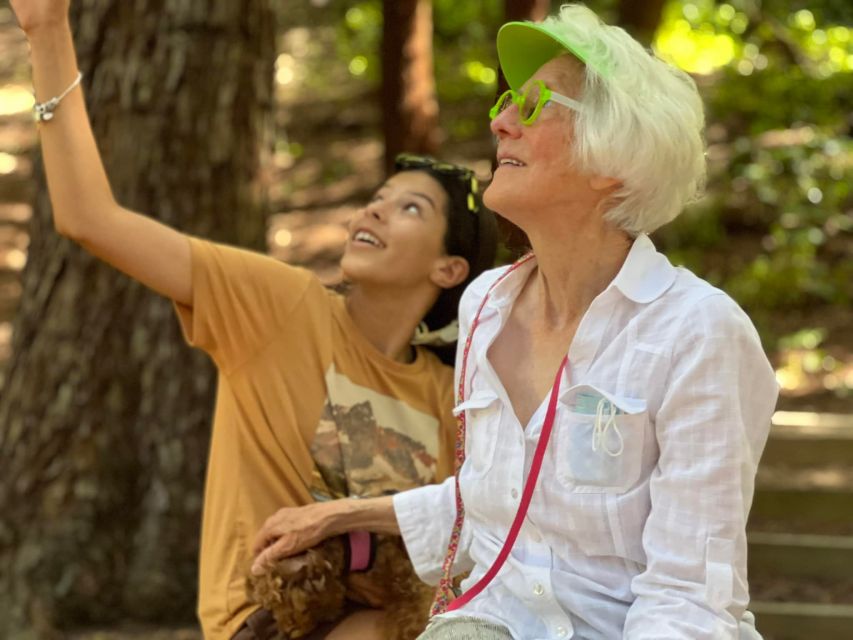
- Small group (up to 10) means more time for your questions, including weather and climate topics
- Golden Gate Park redwood grove start with a guided focus on some of the tallest trees on Earth
- Monarch Bear Grove, Shakespeare Garden, and Conservatory of Flowers keep the nature stops varied and easy to follow
- Inner Sunset bakery break gives you a local rhythm (and yes, sourdough is an option)
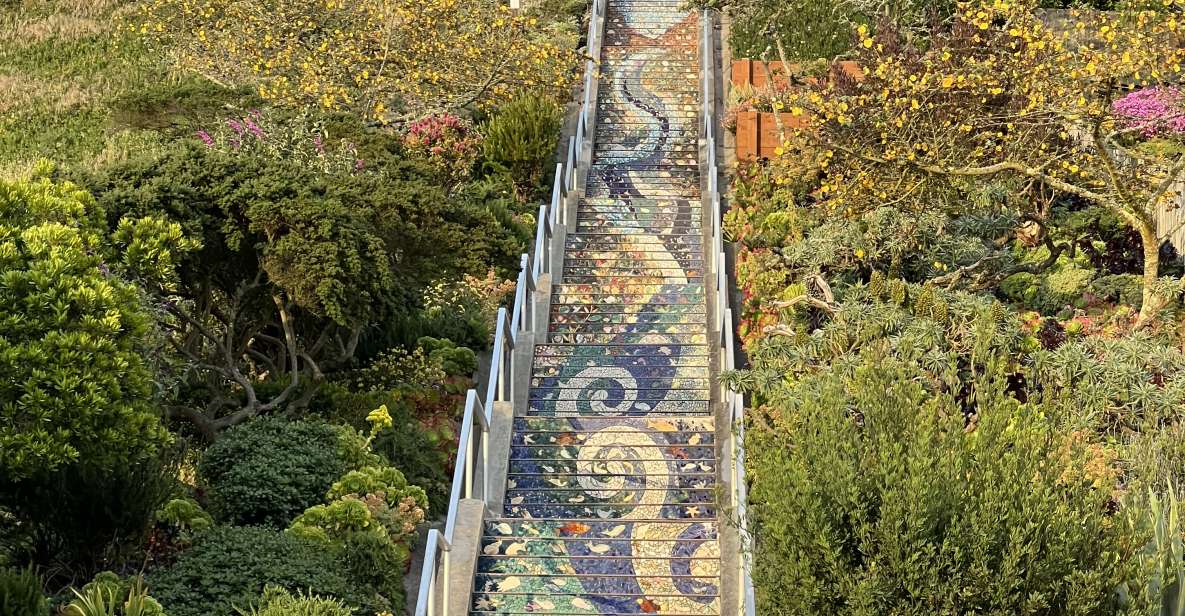
- Two sets of tiled stairways made from thousands of ceramic tiles turn a climb into a moving art lesson
- Grandview Park viewpoint can mean ocean-to-Bay views or a view above fog, depending on the day
Where the tour starts: Nancy Pelosi Dr, redwood shade, and instant context
You meet at the intersection of Nancy Pelosi Drive and Bowling Green Drive, right in front of the National AIDS Memorial Grove. It’s a smart start point because it anchors you in the city right away. You’re not driving off to a separate “nature day.” You’re learning how San Francisco’s green spaces and weather connect to the way people live here.
From there, the tone sets quickly. John Shrable brings a meteorologist’s way of thinking to what you’re seeing. That matters, because San Francisco weather isn’t one single thing. It changes block by block, hill by hill, and sometimes minute by minute. Even if you’ve visited before, you’ll likely get a clearer mental map of what’s going on.
This is also one of those tours where you’ll feel like you’re in good hands immediately. The group is small, and the walk keeps moving at a slow enough pace that you can actually look at what’s in front of you.
You can also read our reviews of more tours and experiences in San Francisco.
Golden Gate Park’s redwood grove and what you learn before you even “tour”
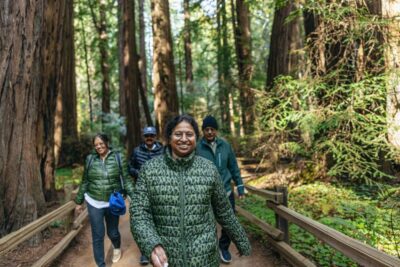
Golden Gate Park is huge, but you won’t feel lost in it. The walk begins in one of the park’s redwood groves. You’ll learn about the tallest trees on Earth, and that focus pays off because it makes the scenery specific instead of generic. Instead of just seeing trunks and needles, you understand what makes those trees special and why this grove is worth your attention.
A lot of people think of Golden Gate Park as “pretty lawns and lakes.” This route trains your eyes differently. You’re looking for ecosystems—how plants live together, where shade matters, and how the park’s conditions support different growth. That theme keeps showing up throughout the tour.
You’ll also get a sense of how the park is managed and experienced, not just admired. One of the recurring strengths of this tour is that it treats San Francisco like a place with systems—weather, plants, and human design all working together.
Practical note: you’re wearing comfortable shoes for a reason. Even in a park, you’re on a walking path with stops, and the terrain includes a few rougher spots.
Monarch Bear Grove, Shakespeare Garden, statues, and a park you didn’t know you missed
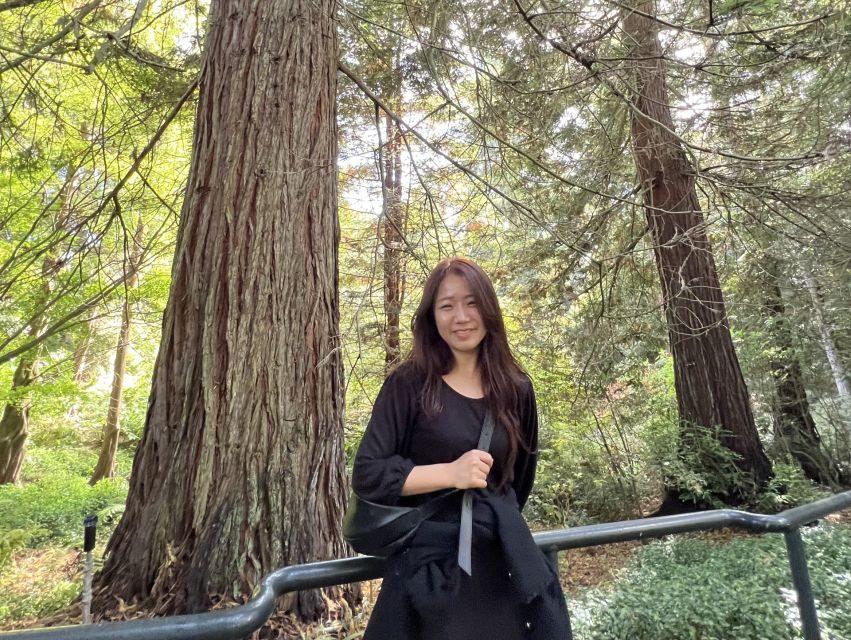
After the redwoods, the tour keeps stepping through Golden Gate Park with a stop pattern that feels like a guided “best-of,” but with more specifics than a standard sightseeing loop. You’ll move past highlights like the Monarch Bear Grove and the Shakespeare Garden, plus you’ll pause to notice the park’s many hidden statues.
These stops are valuable because they change the flavor of your day. The redwoods teach scale. Monarch Bear Grove and the Shakespeare Garden add texture—character, design, and a sense of how the park was shaped over time. And those statues? They’re exactly the kind of thing you’d walk by on your own unless someone pointed them out and explained what to look for.
John also answers questions as you go, including weather-related ones. If you’re the kind of person who always wonders why it’s sunny at one point and gray five minutes later, this is your moment. You’ll leave with a better sense of how fog, wind, and temperature shifts show up in real life.
This part of the walk is where you’ll get your “wow” moments, but in a grounded way. You’re not just taking photos. You’re learning how to read the park.
Music Concourse and the Conservatory of Flowers: art, plants, and the city’s soft power
As the tour continues, you’ll walk through the Music Concourse and spend time alongside the Conservatory of Flowers. This is a nice change of pace from the more woodland-heavy sections.
Why this matters: it shows how Golden Gate Park isn’t just outdoorsy nature. It’s also an urban cultural space designed for gatherings and beauty. The Conservatory of Flowers, in particular, works as a bridge between plant science and public imagination. Even if you’re not a plant person, you’ll likely find yourself pausing more than you expected.
And you’ll still keep the eco angle. The park isn’t treated as a backdrop. It’s treated as an environment with a purpose and a set of conditions that influence what you see.
Inner Sunset on foot: the bakery stop and the architecture you notice when walking
Once you leave the park, the route shifts to Inner Sunset. This section is important because it keeps the “wild side” idea honest. You’re not just in a nature bubble. You’re in real neighborhoods where people live with San Francisco weather and walkable streets every day.
You’ll have a chance to purchase freshly made San Francisco sourdough bread and baked goods from multiple neighborhood bakeries. Light snack and bottled water are included, but this is the part where you can add your own calories and make it feel like your day.
Also, you’ll learn about the neighborhood’s history and notice unique architecture as you walk. There’s something about doing this on foot—your brain starts matching buildings to street shapes, and you get a sense of why the area feels the way it does. You’ll bump elbows with locals in a way that still feels relaxed, not staged.
This is one of the best segments for people who want to experience San Francisco beyond viewpoints. You get the city’s everyday texture without losing the tour’s ecological and meteorology theme.


The tiled stairways: thousands of ceramic tiles and why the climb is worth it
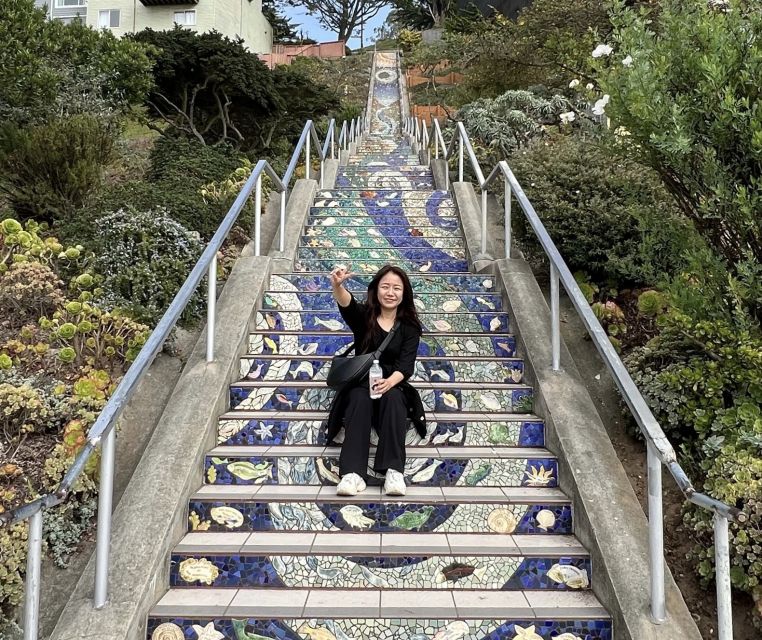
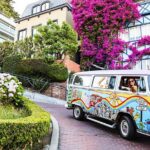
Now comes the workout. You’ll make your way up two sets of San Francisco’s iconic tiled stairways. These stairs are composed of thousands of intricately placed ceramic tiles. That’s the headline. The real value is what the guide helps you see while you climb: the stairways are art, history, and maintenance—wrapped into a daily physical challenge.
John explains details about the tile designs and the maintenance around the stairway areas. This matters for you because it turns a tourist climb into a story about civic pride and long-term care. It also makes the climb feel less like effort-for-photos and more like you’re part of the place.
What it feels like: step by step, you get views, then the views keep getting better. The mosaic details keep your eyes busy, which helps you forget you’re climbing until you’re midway up and your legs are reminding you.
Small breaks are built into how the walk goes, especially because the pace stays slow. Still, if stairs are a pain for you, plan accordingly.
At the top of the second set, you’ll feel that reward immediately. This is the kind of panorama that makes San Francisco look like a puzzle of neighborhoods, hills, and fog-softened edges.
Grandview Park payoff: fog as air conditioning, or ocean to Bay lines
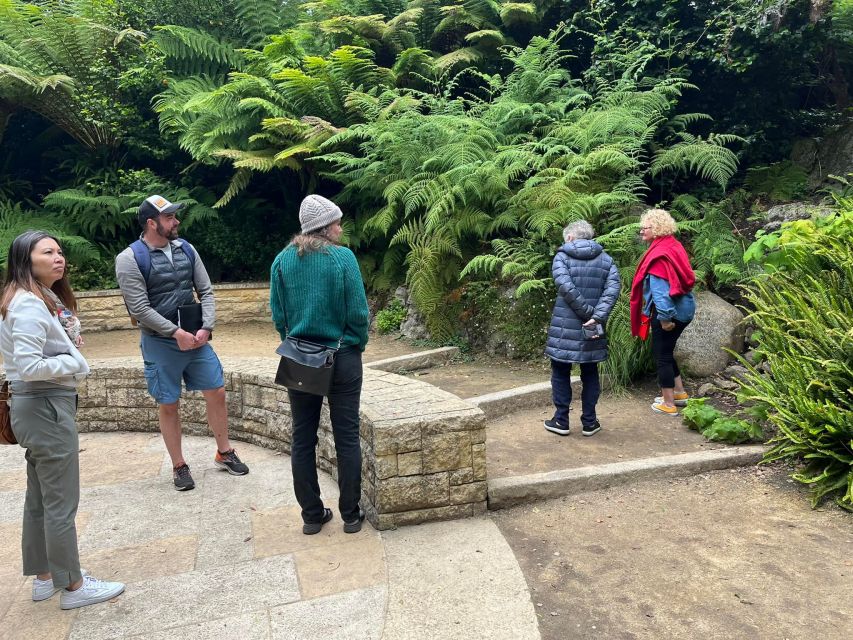
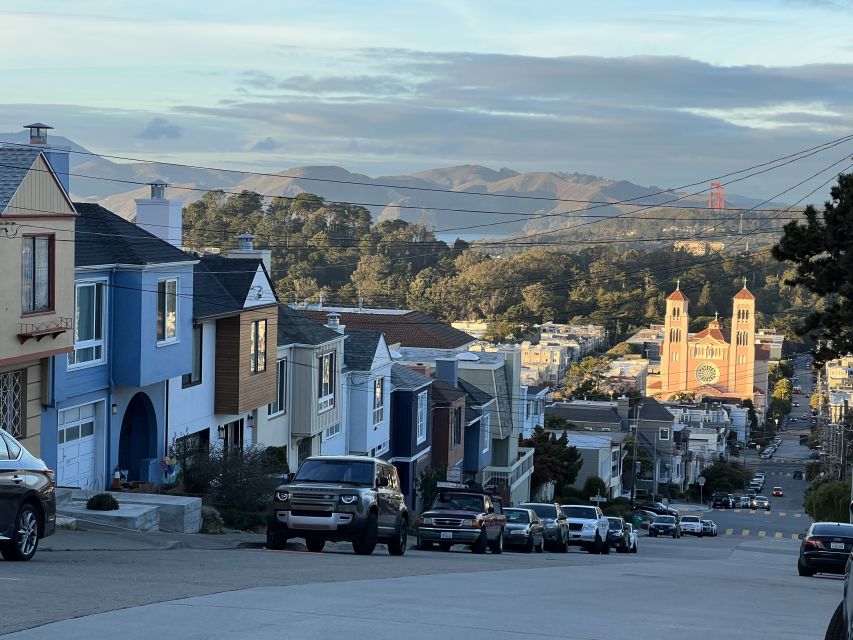
The tour culminates at Grandview Park, a favorite viewpoint over the city. Depending on the day, you’ll either catch a view from the Pacific Ocean to the Bay, or you’ll look out above the fog—fog acting like San Francisco’s natural air conditioning.
This is more than a nice view. It’s where the meteorology part of the tour clicks. When you can see fog layers or coastal light patterns, the earlier weather talk becomes practical. You stop treating the weather like background noise and start treating it like part of the skyline.
And because it’s timed after the stair climbs, you’ll be ready to slow down. You can enjoy your snack and bottled water (and if you bought sourdough earlier, you’ll probably want to savor that too). The tour finishes in Inner Sunset near the 9th Avenue Strip, which is handy if you want dinner and easy public transportation afterward.
Price and value: $35 for a 10-person science-meets-city afternoon
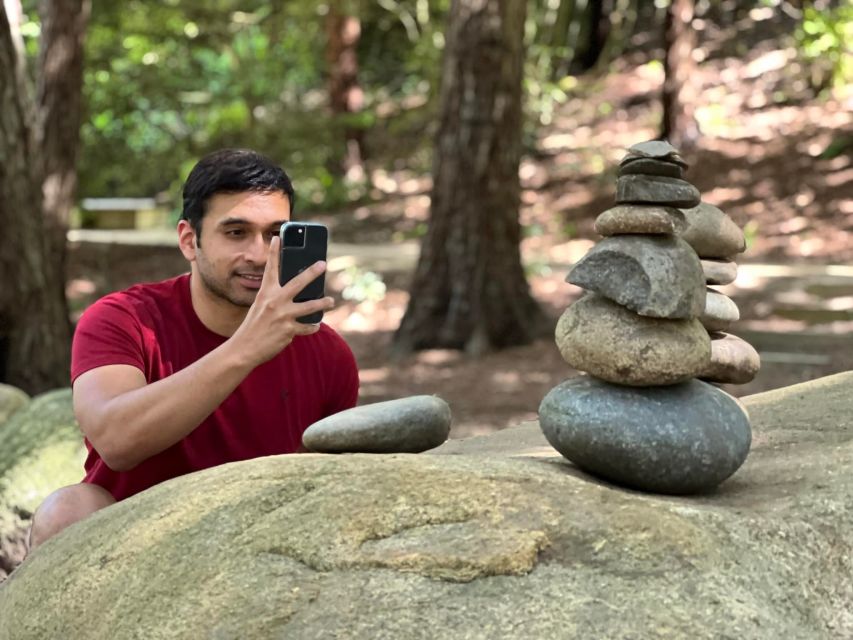
At $35 per person for 150 minutes, this tour is strong value for San Francisco. You’re not just paying for a walk through one famous spot. You’re paying for a small-group experience with a guide who connects the dots between ecology, city history, and local weather.
The included items—a light snack and bottled water—are simple, but they help you keep the momentum without needing to stop at every corner. Plus, the ability to ask meteorology questions in real time is a big part of the value. Most tours show you what to look at. This one explains why it behaves the way it does.
If you’re visiting SF for just a short stretch, you also get variety: redwoods, formal garden areas, neighborhood streets, two tile stair climbs, and a high viewpoint. That mix is what makes it feel worth the time.
Who should book this, and who should skip it
This tour is a great fit if you:
- love a mix of nature and city life in the same afternoon
- want to learn how San Francisco weather works, not just when it’s cloudy
- enjoy walking, climbing stairs, and being outside for about 2.5 hours
You should think twice if:
- stairs and uneven or dirt paths are an issue for you
- you want a mostly flat, low-effort sightseeing style
If you’re a local, it’s also a nice change of pace. The park and Inner Sunset are both areas people think they know well—this route teaches you how to see them again.
Simple tips so your day goes smoothly
- Bring comfortable shoes. You’ll climb multiple stairways.
- Expect a slow pace but still treat it like a workout.
- Wear layers. San Francisco weather changes fast, and the guide will be talking about it for a reason.
- If you’re buying sourdough, plan to carry it briefly and enjoy it during a break rather than trying to keep it perfectly neat the whole way.
Should you book San Francisco’s Wild Side with a Meteorologist?
Yes—if you want a true San Francisco afternoon: science talk, real park time, neighborhood texture, and a big view that feels earned. The guide’s focus on ecology and meteorology is the secret sauce. You’ll come away seeing the city’s weather and green spaces as one connected system, not two separate things.
Skip it if you need a wheelchair-friendly or low-stair experience. Otherwise, for $35 and a max group size of 10, it’s one of the easiest ways to get out, learn, and still have enough energy left to grab dinner afterward.
FAQ
Where does the tour meet?
You meet at the intersection of Nancy Pelosi Drive and Bowling Green Drive, directly in front of the National AIDS Memorial Grove.
How long is the tour?
The tour lasts 150 minutes.
How much does it cost?
The price is $35 per person.
Is the tour in English?
Yes, the live tour guide provides the tour in English.
What’s included in the price?
A light snack and bottled water are included.
Can I buy sourdough during the tour?
Yes. San Francisco style sourdough can be purchased individually along the route.
Is this tour for people with mobility impairments?
No, it is not suitable for people with mobility impairments.
What should I wear or bring?
Wear comfortable shoes. The tour includes climbing stairways and walking on a few dirt paths.
How big is the group?
The tour is a small group limited to 10 participants.
What’s the cancellation policy?
Free cancellation is available up to 24 hours in advance for a full refund.