REVIEW · SAN FRANCISCO
The Escape Game: Epic 60-Minute Adventures in San Francisco
Book on GetYourGuide →Operated by The Escape Game San Francisco · Bookable on GetYourGuide
Locked door, 60 minutes, one mission. This escape game in the Financial District gives you a choice of themed adventures, then throws you into multi-room puzzles you solve together before time runs out. It’s a simple format on paper, but the ticking clock and clue hunt make it feel surprisingly alive.
What I like most is the game guide support. You can ask for unlimited hints, so the fun stays on track even if you get stuck. I also like the variety: five different themes, from gold fever to a full-on warden escape.
One consideration: because games are shared, you may end up working with people you didn’t plan to meet. If you want zero mixing and total control of the team, this might feel a little less personal.
In This Review
- Key things to know before you go
- San Francisco escape rooms in 60 minutes: how the session actually plays
- Choosing the right theme: Gold Rush, Prison Break, Special Ops, The Heist, Playground
- Gold Rush
- Prison Break
- Special Ops: Mysterious Market
- The Heist
- Playground
- Inside the rooms: clues, unlimited hints, and team roles
- A built-in “leave anytime” safety net
- Where it’s located: 150 Kearny St in the Financial District
- Price and value: what $45 buys you (and why it’s not just “an hour”)
- Who should book this escape game (and who might want another plan)
- Age fit
- Accessibility note
- Should you book The Escape Game San Francisco?
- FAQ
- How long is the escape room experience?
- How much does it cost?
- Where is the meeting point?
- Are there different game themes to choose from?
- Can I ask for hints if we get stuck?
- Do the games have multiple rooms?
- How many people can a game accommodate?
- Is this a private experience or shared with other guests?
- What are the age rules?
Key things to know before you go

- Unlimited hints keep the experience moving when puzzles slow you down
- Five themes let you match the room to your group’s taste and comfort level
- Multi-room games mean you’ll keep shifting puzzles instead of doing one long static challenge
- Shared group play can pair you with other guests, even if you come as a small group
- 60 minutes is enough time for a full session, but not enough to “take your time”
San Francisco escape rooms in 60 minutes: how the session actually plays
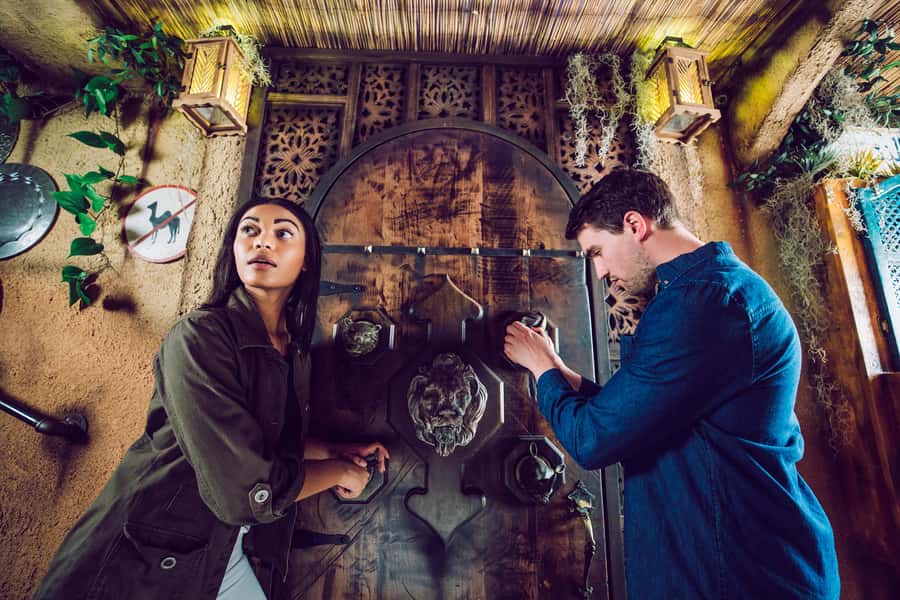
This is built to be straightforward. You arrive at the game site, then a dedicated game guide brings you into your adventure and explains how things work. From there, you get exactly 60 minutes to complete your mission and escape.
The core rhythm is pretty clear:
- You enter the adventure and start solving clues.
- Your team works through puzzles that connect to the story.
- When you need help, you can ask your game guide for as many hints as you want.
- Every game ends with you finishing the mission before time is up.
The multi-room structure matters more than it sounds. Instead of one big puzzle area, you move through a sequence of rooms. That keeps the energy up, helps you reset when one section feels slow, and gives you more chances to spot new clue types.
And yes, there’s a locked-door format. You’ll be in a room with a locked door, but there’s an exit button inside. If you need to leave for any reason, you can do so at any time.
You can also read our reviews of more tours and experiences in San Francisco.



Choosing the right theme: Gold Rush, Prison Break, Special Ops, The Heist, Playground

You get five uniquely themed games, and that’s the best reason to book even if you’ve done an escape room before. The themes aren’t just costumes. They shape the kinds of clues you’re looking for and the overall vibe of the challenge.
Here’s how to choose based on your group:
Gold Rush
This one leans into finding hidden gold in the California hills. If your group likes mystery, searching, and clue spotting, this theme tends to be an easy sell. It also feels approachable because the concept is clear, even if you’re newer to escape rooms.
Prison Break
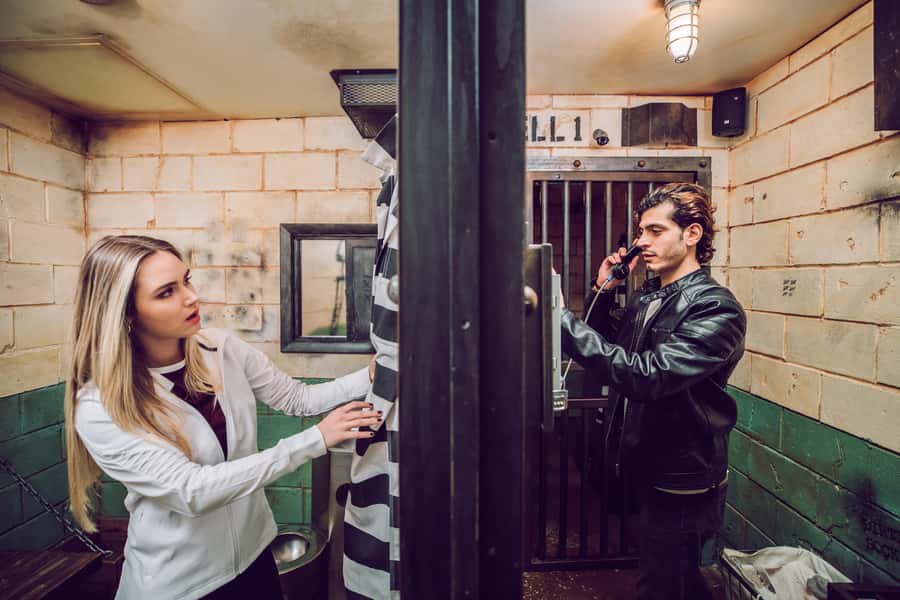
This is the most difficult option they offer. The story is a daring escape from an evil warden, which suggests heavier puzzle pressure and more steps. If you want a real brain workout, this is your best target. If your group is mixed skill or you’re bringing younger players, you’ll want to consider how comfortable everyone is with more challenge.
Special Ops: Mysterious Market
This is framed as a secret agent mission. If your crew enjoys a spy-style plot and puzzles that feel like they’re part of a bigger scheme, this is a strong fit. It’s also a good choice if you want the session to feel like problem-solving with a narrative hook.






The Heist
Recovering a stolen masterpiece from an art thief sounds fun for groups that like themes tied to items, collections, or art-world references. If your group enjoys observing details and connecting information in a logical way, the heist concept is a natural match.
Playground
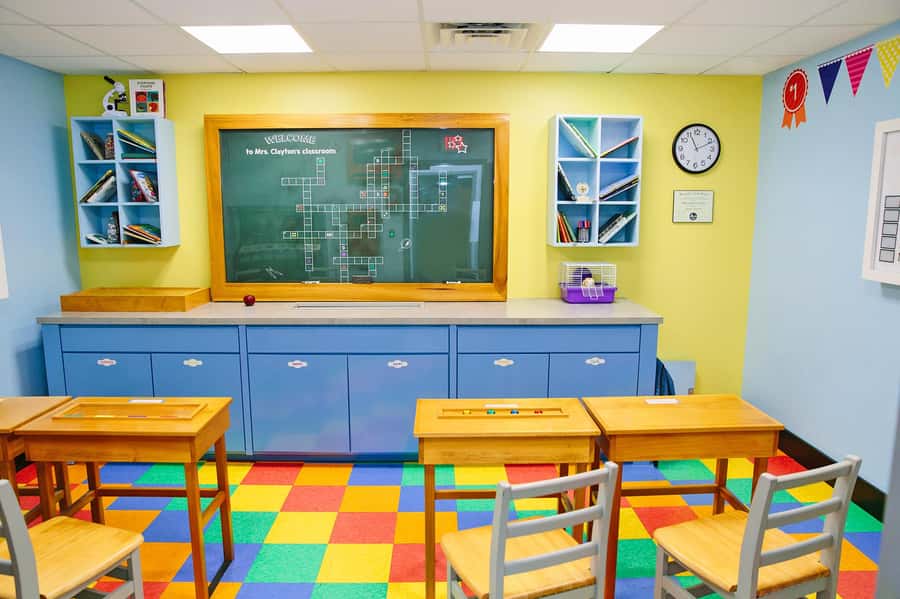
This theme has a different focus: complete your report card and get to summer break. It’s also the only one that can accommodate up to 12 players. If you’re bringing a larger party—or if you want a lighter tone—this is the theme to look at first.
Capacity is different by game. Most adventures can hold up to 8 players, while Playground can fit 12. That matters if your group is bigger than eight; you may need to pick your theme around seating and puzzle flow.
Inside the rooms: clues, unlimited hints, and team roles
Escape rooms often become a tug-of-war between pride and frustration. Here, the design helps you keep momentum. You can request unlimited hints from your game guide. That changes the entire feel of the experience.
Instead of getting stuck and spiraling, you can:
- ask for a nudge toward the next clue,
- confirm you’re thinking in the right direction,
- or get enough guidance to restart the puzzle without handing everything to you.
In practice, this is especially helpful for mixed groups. Some people love puzzles, others just want to contribute. Unlimited hints let you keep the “everyone participates” energy instead of letting one person dominate.
Also, the games are built for shared teamwork. Your goal is to complete the mission together, not just solve it solo. So you’ll want to assign roles quickly:
- One or two people lead clue scanning.
- Someone else watches for patterns and sequences.
- Others can focus on reading the room and trying combinations.
You don’t need to be a puzzle genius. You just need to keep talking. When your team shares what they’re noticing, the clues start to click faster.
A built-in “leave anytime” safety net
I like that the experience includes a straightforward exit option. Since every door has an exit button, you’re not trapped if you need to step out. That’s useful for accessibility concerns, if someone needs a break, or if your group has a stressful moment with the time pressure.
Where it’s located: 150 Kearny St in the Financial District

The meeting point is in San Francisco’s Financial District at 150 Kearny St (94108). That’s handy because it’s a central area where you can usually plan an easy arrival. It’s also a neighborhood where you can make a longer evening out of it, since you’ll likely be done after just one hour.
Because the session is timed, arrive with enough buffer to check in calmly. Escape room stress is real, and the faster you settle in, the better your first 10 minutes will go. If you’re coming from a busy schedule, consider building in a little extra walking time so you don’t feel rushed before you even start.
There’s also a practical note: food and drinks aren’t allowed during the experience. So plan to eat beforehand if you need fuel, especially if you’re going to do this as an activity slot between meals.
Price and value: what $45 buys you (and why it’s not just “an hour”)
At $45 per person for about one hour, this sits in the category of pay-for-fun activities. The value comes from what’s included, not just the time length.
You get:
- one escape room activity
- a game guide
- and unlimited hints
Unlimited hints is a big deal for value. It means you’re not paying extra to get unstuck. If you’re with friends and you want a shared experience that keeps everyone involved, that matters.
It’s also worth thinking about group size. Most games fit up to 8 players, so you can build a team without the cost ballooning beyond the standard per-person rate. And if you have a larger party, Playground can handle up to 12, which can simplify planning.
The other value piece is the theme choice. Five different games means you’re not locked into a single style. If you end up loving the experience, you can return and pick a different theme without feeling like you’re repeating the same challenge.
If your group is very puzzle-competitive and you hate hints, you might feel like unlimited help takes away some difficulty. But honestly, you still control when you ask. Use hints to keep things moving, not to replace problem-solving.
Who should book this escape game (and who might want another plan)
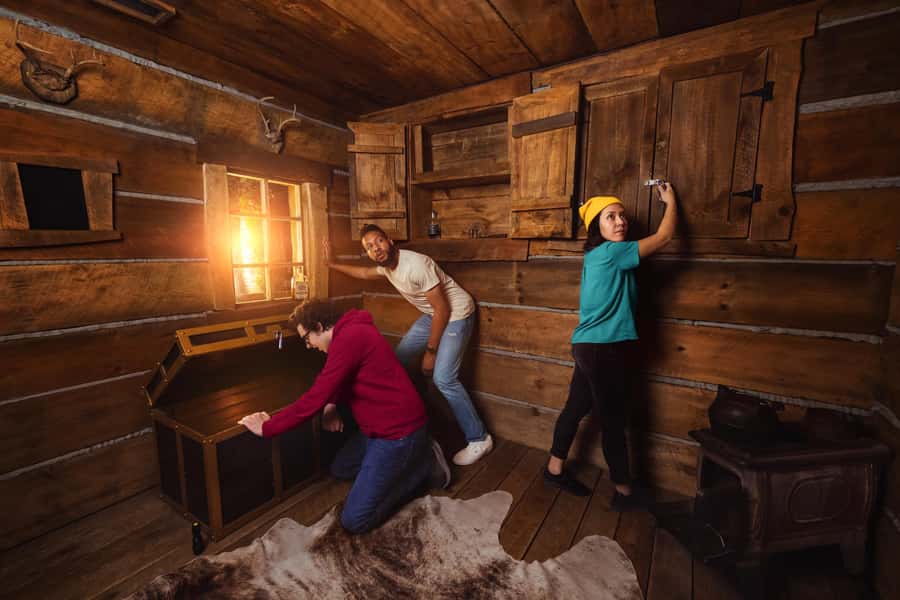
This experience is best for groups who like interactive challenges and don’t mind teamwork under a clock.
It’s a great match if:
- you’re curious about escape rooms but worried about getting stuck,
- you have a mixed group where not everyone plays puzzles,
- you want a themed activity beyond just watching or touring.
It may be less ideal if:
- you strongly dislike shared-group mixing, since you might be paired with other guests,
- your group expects downtime or slow pacing, because you get 60 minutes and that’s it,
- you need to bring food or drinks, since those aren’t allowed.
Age fit
Games are recommended for ages 13 and up. Younger players can join, but some content may be tough. Children under 14 must be accompanied by an adult, and participants under 18 need an adult to sign the waiver.
If your group includes younger teens, consider choosing a theme that feels more age-appropriate in tone. Playground is often the easiest conceptually, while Prison Break is the one they call their most difficult.
Accessibility note
You’ll want to check accessibility details directly with the local partner. The information provided says to contact them for wheelchair accessibility specifics, and that’s the right move. Still, the existence of an exit button gives you a practical safety option if someone needs to leave the room.
Should you book The Escape Game San Francisco?
If you’re looking for a one-hour, plan-for-today kind of activity that mixes story, puzzles, and real human guidance, this is a solid bet. The standout is unlimited hints, because it protects the fun for groups that don’t want to spend the hour stuck on one stubborn clue.
Book it if your group wants:
- a themed challenge with multiple rooms,
- a guide who helps without making it feel like cheating,
- and an activity that can work for first-timers and returning puzzle fans.
Skip or reconsider if:
- you want a private, no-mixing experience,
- your group can’t handle locked-room time pressure,
- or you need food and drinks during the activity.
If you do book, I’d choose your theme based on your group’s comfort with difficulty. Go for Prison Break if you want the tougher ride. Pick Playground for a bigger group option and a more report-card-to-summer-vibe premise. For everyone else, Gold Rush, Special Ops: Mysterious Market, and The Heist are strong “pick based on your favorite story” choices.
FAQ
How long is the escape room experience?
It lasts 1 hour.
How much does it cost?
The price is $45 per person.
Where is the meeting point?
It’s located at 150 Kearny St, San Francisco, CA 94108 in the Financial District.
Are there different game themes to choose from?
Yes. You can choose from Gold Rush, Prison Break, Special Ops: Mysterious Market, The Heist, and Playground.
Can I ask for hints if we get stuck?
Yes. The games include unlimited hints, and you can ask your Game Guide as often as you want.
Do the games have multiple rooms?
Yes. Each game includes multiple rooms.
How many people can a game accommodate?
Most games can hold up to 8 players, except Playground, which can accommodate up to 12 players.
Is this a private experience or shared with other guests?
It’s a shared experience, and you may be paired with other guests.
What are the age rules?
Games are recommended for ages 13 and up. Children under 14 must be accompanied by an adult, and participants under 18 need an adult to sign the waiver.