
REVIEW · SAN FRANCISCO
San Francisco Gregangelo Museum – Immersive Art Garden Tour
Book on Viator →Operated by The Gregangelo Museum · Bookable on Viator
A garden riddle changes your pace. In Saint Francis Wood, the Gregangelo Museum’s Riddle of the Sphinx turns an art visit into a guided game through three outdoor garden spaces, with puzzles that nudge you toward real reflection. It’s playful, thoughtful, and very San Francisco in that slightly offbeat, creative way.
I love the three enchanted gardens—Garden of Youth, Garden of Life, and Garden of Wisdom—and how each one reframes what you notice as the story unfolds. I also like the private group format, where you’re not trying to keep up with strangers while you solve.
One possible drawback: this is not a typical museum where you can quietly wander. If you prefer passive sightseeing, you may find the games and group sharing feel like too much.
In This Review
- Key things to know before you go
- San Francisco’s Saint Francis Wood: Why This Neighborhood Matters
- Tour Essentials: 90 Minutes That Don’t Feel Like a Lecture
- Where It Starts: Finding 225 San Leandro Way
- Stop 1 at the Gregangelo Museum: The Riddle’s Invitation
- Garden of Youth: Where the Playfulness Starts
- Garden of Life: Turning Clues into Conversation
- Garden of Wisdom: The Reflection Portion
- How the Guide Keeps You Moving (and Keeps It Gentle)
- Price and Value: Is $127 Worth It?
- Who This Tour Fits Best (And Who Might Skip It)
- Quick Tips to Make the Most of Your 90 Minutes
- Should You Book the Riddle of the Sphinx?
- FAQ
- How long is the Gregangelo Museum Riddle of the Sphinx tour?
- What is included with the ticket?
- Is this a private tour?
- Where does the tour start and end?
- Do I need a printed ticket?
- Can I get a refund if I cancel or change my plans?
Key things to know before you go
- Three garden chapters: Garden of Youth, Garden of Life, and Garden of Wisdom guide the experience step by step
- A guided puzzle path: you solve the riddle through games, not just viewing art
- Small, personal feel: it’s a private tour/activity, with only your group participating
- Your guide matters: facilitators like Nick and Marcelo focus on helping your group move through the clues and conversations
- You get a digital storybook: it supports the experience from start to finish
San Francisco’s Saint Francis Wood: Why This Neighborhood Matters
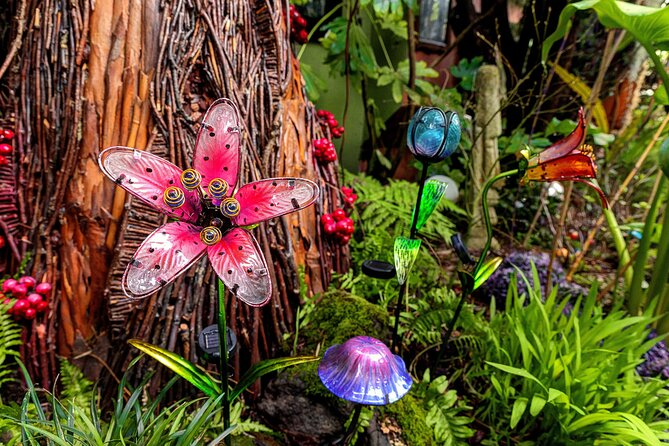
This tour happens in Saint Francis Wood, a part of San Francisco most visitors don’t plan around. That’s a good thing. The setting gives the Gregangelo Museum’s art a quieter, more “discover it” feel than the usual downtown museum scene.
The big idea here is creativity as a lived experience, not just a display. You’ll move through outdoor garden worlds that each carry their own mood and message. Then the guide’s prompts pull your group from noticing details into making meaning from what you find.
If you like art that’s a little theatrical and a little personal, this location helps. It’s far enough from the tourist rush that your brain can switch gears. You’re not doing errands; you’re doing an experience.
You can also read our reviews of more museum experiences in San Francisco



Tour Essentials: 90 Minutes That Don’t Feel Like a Lecture
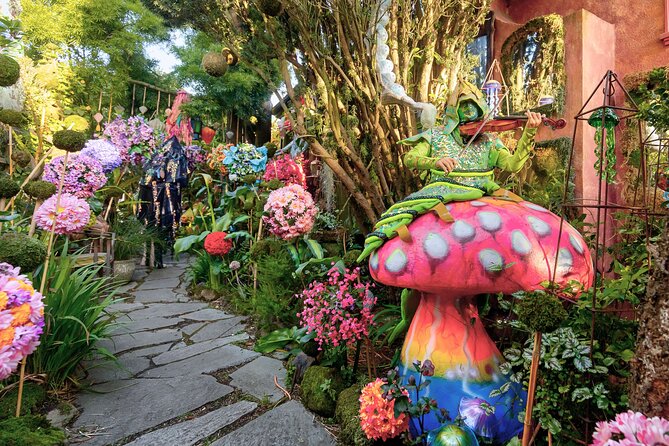
Plan on about 1 hour 30 minutes. That’s long enough to play, think, and talk, but short enough that you won’t feel trapped in a single room.
You’ll use a mobile ticket, and the tour is a private tour/activity—only your group participates. That matters more than it sounds. In a puzzle-based setting, private time means the guide can respond to your group’s pace instead of rushing everyone along.
You also receive a digital storybook, which you can think of as your companion. It helps tie the gardens together so the visit doesn’t feel like three separate stops. The goal is that the riddles land in your mind as a connected journey, not a scattered scavenger hunt.
Where It Starts: Finding 225 San Leandro Way
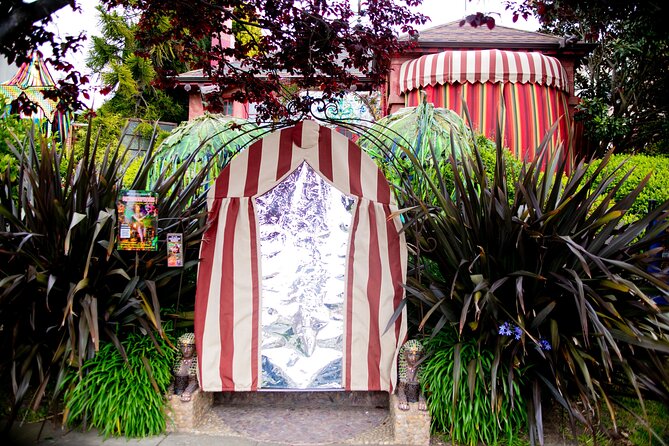
Meet at 225 San Leandro Way, San Francisco, CA 94127. The tour ends back at the meeting point, so you’re not left figuring out your next move in a new area.
Because it’s near public transportation, you don’t have to rely solely on a car or rideshare. If you’re doing a day of San Francisco sightseeing, this is easy to slot in before or after another neighborhood visit.
One practical tip: treat the start time like it matters. With an interactive experience, being late can disrupt the flow for you and your group.
Stop 1 at the Gregangelo Museum: The Riddle’s Invitation
The experience begins at the Gregangelo Museum, where the guide sets up the premise: you’re not just solving a puzzle; you’re unfolding something about yourself as the gardens reveal clues.
You’ll be introduced to three garden themes, each with its own direction:
- Garden of Youth
- Garden of Life
- Garden of Wisdom
Even if you don’t consider yourself a “puzzle person,” the framing helps. The riddle is playful and story-driven, and the guide keeps things moving so it doesn’t turn into frustration.
In the guide-led format, you’re expected to participate. You’ll play games, solve riddles, and keep your group connected as you move from one garden world to the next. Guides such as Nick and Marcelo are known for steering the experience with clarity and warmth—helping you understand what you’re supposed to do, then guiding the reflection after.
Garden of Youth: Where the Playfulness Starts
Garden of Youth is your opening chapter. This is where the experience loosens you up—less about “being correct” and more about entering the game with curiosity.
Expect an atmosphere designed to make you pay attention. You’re looking for meaning in what you see and what you’re asked to do. The challenge is meant to feel human-sized, not academic.
What I like about a first stop like this: it sets your mindset. If you come in tense, the Youth garden has a way of turning that into openness. If you come in relaxed, it gives your good mood something to work with.
Drawback to keep in mind: if you expect the riddle to be purely logical, you might initially miss the point. The Youth theme works best when you allow the experience to be a little symbolic and a little goofy.






Garden of Life: Turning Clues into Conversation
Next comes Garden of Life, and this is where the puzzles start to feel more personal. You’ll keep solving the riddle, but the questions and prompts push your group to connect the dots in a more meaningful way.
This garden theme is also why the private format matters. Shared problem-solving becomes shared processing. You’re doing something together, so your answers and reactions start to shape the moment.
From what you can expect, don’t be surprised if your group talks more than you planned. The experience often nudges you from “What does this mean?” into “What does this say about us?”
If you’re traveling with a partner or a close friend, Garden of Life is the part you’re most likely to remember later as the bonding segment of the day. If you travel solo, it can still be a great reset—just be ready for guided participation rather than passive observation.
Garden of Wisdom: The Reflection Portion
Finally, Garden of Wisdom shifts the energy toward integration. By now you know the game mechanics, and your brain is warmed up to the symbolic side of things. That’s where the riddle’s payoff tends to land.
This is the point of the visit where you’re meant to slow down a touch. You’re not just finishing tasks; you’re interpreting what you discovered about the prompts you were given.
I like that the experience ends in a place that feels contemplative instead of purely performative. You walk away with something to think about later, not just a clever story you heard and then forgot.
Practical note: if you tend to rush your days, give yourself room to actually feel the ending. The last garden works best when you don’t immediately jump into your next activity the moment the tour ends.
How the Guide Keeps You Moving (and Keeps It Gentle)
Guides like Nick and Marcelo are mentioned in the shared stories as skilled facilitators. The key thing they seem to do well is balance structure with emotional safety.
In other words: you’re not left on your own with a bunch of clues. You get direction, and you get encouragement. But you’re also not forced into deep sharing if you’re not ready.
That’s important because the experience can get emotional. People describe it as feeling more like therapy than sightseeing, which tells me the prompts and group discussions can go beyond surface-level fun. That doesn’t mean it’s heavy every second—it means the game has an undercurrent.
If you’re sensitive to reflective experiences, just know what kind you’re signing up for. You’ll likely leave thinking, not just smiling.
Price and Value: Is $127 Worth It?
At $127 per person, this isn’t the cheapest activity in San Francisco. But it also isn’t trying to compete with standard museum pricing.
Here’s where the value comes from:
- Private, guided format means you’re paying for direct facilitation, not an audio tour
- Structured time (about 90 minutes) keeps the experience focused and manageable
- Multi-part art setting with three garden worlds makes the visit more than one photo stop
- Digital storybook adds continuity and helps you remember what the experience intended
So the question isn’t only cost—it’s whether you’ll participate. If you’re willing to play, listen, and reflect with your group, the price starts to make sense. If you want to pass time with minimal interaction, you may feel it’s overpriced for what you prefer.
Who This Tour Fits Best (And Who Might Skip It)
You’ll probably love the Riddle of the Sphinx if you enjoy:
- playful puzzles that turn into conversation
- art settings outdoors
- small, guided experiences that feel personal
- traveling with a partner, friend, or family member who’s game for reflection
It can also work well for mixed ages, since the experience is described in shared stories as something families have enjoyed together, including adults bringing older relatives.
You might want to skip it if:
- you prefer silent museums
- you hate group participation
- you’re uncomfortable with prompts that encourage sharing or emotional noticing
No wrong choice—just match the experience to your travel style.
Quick Tips to Make the Most of Your 90 Minutes
- Arrive a few minutes early at 225 San Leandro Way so the guide can start on time.
- Come with a light attitude. The puzzle works better when you treat it like a game first, logic test second.
- If you’re traveling as a couple, decide ahead of time that you’ll both participate. The shared solving is part of the point.
- Plan something calm right after. The experience can leave you reflective, so don’t stack back-to-back, stressful stops.
Should You Book the Riddle of the Sphinx?
Book it if you want a San Francisco art experience that isn’t just visual. This tour is guided, game-based, and built around three garden themes that nudge you into reflection—especially as you move from Youth to Life to Wisdom.
Skip it if you need a quiet, self-paced museum. The whole concept depends on participation, attention, and conversation. And at $127 per person, you’ll only feel good about the price if you’re the type who enjoys interactive experiences.
If you’re curious, bring your openness. This is one of those rare outings where you don’t just look at art—you work with it.
FAQ
How long is the Gregangelo Museum Riddle of the Sphinx tour?
The tour is about 1 hour 30 minutes.
What is included with the ticket?
Your admission ticket is included, and you also get a digital storybook.
Is this a private tour?
Yes. It’s a private tour/activity, and only your group participates.
Where does the tour start and end?
It starts at 225 San Leandro Way, San Francisco, CA 94127, USA, and ends back at the same meeting point.
Do I need a printed ticket?
No. The experience uses a mobile ticket.
Can I get a refund if I cancel or change my plans?
No. The experience is non-refundable and cannot be changed for any reason.