REVIEW · SAN FRANCISCO
SF: San Francisco Museum of Modern Art (SFMOMA) Entry Ticket
Book on GetYourGuide →Operated by SFMOMA · Bookable on GetYourGuide
Art hits different in San Francisco. With an SFMOMA entry ticket, you get a full day inside a newly expanded 170,000-square-foot museum packed with 33,000+ modern and contemporary works. I like that it feels like a real city walk through art, not a tight checklist, and I love that the museum gives photography its own dedicated floor.
One heads-up: the museum can feel a bit wayfinding-disorganized, so plan a loose route before you wander too far.
In This Review
- Key things that make this ticket worth it
- A Whole-Day Ticket in the Expanded SFMOMA Building
- Getting In Fast: Third Street or Howard Street
- How the 7-Floor Layout Helps You Choose Your Own Art Day
- Photography Floor: When Modern Art Turns into a Visual Language
- Major Artists You’ll See, and How to Look Without Overthinking It
- Terraces, Sculptural Staircase, and Roman Steps for Real Breaks
- Neon Installations, Short Videos, and Interactive Displays
- Dining on Site: Cafe 5, In Situ, and Sightglass Coffee Bar
- The Museum Store: Gifts and Art Books That Feel Like Real Finds
- Price and Time: Is $15 Worth It for a One-Day Pass?
- Who This Ticket Suits Best (and Who Might Want a Different Plan)
- Should You Book This SFMOMA Entry Ticket?
- FAQ
- How much does the SFMOMA entry ticket cost?
- How long is the SFMOMA ticket valid for?
- Where do I enter SFMOMA?
- What’s included with the ticket?
- Can I add special exhibits?
- What should I bring with me?
- Is the museum wheelchair accessible?
- Is there bike parking on site?
Key things that make this ticket worth it
- 7 floors across modern art types: paintings, sculpture, neon installations, and short videos
- Photography has its own full floor, which makes it easier to go deeper instead of guessing
- Major names show up in multiple ways, from Warhol and Jackson Pollock to Calder and Frida Kahlo
- Terraces and Roman steps give you a place to reset between galleries
- Food options on-site keep you from losing your day to long detours
- Museum Store is more than souvenirs, from art books to small design gifts
A Whole-Day Ticket in the Expanded SFMOMA Building
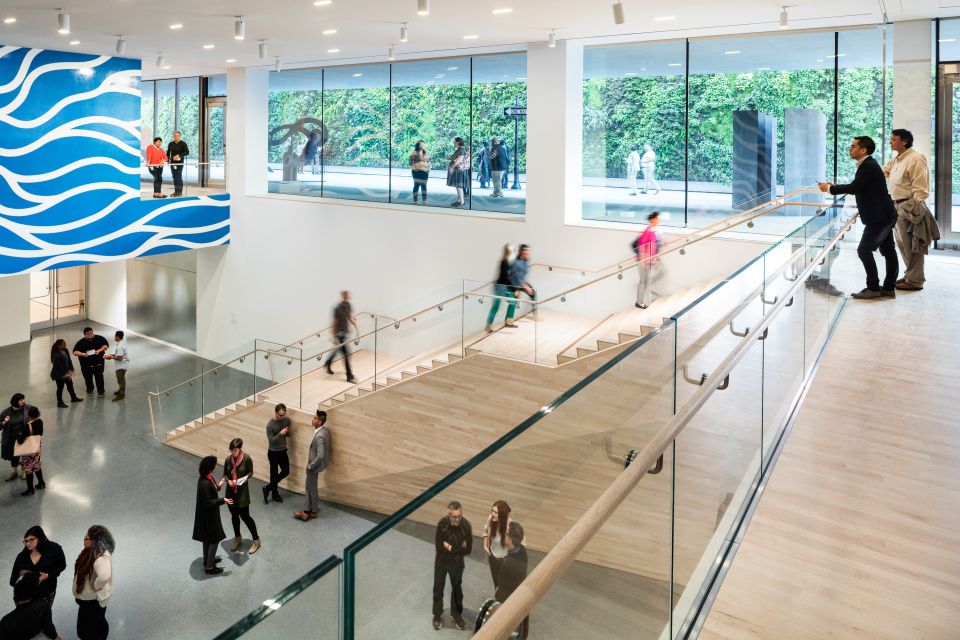
For $15, the value is less about ticking off “must-see” works and more about getting a block of time where your taste can steer the day. SFMOMA holds more than 33,000 modern and contemporary artworks in a space totaling about 170,000 square feet. That size matters. In a big museum, you can start broad, then narrow down when something grabs you.
The expansion also changes the rhythm. You’re not only moving room to room—you’re also moving between different kinds of spaces: gallery halls, photography-focused areas, terraces, and public steps designed for hanging out. That makes it easier to pace yourself. If you love art but you hate rushing, this is a better match than venues that feel like a fast conveyor belt.
And you don’t need to be a serious art scholar to enjoy it. SFMOMA’s interpretation and programming style tends to keep the experience moving, including interactive displays that add energy to what could otherwise feel like passive gallery time.
You can also read our reviews of more tours and experiences in San Francisco



Getting In Fast: Third Street or Howard Street
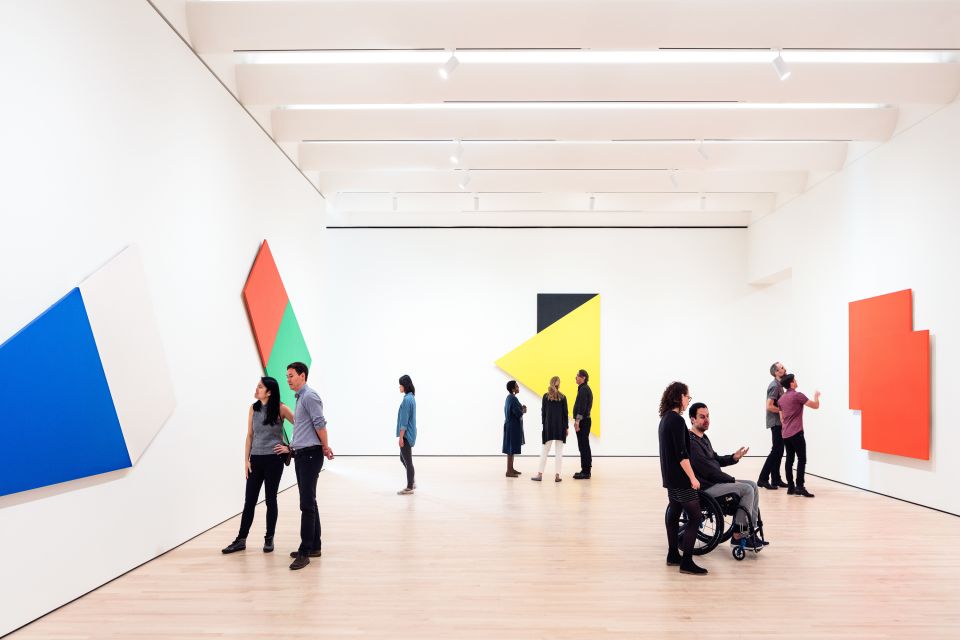
Your entry points matter because the museum has both a Third Street entrance and a new Howard Street entrance. If you’re arriving on foot, I’d pick the entrance that lines up best with where you’re walking from—then stick with that plan.
Once inside, you’ll want to quickly decide on a direction. SFMOMA’s layout includes 7 floors and multiple “art modes” (paintings, sculpture, photography, neon, video). If you roam without any plan, you may feel like you’re zigzagging across the building.
Small practical tip: give yourself permission to start with one floor you’re excited about—especially if you know photography is your thing. Then circle back later if you still have energy.
How the 7-Floor Layout Helps You Choose Your Own Art Day
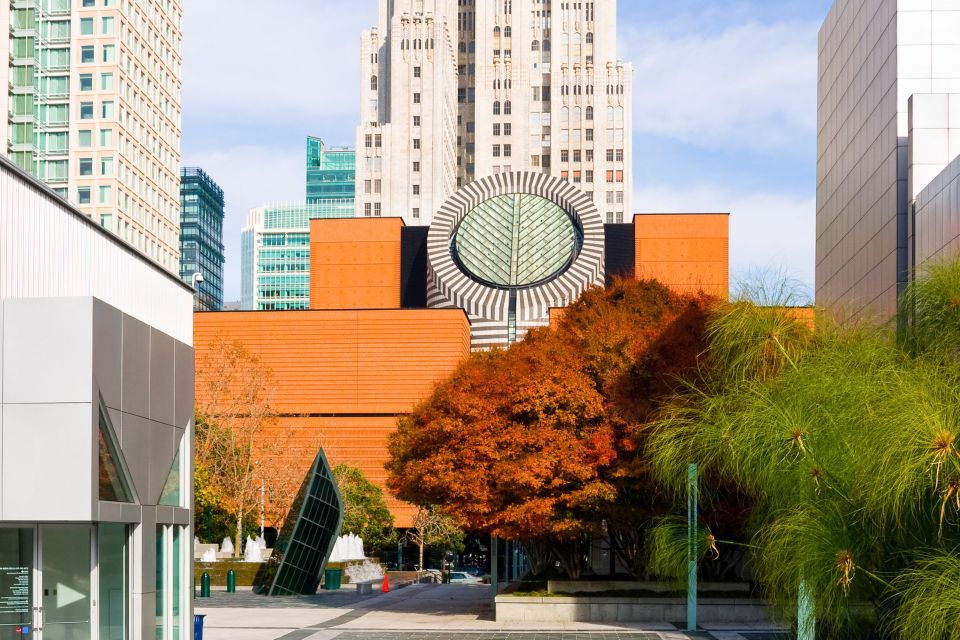
SFMOMA’s big strength is that it organizes modern art in ways that let you follow your curiosity. Instead of forcing one linear path, the museum’s 7 floors break the experience into themes and formats.
Here’s a useful way to think about it while you’re inside:
- Photography is easy to commit to because it has an entire dedicated floor. That means you can actually spend time comparing works without constantly feeling like you’re leaving the “photo zone.”
- Painting and sculpture are both heavily represented, including works that cover an artist’s career rather than isolated highlights.
- Time-based media shows up too: neon installations and short videos. This matters because modern art isn’t only about what you see; it’s also about what you notice as you watch.
You’ll also encounter interactive elements that make the museum feel more alive. If you like art that responds to your attention, these areas are worth slowing down for.
Photography Floor: When Modern Art Turns into a Visual Language

One standout feature is the museum’s dedicated floor for photography, which is part of why an SFMOMA visit can work for more than one kind of art lover. If you normally only stop briefly at photos in museums, this layout changes the game. You can actually compare styles and subjects across rooms.
Photography at SFMOMA also blends well with the rest of the collection because it lives inside the same overall modern and contemporary conversation. So you’re not bouncing from “photo museum” to “painting museum.” You’re staying in one modern mindset while switching mediums.
If you want a simple strategy: spend your strongest energy on this floor first or mid-visit. First works if you want excitement while you’re fresh. Mid-visit works if you’d rather warm up on other collections, then use photography to re-center.
Major Artists You’ll See, and How to Look Without Overthinking It
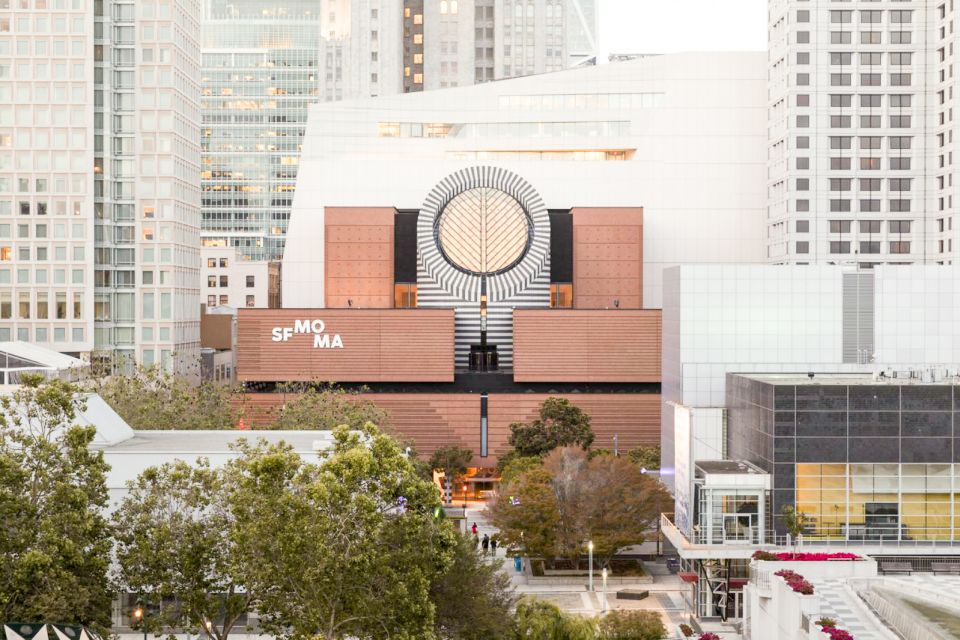
SFMOMA’s collection includes internationally recognized holdings across modern and contemporary art. Names like Alexander Calder and Frida Kahlo appear, alongside other major artists. You’ll also encounter works tied to big, recognizable styles—Warhol lithographs, and Jackson Pollock’s signature splatters, for example.
To make these works more meaningful (and less like name-checks), I suggest one rule:
Pick one detail per artwork and let it lead you.
For instance:
- With Warhol lithographs, focus on the repetition and how color or line changes your reading of the image.
- With Pollock-type splatter work, don’t only look for the “dramatic mess.” Look for rhythm—where your eyes travel across the canvas.
- With sculptural pieces by artists like Calder, shift your attention between angles and how shapes occupy space.
SFMOMA’s painting and sculpture collections also emphasize works across artists’ careers. That’s valuable because it lets you see development over time instead of treating each piece like a standalone “cool image.”
You can also read our reviews of more museum experiences in San Francisco




Terraces, Sculptural Staircase, and Roman Steps for Real Breaks

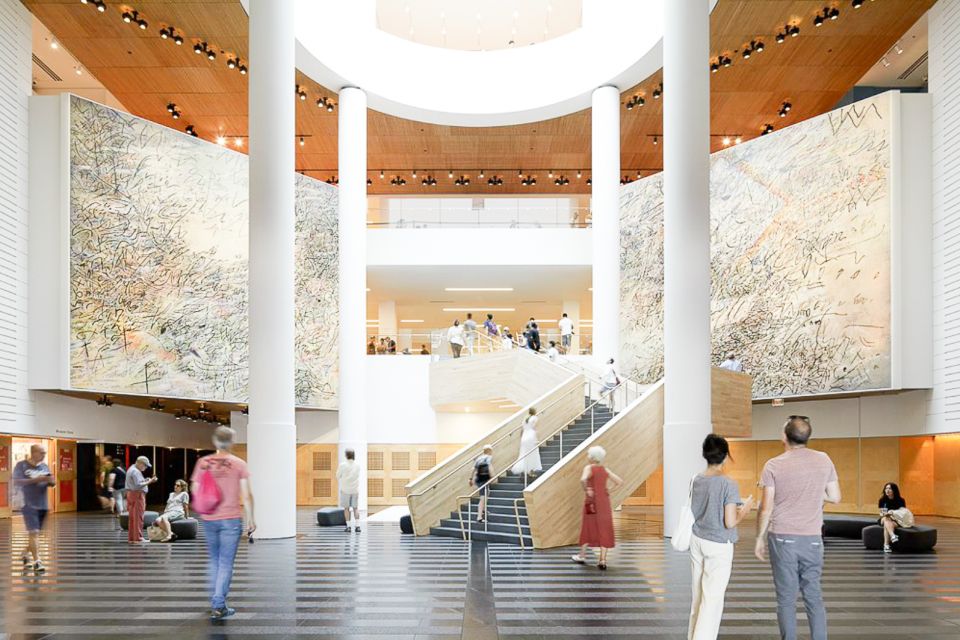
It’s easy to forget that museums can be social spaces too. SFMOMA includes public gathering areas such as Roman steps and a sculptural staircase. It also offers 6 art-filled terraces.
Those spots do two things for your day. First, they give you an easy breather without leaving the museum. Second, they reset your eyes so the next gallery feels sharper. After a few floors, you’ll start to recognize patterns in what you like. The terraces and steps help you catch those patterns instead of bulldozing onward.
If you’re traveling with someone who gets tired in galleries, these terraces are practical. You can take a short pause together, then meet back up where your interests diverge.
Neon Installations, Short Videos, and Interactive Displays
Modern art isn’t only framed and hung. SFMOMA includes neon installations and short videos, which add a different kind of attention-demanding experience. In these areas, your “viewing skill” changes. You’re not only reading objects; you’re responding to light, movement, and pacing.
Then there are interactive displays—small things you can engage with rather than just stand and stare. This tends to make the museum atmosphere feel less quiet and more active, even when you’re in a serious gallery context.
If you get overwhelmed by sensory installations, you don’t have to hit every media room at full intensity. Instead, treat the time-based pieces like palate cleansers between slower rooms. A few minutes here and there can keep the overall visit feeling varied, not exhausting.
Dining on Site: Cafe 5, In Situ, and Sightglass Coffee Bar
A full-day ticket only feels like value if you can eat without breaking your flow. SFMOMA gives you multiple on-site dining choices, including Cafe 5, In Situ, and Sightglass Coffee Bar.
Here’s the practical benefit: you can eat whenever your energy dips, rather than planning around a nearby restaurant reservation. That means you spend more time looking at art and less time deciding.
My advice: pick a meal based on your pace.
- If you want to keep moving, start with coffee or a lighter stop.
- If you’re planning a slower day with multiple floors, budget one fuller meal and treat it as your mid-visit pivot.
Even if you’re not a big coffee person, Sightglass is worth knowing about because it signals a museum-friendly rhythm: grab something quick, get back to the galleries, and still feel like you didn’t “miss” the day.
The Museum Store: Gifts and Art Books That Feel Like Real Finds
The museum store is worth factoring into your plan because it’s not only about last-minute gifts. You can find art books, home accessories, jewelry, toys, and more.
This matters for two reasons:
- If you’re the type who likes to remember what you saw, art books help you carry it home in a way a photo on your phone can’t.
- If you’re shopping for someone with a specific taste, the range of items makes it easier to buy something thoughtful without guessing too hard.
Set aside a short block at the end. If you shop too early, you’ll spend the day split between galleries and what you might be buying.
Price and Time: Is $15 Worth It for a One-Day Pass?
At $15 per person for a 1-day entry ticket, the math is simple: you’re paying for time inside one of the most important modern art collections in the US. With more than 33,000 works and 7 floors to explore, you’re not paying for a tiny sampler.
The best value comes when you use the building like a buffet:
- Choose one medium to go deep on (photography is the easiest win).
- Spend time on major collections that match your instincts (painting and sculpture are strong anchors).
- Sprinkle in the more sensory sections (neon, short videos, interactive displays).
- Take breaks on the terraces and Roman steps so you don’t burn out.
If you only have a short stop, you might feel pressured. But if you truly have one day—enough time to relax, eat on-site, and wander at a comfortable pace—this ticket is a strong deal.
Who This Ticket Suits Best (and Who Might Want a Different Plan)
This is a great fit if you:
- want to explore modern and contemporary art across different mediums
- care about photography enough to want dedicated space
- like a self-guided museum where you can build your own route
- appreciate having food and public gathering spaces inside the museum
It may feel less ideal if you:
- strongly prefer strict, clearly ordered itineraries with minimal navigation
- want only one small subset of art and don’t care about the rest of the collection
- get easily overwhelmed by big multi-floor spaces
Because SFMOMA can feel a bit disorganized for route planning, I’d plan a loose strategy anyway—especially if you’re coming with limited time.
Should You Book This SFMOMA Entry Ticket?
If you’re visiting San Francisco and you want a modern-art day that’s both serious and flexible, I’d book this. The $15 price is reasonable for the scale: 7 floors, 33,000+ artworks, a dedicated photography floor, and multiple spaces to reset without leaving.
My strongest recommendation is for people who want to spend time seeing more than just a highlight reel. You’ll get the chance to linger, compare, and pivot as your interests shift—Warhol lithographs one moment, Pollock-style splatters the next, then photography when you want a different kind of visual language.
If you’re the type who gets frustrated by route confusion, go in with a simple plan: pick one must-do floor (photography is the easiest), then build the rest around it. Do that, and SFMOMA turns into a very satisfying day.
FAQ
How much does the SFMOMA entry ticket cost?
The price is listed as $15 per person.
How long is the SFMOMA ticket valid for?
The ticket is valid for 1 day.
Where do I enter SFMOMA?
You can enter on Third Street or the new entrance on Howard Street.
What’s included with the ticket?
Your ticket includes entry to the Museum of Modern Art in San Francisco.
Can I add special exhibits?
Yes. Entry to special exhibits can be added at the ticket desk for a nominal fee.
What should I bring with me?
You should bring a passport or ID card.
Is the museum wheelchair accessible?
Yes, it is wheelchair accessible.
Is there bike parking on site?
Limited bicycle parking is available on-site.
—
If you tell me the month you’re going and whether you care most about photography, painting, or sculpture, I can suggest a simple route that fits a one-day visit.