REVIEW · SAN FRANCISCO
San Francisco: Rides by me Classic Sidecar tours
Book on GetYourGuide →Operated by Rides by me classic sidecar tours · Bookable on GetYourGuide
Sidecar sightseeing hits different in San Francisco. I love the up-close feeling of a classic sidecar and the way Golden Gate Bridge views take over your whole field of view, plus the tight neighborhood storytelling from Jérôme. You’re not just passing landmarks—you’re getting the “how and why” behind them while enjoying the ride.
The one catch: it’s still a vehicle tour, so you’ll want to check the height limits and be comfortable with a non-wheelchair setup. If you’re looking for a slow, step-by-step walking tour, this isn’t that.
In This Review
- Key highlights you’ll feel right away
- Why a classic sidecar is the fastest way to see SF
- Meet Jérôme and the kind of stories that stick
- Union Square and the city’s “starting point” vibe
- Chinatown’s streets and alleys—more than a quick pass
- North Beach, Little Italy feel, and Italian culture on the move
- Coit Tower and skyline views—where the ride earns the hype
- Lombard Street to Fisherman’s Wharf: hills, then water
- Golden Gate Bridge and Cliff House: the high payoff segment
- Haight-Ashbury and Alamo Square: Victorian streets and a famous view
- Price and value: does $260 make sense for a 3-hour ride?
- Logistics that matter: pickup, timing, and what to bring
- Comfort and limits: who should skip this ride
- A quick reality check: how to get the most from the ride
- Should you book San Francisco: Rides by me Classic Sidecar tours?
- FAQ
- How long is the sidecar tour?
- What does the tour cost?
- Is pickup included, and where does it happen?
- What languages are available for the live guide?
- How big is the group?
- Is food and drinks included?
- Is the tour wheelchair friendly?
- Can tall people join the tour?
- (Optional) Cancellation
Key highlights you’ll feel right away
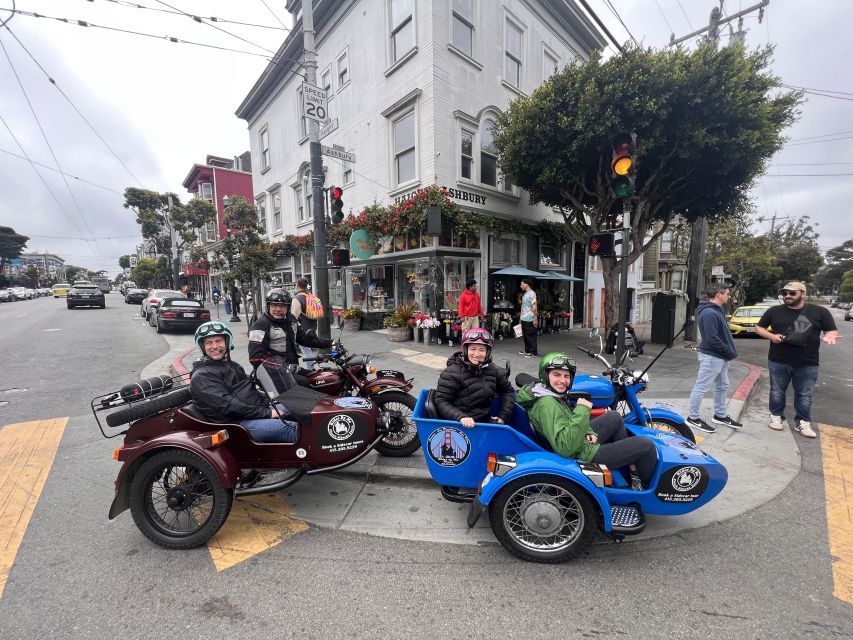
- Golden Gate Bridge views from a sidecar: prime sightlines without the usual crowd crush
- Jérôme’s neighborhood stories: Chinatown, North Beach, and more explained in a friendly way
- Photo pull-offs built into the ride: you get time to grab real memories, not blurry drive-bys
- A classic route loop: Union Square to Chinatown to Fisherman’s Wharf and back across the city
- Haight-Ashbury and Alamo Square: Victorian homes and that famous view moment
- Small group energy (max 10): more conversation, fewer people, easier pacing
Why a classic sidecar is the fastest way to see SF
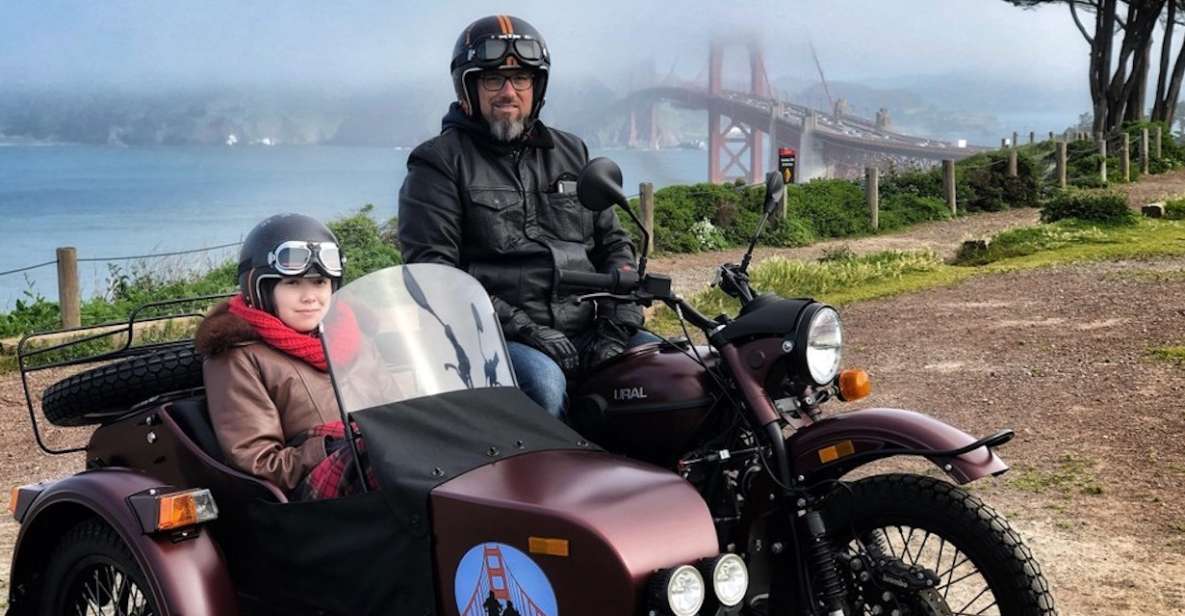
San Francisco can be a lot in a day. Hills, traffic, angles, and distances make it hard to cover key sights without burning hours in between. A sidecar tour is a practical fix: you get motion, views, and guided context in one smooth loop, all in about 3 hours.
I like this format because it keeps the energy up. You’re riding through the city instead of waiting for transit or splitting time between multiple tours. And the sidecar itself changes the feel—there’s an open, airy sense of perspective that makes the big overlooks and famous corners more memorable than standard sightseeing.
Also, this is a smart “first SF day” style activity. You get your bearings fast, then you can decide where you want to slow down later—whether that’s North Beach food streets, Chinatown alleys, or the neighborhoods around Haight-Ashbury.
You can also read our reviews of more tours and experiences in San Francisco.

Meet Jérôme and the kind of stories that stick
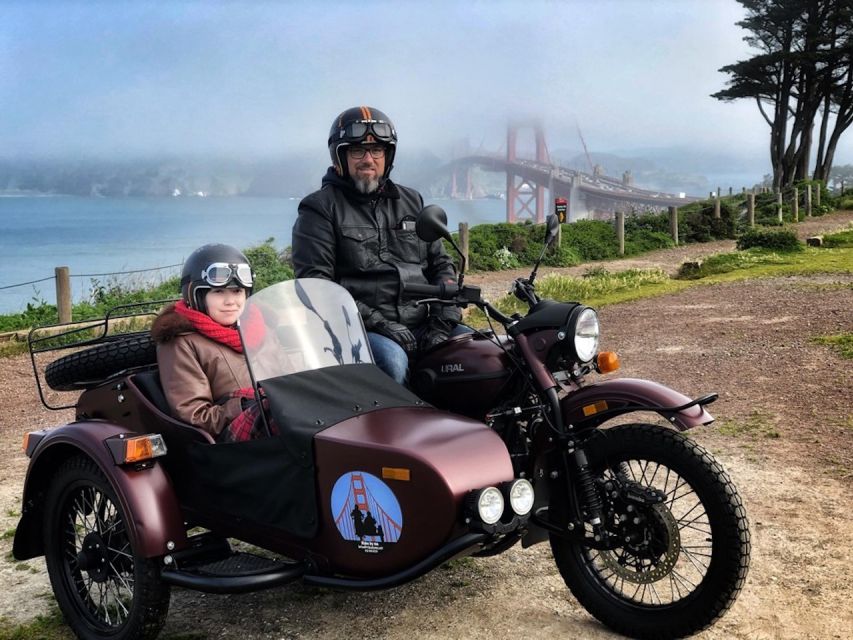
The guide makes a huge difference on any tour, and this one leans into that. With a live guide like Jérôme, you’re not just collecting names on a sign. You’re hearing the context—especially around Chinatown and North Beach—so the neighborhoods feel connected instead of random.
In a small group (limited to 10 participants), you can actually ask questions. I find that matters in San Francisco, where street grids, ethnic enclaves, and hills can look confusing if you only have a map. Jérôme’s approach also shows up in how he handles the ride: there are chances to pause for photos, and you’re not rushed through every stop like a checklist.
The best part is the balance. You get enough background to understand what you’re seeing, but the ride still feels like sightseeing—not a lecture.
Union Square and the city’s “starting point” vibe
Most sidecar loops need a clean starting anchor, and Union Square fits that job. You’ll visit the plaza at Union Square, which acts like a convenient orientation point for what comes next. Even if you’ve seen it from a distance, being on the route in real time helps you clock the city’s layout and style—who shops where, what streets connect, and what direction you’re actually heading.
Why it’s worth including: Union Square gives you a sense of contrast. Next you shift into neighborhoods with very different textures and identities—so it’s easier to notice changes in architecture, street life, and mood as you move.
Practical note: if you want shopping, this isn’t the moment for deep browsing. It’s about setting your bearings and getting rolling.
Chinatown’s streets and alleys—more than a quick pass
After Union Square, you head into Chinatown, where the tour focuses on its many streets and alleys. This is one of those areas where it’s easy to think you’ve “seen it” after a brief look—until you realize how much layout matters. Guided narration helps you connect the geography to the human stories that made the neighborhood what it is.
In my experience, Chinatown is where a good guide earns their keep. You’ll be better at spotting details when you understand what to pay attention to: the flow of streets, the density of the area, and why certain pockets feel built for everyday movement.
A sidecar makes this even better because you keep momentum while still getting enough guidance to feel oriented. It’s a good way to get the highlights without trying to plan a complicated self-walking route right away.
North Beach, Little Italy feel, and Italian culture on the move
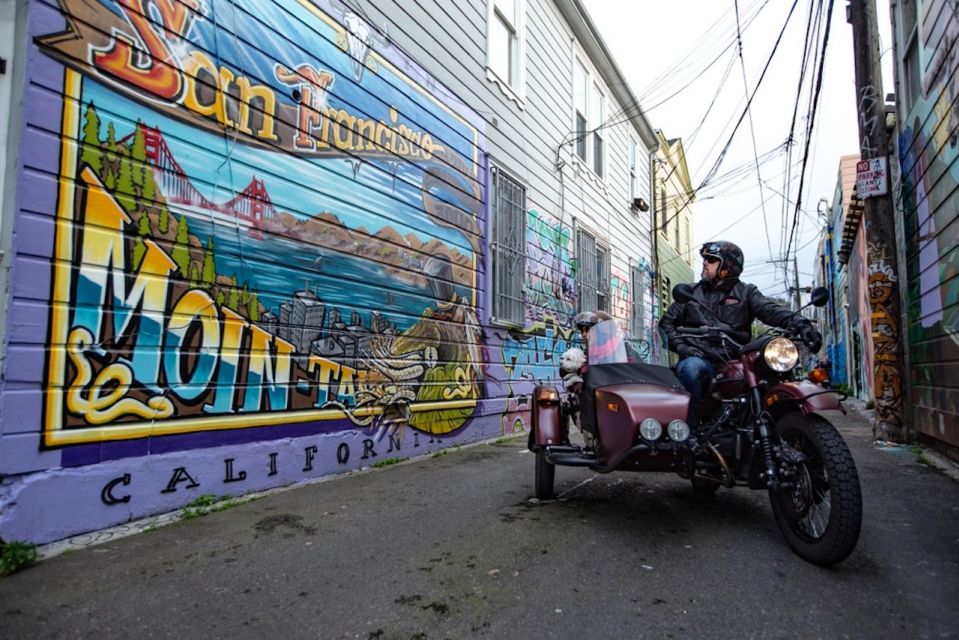
From Chinatown you move toward North Beach, including the Little Italy angle. This section works well because it’s a different kind of neighborhood energy—more outward-facing, more street-scene, and generally easier to read as you ride past.
This is also where a guided ride helps you catch what you might otherwise miss. If you only rely on headlines or a single photo of North Beach, you can end up walking into the wrong blocks. The tour’s pacing keeps you flowing through the key areas while the guide explains how the neighborhoods connect.
If you care about culture, North Beach is often the stop where you start noticing the small cues: signage, street layout, and the vibe of gathering places.





Coit Tower and skyline views—where the ride earns the hype
One of the tour’s big promise elements is that you’ll see Coit Tower as it rises above the skyline. You also get city views as you travel, which is where SF often surprises people. From street level, the city can look like steep repetition—until you catch a view corridor and suddenly it all clicks.
Why this matters on a 3-hour tour: you don’t have time to do long viewpoint detours. So it’s great when the route itself threads the skyline moments in a way that feels intentional.
Also, in an open sidecar setting, height and distance play differently. Even if you’re not an overlook fanatic, you’ll likely feel the view’s impact because you’re experiencing it as part of motion, not as a static photo line.
Lombard Street to Fisherman’s Wharf: hills, then water
Then comes one of the most famous SF stretches: the steep and windy road on Lombard Street. Yes, it’s touristy. But it’s also genuinely SF—tight turns, big gradients, and the kind of visual drama that makes the city memorable even if you’ve only seen it in clips.
Right after that, the tour shifts toward the waterfront at Fisherman’s Wharf, with time to enjoy the area and its souvenir shops. I like pairing Lombard Street with the Wharf because it creates contrast: sharp hillside visuals, then open water energy.
What to consider: Fisherman’s Wharf is not a quiet neighborhood. If you want solitude, this is the part of the day to expect a more commercial, visitor-friendly atmosphere. The upside is that it’s easy to enjoy without planning—especially for a first-time itinerary.
Golden Gate Bridge and Cliff House: the high payoff segment
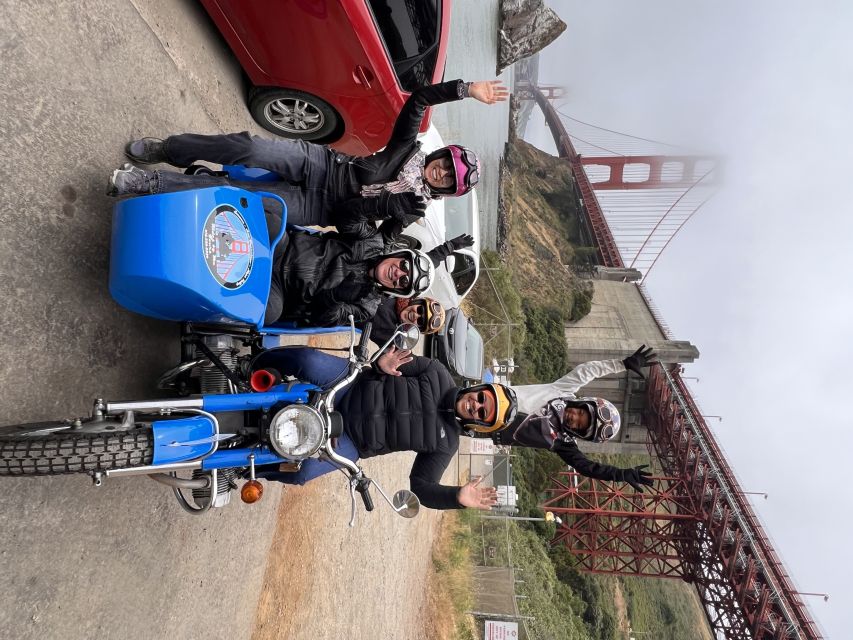
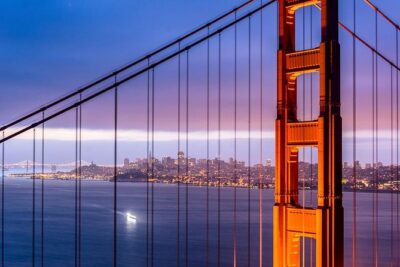
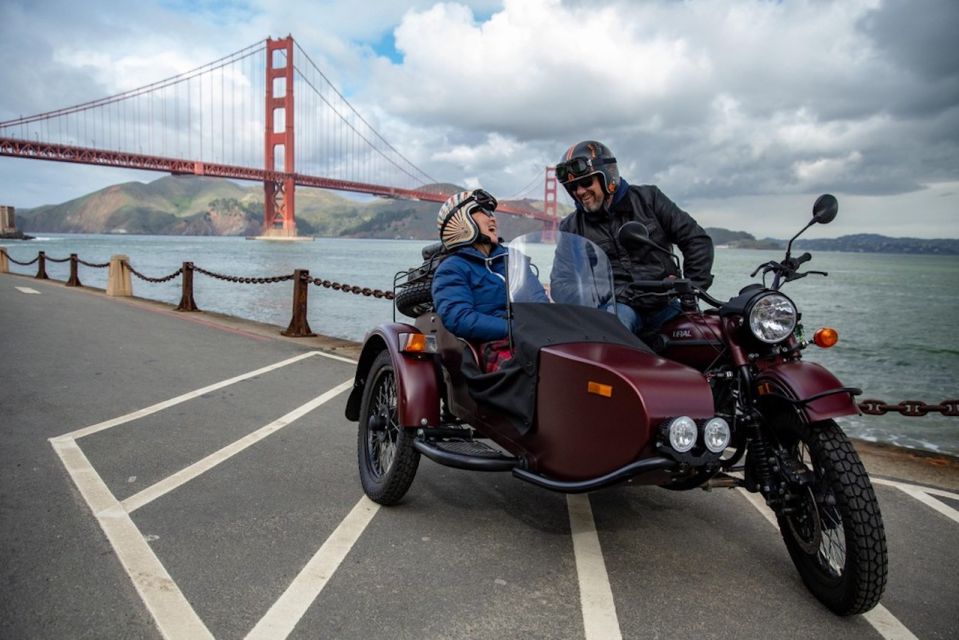
This is the segment you’ll probably remember most. You’ll go to the Golden Gate Bridge, and doing it seated in a sidecar makes the experience feel closer and more panoramic. The big idea isn’t only that you see the bridge. It’s that you experience it as a moving, scenic moment—your perspective changes as the route lines up.
After that, you’ll see Cliff House, perched above the cliffs, including its neo-classical architecture. Cliff House is one of those stops where you can look at the building itself and then instantly connect it to the coastline scenery around it.
Why it’s valuable: you get both a cultural/architectural landmark and a strong natural view. And because you’re guided, you’re less likely to miss details while also not spending time figuring out how to get there.
Haight-Ashbury and Alamo Square: Victorian streets and a famous view
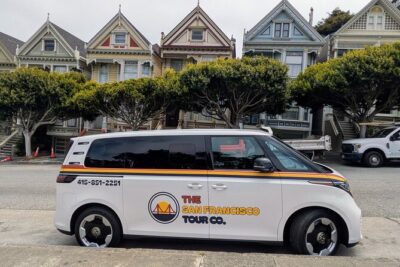
The last stretch heads into Haight-Ashbury, where you’ll see the colorful Victorian homes and soak in the vintage feel among the buildings. This is a neighborhood that can be hit-or-miss if you’re rushing, but guided context helps you see it as more than a photo backdrop.
Next up is Alamo Square. This stop is about the atmosphere and the classic “SF picture” moment that people come for. Even if you’re not chasing the exact angle, you’ll likely appreciate how the area frames the city’s identity.
What to keep in mind: Haight-Ashbury and Alamo Square can shift from interesting to crowded depending on timing. On a sidecar tour, though, the stop-and-go nature keeps it from turning into a long wait. You’re there for the experience, then you move on.
Price and value: does $260 make sense for a 3-hour ride?
At $260 per person for a 3-hour tour, you’re paying for three things that are hard to replicate yourself:
- Transportation in a classic sidecar, including the effort of navigating SF’s hills and route logic
- A live guide, who explains neighborhoods like Chinatown and North Beach while you ride
- A small-group format (limited to 10), which usually means less crowd friction and more interaction
What you’re not paying for: food and drinks. If you’re hungry, plan on eating before or after. This also means the tour can stay focused on sights and stories without turning into a half-meal event.
Is it worth it? If you want a single activity that covers major districts—Union Square, Chinatown, North Beach, Fisherman’s Wharf, Golden Gate Bridge, Cliff House, Haight-Ashbury, and Alamo Square—this price feels more reasonable than piecing together separate transit and multiple attractions. If you’d rather spend 3 hours walking one neighborhood at a slow pace, you might feel like you’re moving too fast.
Logistics that matter: pickup, timing, and what to bring
Pickup is included, and it’s limited to San Francisco—your hotel or Airbnb is part of the plan. You’ll need to wait outside your place you stay. This matters because you don’t want to lose time guessing where the driver is.
Duration is listed as 3 hours, and starting times depend on availability, so build your day around it rather than scheduling tight back-to-back plans.
Bring sunglasses. You’ll be in open air for parts of the ride, and SF can surprise you with bright glare.
Also, this is a vehicle tour. You’ll spend more time riding than stepping out for long periods. Think of it like a guided scenic drive with meaningful stops, not a walking tour where you control every step.
Comfort and limits: who should skip this ride
This sidecar tour isn’t suitable for everyone.
- Wheelchair users: not suitable
- Height restrictions: not for people over 6 ft 6 in (200 cm)
- It involves traveling on board a vehicle, so comfort with riding position and basic vehicle movement is important
If you’re tall, have mobility constraints, or prefer full walking freedom, look for a different format. If you fit the restrictions and you’re comfortable riding, the sidecar setup is exactly why the tour feels special.
A quick reality check: how to get the most from the ride
To enjoy this tour fully, show up ready to ride and ready to look.
You’ll get the best results if you:
- Wear sunglasses and dress for typical SF weather swings
- Keep your camera or phone accessible for photo pauses
- Ask Jérôme questions during the conversation windows, especially about Chinatown and North Beach history
One thing I like about this style of tour is that you don’t have to memorize every detail. If you’re paying attention, you’ll leave with a clear sense of the neighborhoods and what you want to revisit.
Should you book San Francisco: Rides by me Classic Sidecar tours?
Book it if:
- You want an efficient first-or-second day way to see major SF sights in 3 hours
- You like guided stories, not just photos
- You want Golden Gate Bridge and Cliff House views without complicated self-planning
- You enjoy small-group attention and chances to take photos
Skip it if:
- You’re dependent on wheelchair accessibility
- You’re over the 6 ft 6 in (200 cm) height limit
- You want a long walking day focused on only one neighborhood
- You’re planning to eat during the tour (food isn’t included)
If you want a San Francisco highlight reel with real neighborhood context, this sidecar format is a smart pick.
FAQ
How long is the sidecar tour?
The tour duration is 3 hours.
What does the tour cost?
The price is $260 per person.
Is pickup included, and where does it happen?
Pickup is included from your location in San Francisco, such as your hotel or Airbnb. You’ll need to wait outside where you’re staying.
What languages are available for the live guide?
The live guide is available in English, French, and Spanish.
How big is the group?
The group is small, limited to 10 participants.
Is food and drinks included?
No. Food and drinks are not included.
Is the tour wheelchair friendly?
No. The tour is not suitable for wheelchair users.
Can tall people join the tour?
There are height restrictions. People over 6 ft 6 in (200 cm) are not suitable.
(Optional) Cancellation
You can cancel up to 4 days in advance for a full refund.