REVIEW · SAN FRANCISCO
Self-Guided Audio Tour of the Golden Gate Bridge
Book on Viator →Operated by VoiceMap Audio Tours · Bookable on Viator
A world-famous bridge, explained for your walk. This self-guided GPS audio tour turns your stroll into a clear story about the bridge’s design and the people behind it, with an English narrator that keeps things moving. You get the kind of details that make the bridge feel less like a postcard and more like real engineering.
I especially like that you can download everything for offline use, so foggy signal problems don’t ruin your day. I also like the flexible format: you’re not stuck at a rigid tour time, and you can keep going at your pace as you reach each point.
One drawback to plan for: you need your own smartphone and headphones. And before you start walking, make sure you have what you need to launch the tour—when it fails, it tends to be a tech or access issue, not the content itself.
In This Review
- Key highlights to look for during your Golden Gate Bridge walk
- Getting Oriented at the Golden Gate Bridge Welcome Center
- The main cable stop: where engineering becomes visual
- Walking the bridge with Strauss and Morrow in your headphones
- Vista Point: your mid-route pause for views and context
- Ending at H. Dana Bowers Memorial Vista Point in Sausalito
- Price and value: what $7.99 buys you in real terms
- Timing that actually works: open hours and flexible pacing
- What to bring (so your day doesn’t turn into troubleshooting)
- Who this self-guided bridge walk is best for
- Should you book this Golden Gate Bridge audio tour?
- FAQ
- How much does the self-guided Golden Gate Bridge audio tour cost?
- How long does the tour take?
- Is the tour available in English?
- Does the audio and maps work offline?
- What do I need to bring with me?
- Where does the tour start and where does it end?
- What are the opening hours for the experience?
- Is this tour private for my group?
- Can I cancel for a full refund?
Key highlights to look for during your Golden Gate Bridge walk
- Welcome Center orientation so you know what you’re looking at before you step onto the bridge
- Main cable cross-section that shows the layered steel-wire engineering behind the suspension system
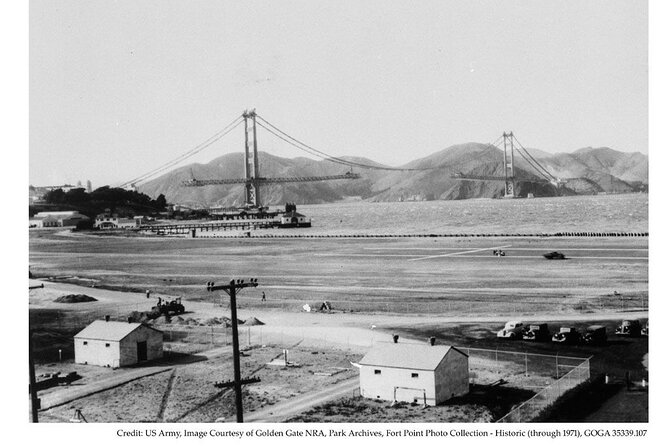
- Joseph Strauss and Irving Morrow brought into the walk with the Great Depression construction context
- Vista Point stop for wide bridge views plus a quick chance to pause for photos
- H. Dana Bowers Memorial Vista Point to end with skyline views and big-picture context, including the Gold Rush and the 1906 earthquake
- Offline audio + maps + geodata so you’re not hostage to cell service
Getting Oriented at the Golden Gate Bridge Welcome Center
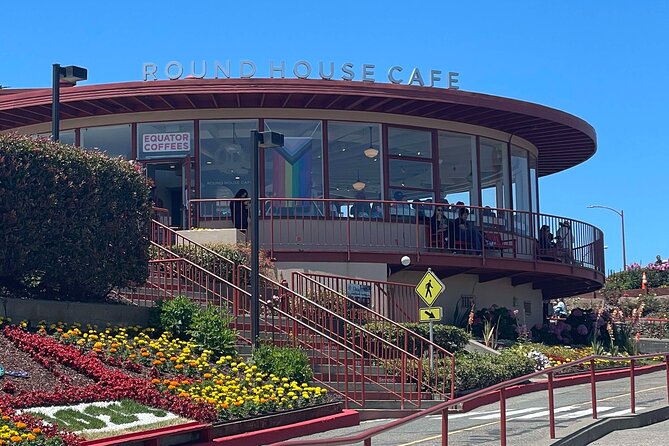
Your tour starts at the Golden Gate Bridge Welcome Center at Golden Gate Bridge Plaza. This first stretch matters because the bridge is huge, and it’s easy to walk it without really seeing why it looks the way it does. The audio sets you up with the big idea: it’s a suspension bridge, and its system is built to handle that long span and all the weather it gets.
As you listen, you’ll get straight answers about how the suspension design works in real terms—supporting forces, stability, and resilience. That early context makes the next parts click fast. Instead of just watching cables, you’ll be able to connect what you see to what the bridge is designed to do.
Practical note: this is also a good spot to take a breath before you commit to the walking rhythm of the bridge itself. If you tend to get a little turned around on first stops, starting here helps you get your bearings fast.
You can also read our reviews of more guided tours in San Francisco


The main cable stop: where engineering becomes visual
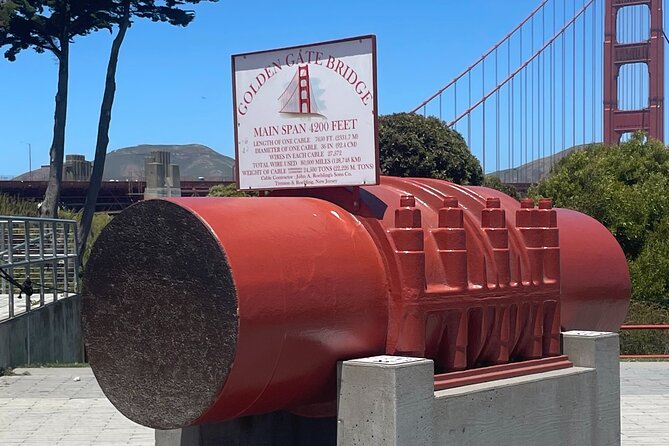
One of the most satisfying moments is the stop centered on a cross-section of the bridge’s main cable. This is the part many people skip because it doesn’t look as famous as the bridge towers. But the audio narration frames it like a puzzle: those layers of steel wires are the reason the bridge can be both strong and flexible.
What you should do here is slow down. Even if you’re moving at your usual walking pace, give your eyes a few seconds per layer as the audio explains what you’re seeing. The goal is not to memorize metallurgy; it’s to understand that the “cable” is not one simple rope-like object. It’s multiple systems working together, bundled into the cable shape you recognize from photos.
If you like technical explanations but don’t want a lecture, this is a sweet spot. The tone keeps things readable for regular visitors, not just engineers.
Walking the bridge with Strauss and Morrow in your headphones
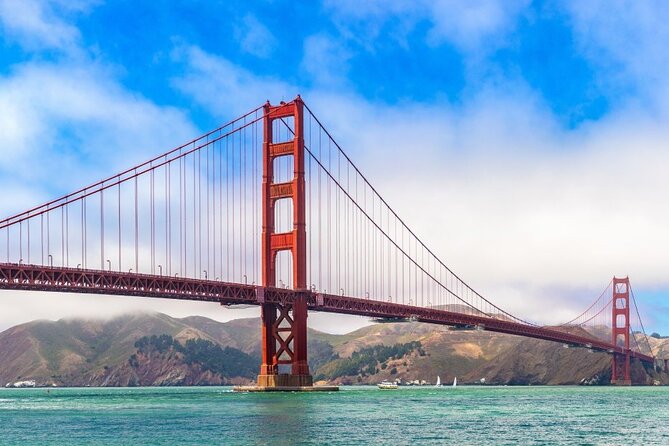
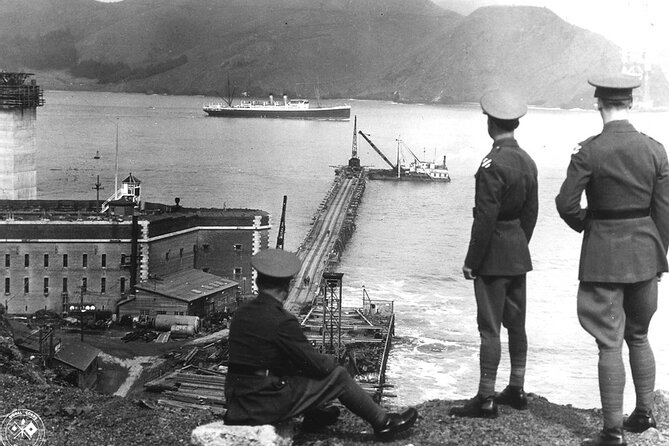
At the point where you walk across the bridge, the narration shifts from parts to story. You’ll learn how construction played out during the Great Depression, and you’ll hear about major design contributions associated with Joseph Strauss and Irving Morrow.
This stop is where the audio tour earns its keep. When you’re on the bridge, you can’t help but notice the scale—tower heights, cable tension, the distance over water. Without context, that scale stays abstract. With the narration, it becomes specific: you start linking the bridge’s features to the challenges builders faced when it was still being brought to life.
You’ll also be better prepared for what the experience feels like: a long, exposed walk where wind can do its own thing. The audio helps you stay focused on the bridge rather than drifting into boredom or mindless stepping. And if you’re traveling with kids, the narration style is built to keep attention from wandering.
Vista Point: your mid-route pause for views and context
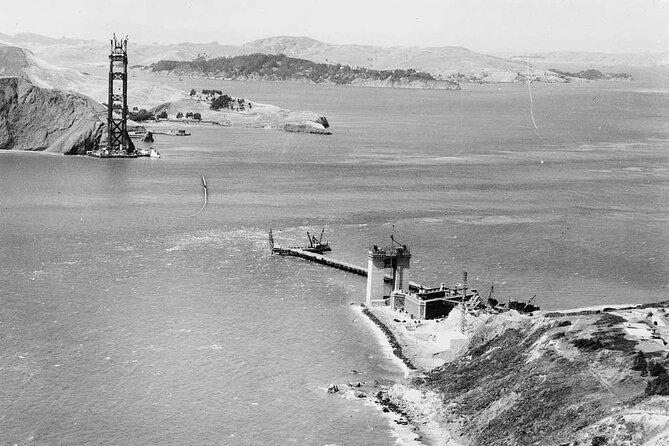
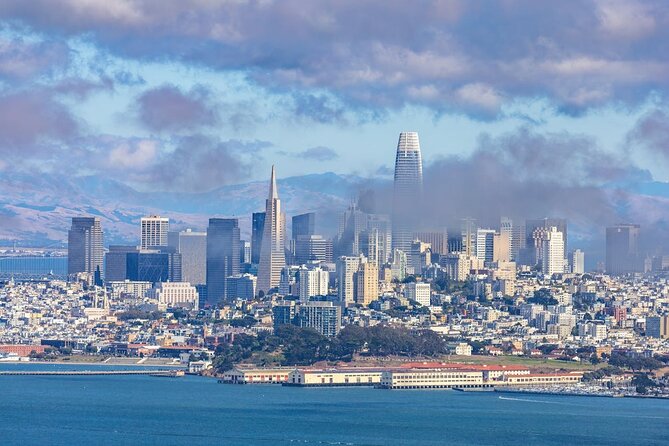
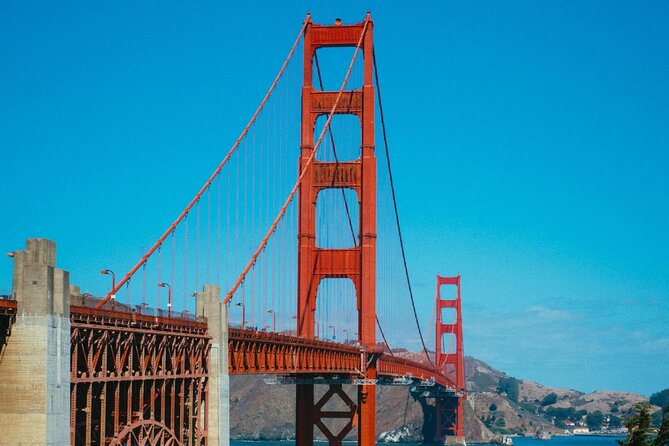
Next comes Vista Point, which is exactly what you want midway: a moment to stop, look, and reset your legs. The audio guides you as you take in sweeping views of the Golden Gate Bridge with San Francisco’s modern skyline nearby.
This is a good time to do two things:
1) Compare what you’re seeing from this angle to what you saw earlier around the Welcome Center and cable viewpoint.
2) Use the pause to decide how you’ll handle the remaining walk. If you’re tired, you can slow down here without feeling like you missed the “real tour.”
A small reality check: Vista Point can be crowded at peak hours, because it’s one of the obvious photo spots. If you want calmer moments, start earlier in your booked day window and let the crowds rise behind you.
Ending at H. Dana Bowers Memorial Vista Point in Sausalito
Your tour ends on the other side of the bridge at H. Dana Bowers Memorial Vista Point on Redwood Hwy in Sausalito. This matters because it changes the feeling of the day: you’re not just crossing the bridge and turning back the way you came. You’re finishing with wide, panoramic views of San Francisco and the surrounding landmarks.
The audio also gives you bigger-picture context as you take it all in. You’ll hear about San Francisco’s evolution from the Gold Rush onward, plus the impact of the 1906 earthquake. That historical framing works well here because you’re looking at the city from a distance. It’s easier to think about how things changed over time when you can see the whole layout in one view.
If you like to end with a clear visual payoff, this is the moment. Give yourself time here instead of rushing to the exit. A short pause can turn into a better photo and a more memorable ending.
You can also read our reviews of more tours and experiences in San Francisco




Price and value: what $7.99 buys you in real terms
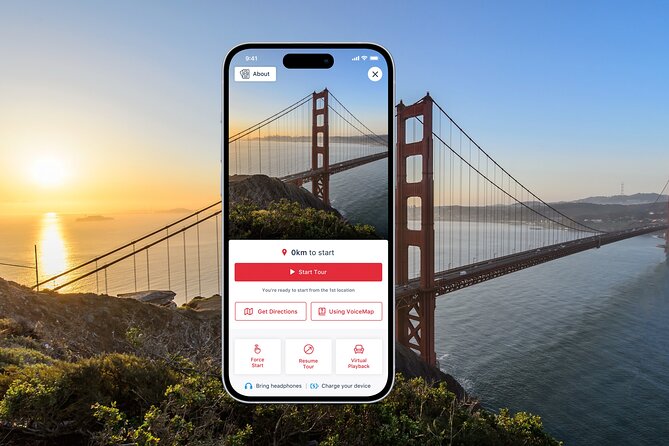
At $7.99 per person, this tour is priced like an inexpensive add-on that can still change how you experience a major landmark. The big value isn’t only the narration. It’s the lifetime access promise tied to your purchase period, plus the ability to use the tour with a self-guided GPS route.
Offline access (audio, maps, geodata) is also a value driver. In San Francisco, cell service can be moody. When you’re relying on your phone for guidance, offline support protects your time. You pay less than the cost of many guided experiences, and you still get a structured route and narration.
Duration is listed as about 1 hour to 1 hour 30 minutes, which makes it a good fit even if your day is already packed. And since it’s booked about 21 days in advance on average, I’d plan like it’s a popular walk—especially if you’re visiting in a busy season.
One more practical value point: the tour is designed for pacing you control. If you want to take longer at the cable cross-section or pause longer at Vista Point, you can.
Timing that actually works: open hours and flexible pacing
The stated hours are 5:00 AM to 6:30 PM, Monday through Sunday. That long window is helpful because the bridge is one of those places where morning or late afternoon can feel completely different. On a clear day, you’ll likely want early light. On a foggy day, you may prefer getting out sooner to catch any breaks.
The format also supports flexibility within your booked day. You can start at the time that fits your plan rather than waiting for a group. And you can pause and continue later, even picking up from a different spot if you need to adjust your schedule.
For planning, think of this as a guided route without a guide chasing you. You still get structure, but you keep control of when to speed up and when to linger.
What to bring (so your day doesn’t turn into troubleshooting)
This is the part that can make or break the experience, because the tour needs your device. You should bring:
- your smartphone
- your own headphones (not provided)
- a charged battery, since you’ll be using the app and GPS route
Also, make sure you have the tour access in place before you walk away from the starting area. One unhappy experience reported that they never received the information needed to launch the tour, which can happen if you miss an email or can’t locate your code in time. If that’s the case, contacting support to resend access is the fix.
If you want the day to go smoothly, do a quick test at the start: open the app, confirm audio works, and confirm the map route is loading before you step onto the bridge walk.
Who this self-guided bridge walk is best for
This is a strong pick if you want a meaningful experience without committing to a tour group schedule. It works well for:
- couples and solo travelers who like structure but want control
- families with kids, since the narration style is designed to stay interesting
- travelers who prefer learning at their own pace, with stops timed to natural viewpoints
It may be less ideal if you hate relying on apps for wayfinding. Even though it’s self-guided, it still assumes you’ll follow along with the GPS prompts.
It’s also good to know it’s offered as a private activity, so only your group participates. That can help if you’re trying to move at a calmer pace than a standard group tour.
Should you book this Golden Gate Bridge audio tour?
Yes—if you’re planning to walk the bridge and you want more than the usual photo-op, this is a smart buy. The $7.99 price makes it easy to add without guilt, and the offline audio plus structured stops keeps it useful even when conditions aren’t perfect.
I’d book it if:
- you want clear explanations at the Welcome Center, cable cross-section, and viewpoints
- you like the idea of learning while walking at your own speed
- you’ll actually bring headphones and use your phone confidently
I wouldn’t book it if:
- you don’t plan to bring headphones or you’ll struggle with app setup on travel days
- you want a human guide answering questions live (this is narration, not Q&A)
If you can handle the basics—phone, headphones, and following the GPS—you’ll walk away with a bridge you understand, not just one you photographed.
FAQ
How much does the self-guided Golden Gate Bridge audio tour cost?
It costs $7.99 per person.
How long does the tour take?
Plan for about 1 hour to 1 hour 30 minutes.
Is the tour available in English?
Yes, the tour is offered in English.
Does the audio and maps work offline?
Yes. You get offline access to audio, maps, and geodata.
What do I need to bring with me?
The tour does not include a smartphone or headphones, so you’ll need both.
Where does the tour start and where does it end?
It starts at the Golden Gate Bridge Welcome Center (Golden Gate Bridge Plaza, San Francisco, CA 94129) and ends at H. Dana Bowers Memorial Vista Point (Redwood Hwy, Sausalito, CA 94965).
What are the opening hours for the experience?
The hours are 5:00 AM to 6:30 PM, Monday through Sunday.
Is this tour private for my group?
Yes. It’s listed as private, so only your group will participate.
Can I cancel for a full refund?
Yes. You can cancel up to 24 hours in advance for a full refund.