REVIEW · SAN FRANCISCO
San Francisco LGBTQ Walking Tour with Local Guide
Book on Viator →Operated by Cruisin' The Castro Walking Tours · Bookable on Viator
San Francisco’s Castro has a pulse you can feel. This LGBTQ walking tour turns neighborhood landmarks into real stories, from civil rights and the AIDS era to today’s activism. You’ll also get a rare mix of big names and specific places, so it’s not just dates on a sign.
I especially like Kathy’s long-time local perspective and humor. The way she connects the streets to the people who fought for safety and visibility makes the whole walk feel personal, not like a lecture. I also like that the tour hits memorials and art you can actually see—like the Rainbow Honor Walk—so you leave with images in your head, not just facts in your notebook.
One thing to consider: this is a walking tour, so if you prefer sitting every few minutes, you’ll want to plan for stops and breaks. The route uses public walkways that are wheelchair accessible, but it’s still best for people who can comfortably do a couple hours on their feet.
Key highlights that make this tour worth your time
- Harvey Milk sites including his home area, photo shop, and campaign headquarters
- Pink Triangle Memorial Park and the meaning behind its symbolism
- Rainbow Honor Walk Project moments you can see right on the street
- AIDS Quilt Names Project original site linked to names and remembrance
- A small group limit (max 2 travelers) for more back-and-forth
- A guide who’s a local historian/community activist with decades in the neighborhood
In This Review
- The Castro as a real-life classroom (not a museum stroll)
- Meet Kathy and get the kind of story that sticks
- Starting at 400 Castro St: a simple meeting point that helps
- The Castro Theatre and the neighborhood origin story
- Harvey Milk stops: where politics became personal
- Harvey Milk Plaza: the rainbow flag story and the sense of place
- Pink Triangle Memorial Park and Rainbow Honor Walk: remembrance in public space
- AIDS Quilt Names Project: the weight of names
- The Human Rights Campaign Action Center: history that keeps working
- Timing and pacing: expect about 2 hours of intentional stops
- Price and value: why $40 can make sense here
- Who this tour fits best (and who may want a different plan)
- When to book: this one moves
- FAQ
- FAQ
- How long is the San Francisco Castro LGBTQ walking tour?
- What does the tour cost?
- Where do I meet the guide?
- What time does the tour start?
- Is the tour offered in English?
- Does it run in bad weather?
- Is it refundable if I cancel?
- Is the group size large?
- Should you book this Castro LGBTQ walking tour?
The Castro as a real-life classroom (not a museum stroll)
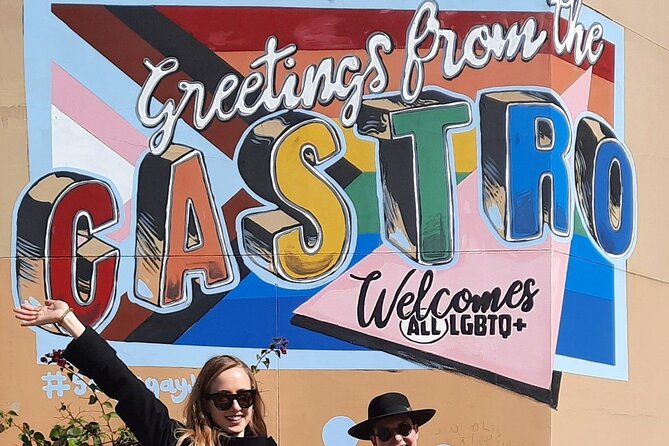
The Castro isn’t stuck in the past. It still works as a meeting place, a political symbol, and a living neighborhood where history shows up in architecture, murals, plaques, and the sheer shape of the street life.
What I like about this tour is that it treats the neighborhood like an open-air timeline. You start with the Castro itself—how it got its name and what you’re looking at when you see the big landmarks. Then the story sharpens around specific turning points, especially the fights for civil rights and visibility.
This is also a good “first SF neighborhood tour” if you want context. If you only visit a few famous spots on your own, it’s easy to miss the why behind everything. On this walk, you’ll get the backstory that makes later stops in San Francisco hit harder.
Meet Kathy and get the kind of story that sticks
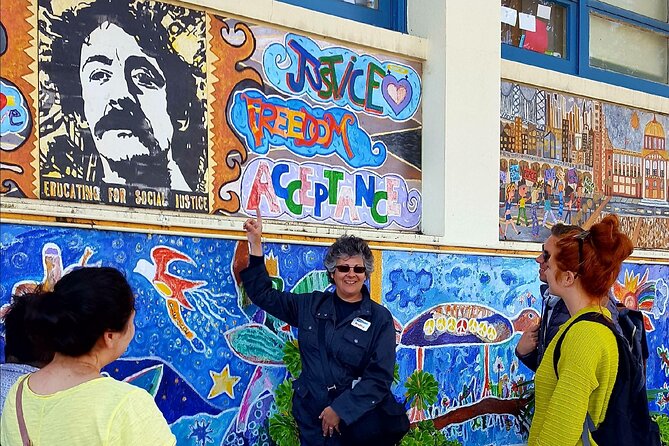
Cruisin’ The Castro Walking Tours is led by a long-time local resident who works as a historian and community activist. In practice, that matters because you’re not just hearing facts—you’re getting street-level perspective.
Kathy (who often leads the tour) is repeatedly described as funny, warm, and deeply involved in the community. That combination is what makes the tour feel less like you’re being processed through a checklist and more like someone is showing you the neighborhood with care. She’s also known for connecting what happened then to what still isn’t equal today, including issues tied to employment, housing, and public accommodations.
Small group size is another big practical advantage. With a maximum of 2 travelers, it’s much easier to ask questions, get clarification, and pace your participation. You’re less likely to feel “lost in the crowd,” and more likely to feel like the guide is tailoring explanations to the questions you actually have.
You can also read our reviews of more walking tours in San Francisco

Starting at 400 Castro St: a simple meeting point that helps
You meet at 400 Castro St and the tour ends at the same address. The start time is 10:00 am, and the tour runs about 2 hours.
Why I like this setup: in San Francisco, wandering without a plan can turn into wandering a lot. A single, easy meet/end point keeps your day smooth, especially if you’re lining up other activities in the area. It’s also near public transportation, so you’re not forced into a car or complicated transit connections.
You’ll use a mobile ticket, and the tour is offered in English. That makes it straightforward if you’re traveling with limited time for phone setup, since you won’t need to hunt down paper tickets.
The Castro Theatre and the neighborhood origin story
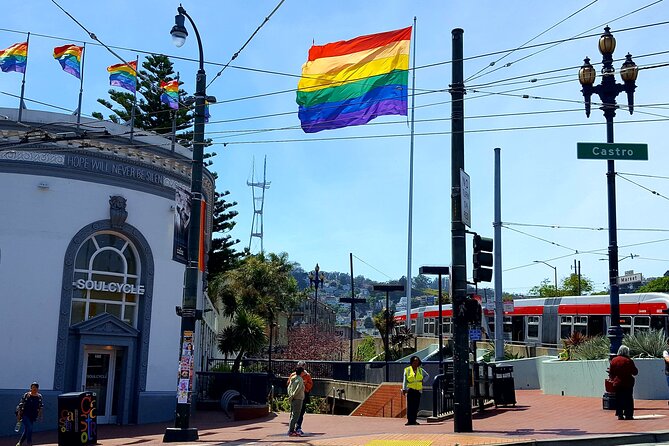
Early on, you’ll pass through the Castro’s visual backbone: the Castro Theatre, known for Spanish Colonial Baroque architecture. Even if you’ve seen photos of this building, it lands differently when you’re standing in front of it and hearing how the neighborhood identity grew around LGBTQ community presence.
You’ll also hear how the district got its name. That’s not just trivia. It frames the rest of the walk by showing how a place becomes a symbol—then how that symbol gets reinforced through daily life, media, and activism.
This section is a good warm-up if you’re new to the Castro. It helps you look at storefronts and street corners with meaning, instead of just walking past them.
Harvey Milk stops: where politics became personal
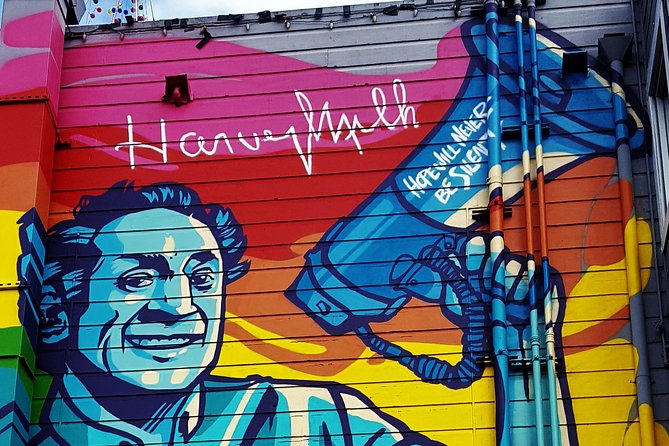
Harvey Milk is one of the central threads of this tour, and you’ll get multiple stops tied to his life and impact. You’ll see the area that connects to his home, his photo shop, and the campaign headquarters where his political efforts took shape.
This is also where the tour’s emotional payoff starts to build. Milk’s story isn’t delivered as a distant legend. It’s explained in a way that shows why visibility mattered so much—why being openly gay in public office was not just a personal milestone, but a civil rights moment.
A couple of practical notes help here. First, the tour doesn’t rush every location. You get a structured visit at Harvey Milk Plaza, where you’ll also learn how the rainbow flag was created. Second, the guide’s tone tends to keep it human. You’re not just learning what happened—you’re understanding why it changed things.
Harvey Milk Plaza: the rainbow flag story and the sense of place
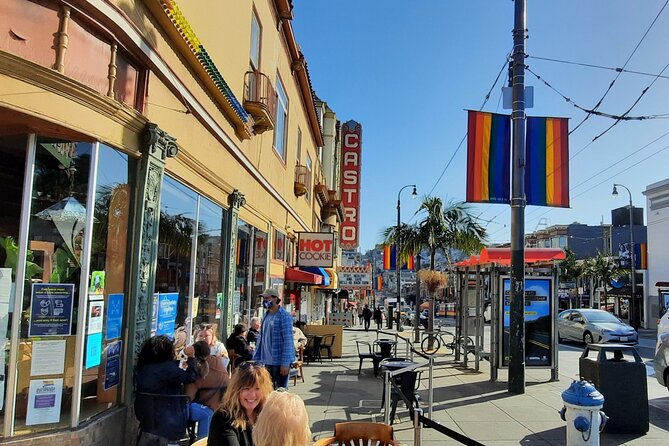
At Harvey Milk Plaza, you’ll spend about 20 minutes. This stop is built around the origin of the rainbow flag and Milk’s role as the first openly gay male politician to serve in public office in the United States.
That combination is powerful. The rainbow flag can feel like a simple symbol until you learn the intent behind it. Once you understand how the symbol was created to communicate identity and solidarity, the flag makes more sense wherever you’ve seen it—on streets, in parades, and at events.
If you’re the type who likes to take a few photos, this is also the stop where you’ll want to slow down. Don’t just snap and move. Look at the surroundings too. The plaza works as a visual anchor for the rest of the walk.
You can also read our reviews of more guided tours in San Francisco



Pink Triangle Memorial Park and Rainbow Honor Walk: remembrance in public space
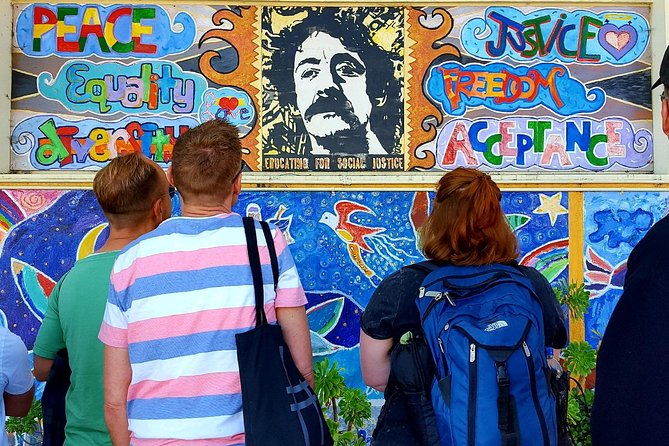
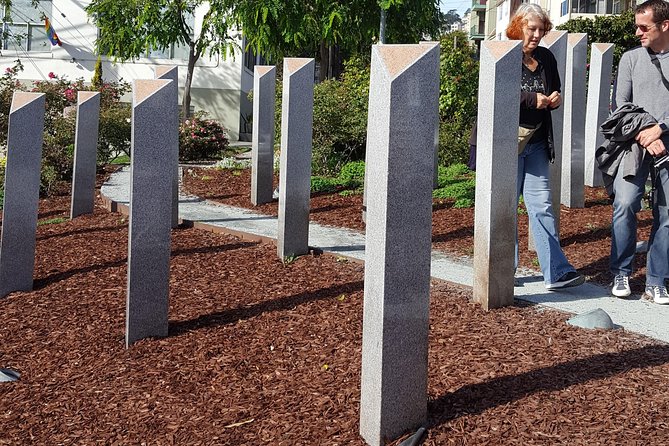
Two of the tour highlights are Pink Triangle Memorial Park and the Rainbow Honor Walk Project. These stops do important work because they use art and memorial design to teach you without heavy-handedness.
The Pink Triangle Memorial Park ties into how the pink triangle became a symbol tied to persecution and survival. You’ll see it as more than a logo—it’s part of a physical landscape of remembrance, placed where you can encounter it on an everyday walk.
Then comes the Rainbow Honor Walk Project, which uses names and tributes to mark contributions and celebrate community heroes. It’s the kind of site where you can literally read your way into understanding. If you like historical details, this stop will keep pulling you forward because there’s always another name, another story behind a name.
These memorial moments are also why this tour feels different from generic city walks. You’re not only learning about LGBTQ activism. You’re seeing how activism leaves lasting marks in the built environment.
AIDS Quilt Names Project: the weight of names

Another standout is the AIDS Quilt Names Project original site. This stop shifts the tour into the AIDS epidemic era, where the theme becomes survival, loss, and the necessity of care and activism.
For me, the value here is that you’re reminded the AIDS crisis wasn’t abstract. The quilt tradition is strongly connected to names and remembrance. Seeing the dedicated site gives the story a concrete place to land.
This stop can hit emotionally, even if you’ve read about AIDS activism before. It’s not designed to be dramatic for drama’s sake. It’s designed to keep you in the frame: names matter. Lives mattered then—and they matter now.
The Human Rights Campaign Action Center: history that keeps working
Near the end of the tour, you’ll visit the Human Rights Campaign Action Center and Store. The site matters because it’s connected to Harvey Milk’s original camera shop and later became campaign headquarters.
That’s a neat historical loop: a place that served a business purpose also became a base for organizing and action. You’ll learn how it connects to today’s questions about unequal rights in areas like employment, housing, and public accommodations.
You’ll also hear how the action center continues the broader mission. You’re not ending with a closed chapter. You’re ending with a reminder that the issues don’t stay safely in the past.
This is also a good stop for people who want to balance emotion with a sense of momentum. It’s a quiet reminder that activism can be ongoing, practical, and local.
Timing and pacing: expect about 2 hours of intentional stops
The walking time is about 2 hours total. The pace feels designed for learning, not sprinting. You’ll likely have enough time at key locations to read, look around, and take short photo moments without feeling like you’re constantly hustling.
The guide also appears to keep the tone light at times. Humor comes through in the stories, which helps if the subject matter starts feeling heavy. It’s a smart approach for a tour that touches persecution, crisis, and political battles.
Public walkways are described as wheelchair accessible, and service animals are allowed. Most people can participate, and the route staying in and around major points in the Castro makes this a practical choice if you’re building a day around neighborhood exploring.
Price and value: why $40 can make sense here
At $40 per person for around 2 hours, this tour prices similarly to many focused walking tours in San Francisco. The key difference is what you get inside those two hours.
You’re paying for:
- A local guide with a long-term commitment to the community
- Several high-importance stops tied to LGBTQ civil rights and memorial work
- Time at sites that are not just pretty landmarks, but meaning-heavy places like Pink Triangle Memorial Park and the AIDS Quilt Names Project original site
Because the group is capped at 2 travelers, the guide’s attention can feel more personal than on bigger tours. That makes the value better if you’re the type who asks questions, or if you want to understand how each landmark connects to the bigger story.
Also, the company includes admissions/ticket time for key parts of the walk (based on the structure of the stops), which reduces the hassle of figuring out separate tickets on the fly.
Who this tour fits best (and who may want a different plan)
This tour is a strong match if you:
- want a first serious look at Castro LGBTQ activism
- care about Harvey Milk and how the rainbow flag story fits into a broader movement
- like walking tours where you’re actually learning why places matter
- prefer small groups and conversation-friendly pacing
If you’re someone who mostly wants nightlife vibes or views only, you might find the political and memorial content heavier than you expected. But if you want context for why the Castro became what it is—and why it still matters—this is exactly the kind of tour that gives you that foundation.
It also works well for families and mixed-age groups, since the storytelling tone is described as funny and inclusive, not stiff.
When to book: this one moves
This tour is commonly booked about 29 days in advance on average. That’s a useful clue: if your SF dates are fixed, don’t wait until the last minute.
Also, the tour operates rain or shine, but it still depends on weather conditions. If it’s canceled due to poor weather, you’ll be offered an alternative date or a full refund.
FAQ
FAQ
How long is the San Francisco Castro LGBTQ walking tour?
It runs about 2 hours.
What does the tour cost?
The price is $40.00 per person.
Where do I meet the guide?
Meet at 400 Castro St, San Francisco, CA 94114, and the tour ends at the same address.
What time does the tour start?
The start time listed is 10:00 am.
Is the tour offered in English?
Yes, it is offered in English.
Does it run in bad weather?
The tour operates rain or shine, and if it’s canceled due to poor weather, you’ll be offered a different date or a full refund.
Is it refundable if I cancel?
This experience is non-refundable and cannot be changed for any reason.
Is the group size large?
No. The tour has a maximum of 2 travelers.
Should you book this Castro LGBTQ walking tour?
If you care about LGBTQ history that you can see with your own eyes, this is an easy yes. You’re getting multiple high-impact stops—Harvey Milk sites, Pink Triangle Memorial Park, the Rainbow Honor Walk, and the AIDS Quilt Names Project—all connected by a guide who brings long-time local perspective, humor, and a clear sense of why these stories still matter.
Book it if you want your Castro visit to feel grounded and meaningful. Skip it only if you want a light, purely scenic stroll with zero political context.