REVIEW · SAN FRANCISCO
Chinatown Walking Tour: Food, History & Flavor
Book on Viator →Operated by Local Tastes of the City Tours · Bookable on Viator
San Francisco’s Chinatown rewards slow steps. This small-group walk mixes food tastings and local history, starting at the Dragon Gate and ending near Jackson St. You also get stops like the Golden Gate Fortune Cookie Factory and a tea presentation that turns snack time into cultural context.
I especially like how the tour is designed to feel like a real meal, not just a sampling parade. The tastings add up to a traditional Chinese lunch feel, with items such as dim sum and BBQ pork buns.
One consideration: if you’re a food-only person, the balance may feel more history-and-culture than full-on foodie overload, and there can be a line factor at the fortune cookie stop.
In This Review
- Key takeaways before you go
- Dragon Gate to the first bites: the tour’s smart start
- Tastings that actually feel like lunch, not snacks
- Golden Gate Fortune Cookie Factory: watching the snack being made
- Stockton Street markets: herbs, produce, and how locals shop
- Tea tasting: learning the flavor language (and getting to taste)
- The history thread: immigration, resilience, and why the stories matter
- Guides and pacing: why small groups make a difference
- Price and value: does $86 buy enough food and meaning?
- Who this tour suits best (and who might want a different plan)
- Practical tips to get the most from your Chinatown walk
- Should you book this Chinatown walking tour?
Key takeaways before you go

- Dragon Gate start: You begin at San Francisco’s most iconic entry point to the neighborhood.
- Lunch-style tastings: Dim sum, BBQ pork buns, pastries, and more add up to a satisfying outing.
- Golden Gate Fortune Cookie Factory: You see cookies made and get to sample them.
- Stockton Street market time: You’ll shop-style wander through daily produce and herb stalls.
- Tea presentation: A family-run shop explains tea habits and flavors in plain language.
- Small group pace: Max 15 people or fewer, with time for questions (and some hills).
Dragon Gate to the first bites: the tour’s smart start
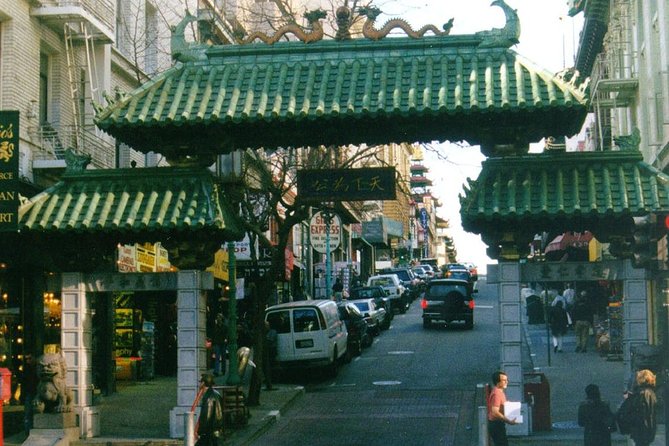
The tour kicks off at 400 Grant Ave by the Dragon Gate, which is the perfect “okay, you’re really here” moment. From the start, the walking route nudges you away from only the busiest main drag and into the narrower lanes where Chinatown’s everyday rhythm shows up.
I like that the first phase immediately links place to food. You’ll hear stories as you go, then you’ll taste before your brain fully settles in. That matters in Chinatown, where the sights move fast and it helps to have a guide giving you a framework.
You’re also dealing with real walking terrain. Expect some slopes, and plan on comfort shoes. The route is kept manageable, but you are still in San Francisco.
You can also read our reviews of more walking tours in San Francisco

Tastings that actually feel like lunch, not snacks
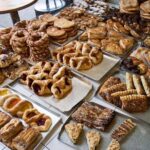
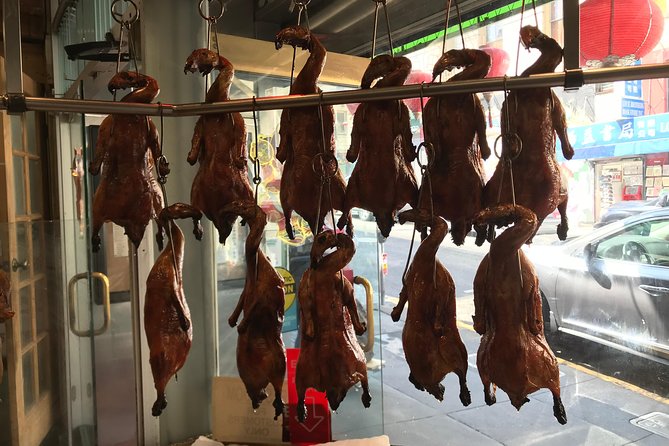
The biggest value of this tour is that the tastings stack up into a full lunch experience. The mix is built around classic Chinatown favorites, including dim sum and BBQ pork buns, plus other Chinese bakery and savory treats along the way.
Here’s the practical part: a lot of walking food tours give you a bite here and a sip there. This one is structured so you leave feeling fed. Tea is part of it too, so you aren’t hunting for your own drink between stops.
Some departures can include slightly more special items beyond the obvious menu picks. Depending on the guide and timing, you might get off-menu dishes or a standout noodle stop that people talk about. Either way, the tastings are meant to be varied enough that you’re not eating the same flavor profile three times.
Golden Gate Fortune Cookie Factory: watching the snack being made
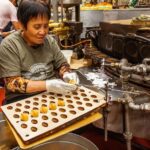
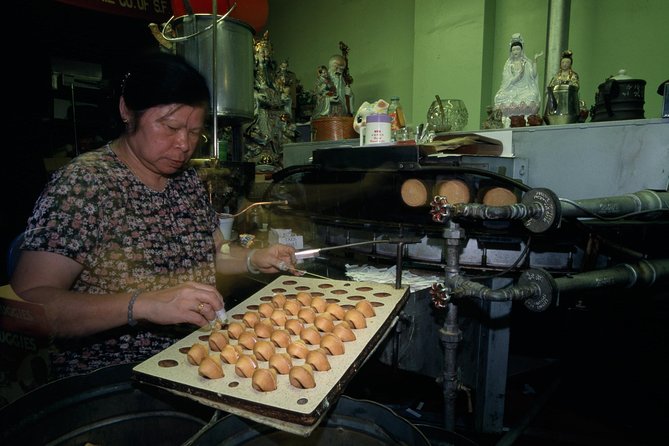
A highlight is the stop at the Golden Gate Fortune Cookie Factory, where you can see fresh fortune cookies made before you taste them. It’s a fun break in the middle of a walking day, and it adds a bit of show-and-tell to what could otherwise be just another dessert stop.
The main thing to know is the line reality. On busy days, the group may miss that stop if lines run long. If you’re the type who plans around a specific attraction, keep this in mind and be flexible with expectations once you’re on the street.
Still, even if your schedule compresses a bit, the factory stop is the kind of Chinatown detail that’s hard to replicate on your own without knowing exactly where to go and when.
Stockton Street markets: herbs, produce, and how locals shop
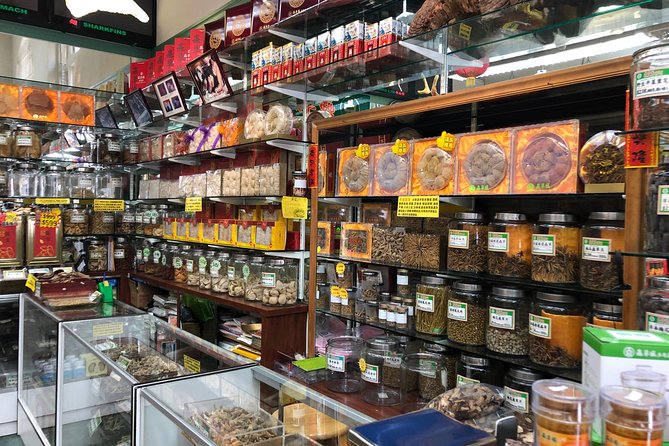
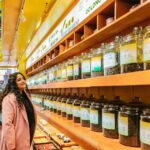
One of the most useful parts of the route is Stockton Street, where the tour leans into the daily market world. You’ll have time to browse specialty herbs, produce, and other ingredients that you’d typically walk past without a second look.
This is where the tour’s “small-group” format helps. With fewer people, you can slow down enough to actually notice the packaging, the herbs, and the way vendors describe what they sell. If you like cooking, this market stop is a stronger memory than another photo at a landmark.
Also, Chinatown shopping is tied to the stories you hear on the walk. The guide connects the neighborhood’s immigration roots and Gold Rush-era origin story to what you’re seeing now on the shelves.
Tea tasting: learning the flavor language (and getting to taste)
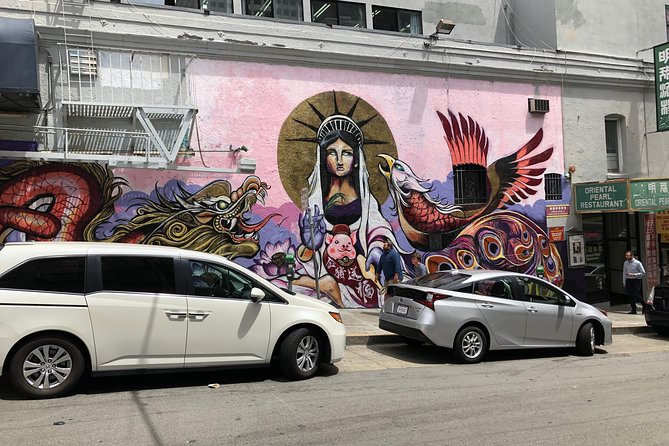
The tour closes out with a tea tasting that explains Chinese tea culture and gives you a chance to sample different varieties. Tea stops are often treated like a sidebar on food tours. Here, it’s built as a real segment with instruction, which is why it tends to stick in people’s minds.
In practical terms, you’ll learn what tea looks for in flavor and aroma, not just how to sip it. And if the host has a playful style, that can turn the final stretch into the most relaxing part of the day.
If you’re deciding between tours, this is a point in the itinerary that can change how the whole experience feels. Tea tasting adds a calm, reflective break while still keeping your day rooted in Chinatown’s food culture.
You can also read our reviews of more food & drink experiences in San Francisco

The history thread: immigration, resilience, and why the stories matter
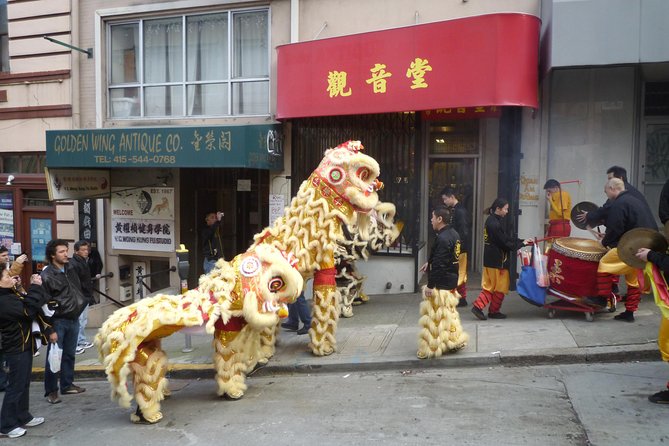
Chinatown history can be taught like a textbook, with dates sliding by. This tour aims for stories you can feel while you walk: immigration patterns, resilience, and tradition. The guide connects the neighborhood’s early Gold Rush connections to how Chinatown grew into a major cultural landmark.
I like this approach because it keeps the information tied to the physical place. You’re not just hearing trivia. You’re learning why certain corners, businesses, and community spaces exist—then you see them, then you eat.
Some guides also add extra layers, like pointing out details related to plants and horticulture around the neighborhood. That kind of commentary turns “I’m walking in Chinatown” into “I’m noticing Chinatown.”
Guides and pacing: why small groups make a difference
This tour runs with a maximum group size of 15 travelers or fewer, and that shapes everything. You get a steady pace that covers multiple spots without turning into a sprint. It also leaves room for questions, which is huge in a neighborhood where names, foods, and customs can be unfamiliar.
The guides are a big reason the tour earns consistently high scores. Names that show up often include Ryan Curtis, Andre, Scott, Isabella, Cynthia, Brian, and David. Across these guides, the pattern is the same: people respond to both the storytelling and the friendly, engaged way they manage the walk.
Another practical detail: some tours may catch local events while you’re out. That can make the streets feel extra alive, and it’s usually handled smoothly by the guide who knows what to do with changing street scenes.
Price and value: does $86 buy enough food and meaning?
At $86 per person for about 3 hours, this is not a bargain snack crawl. But it also isn’t just “pay for a guided stroll.” For that price, you’re getting a structured route with multiple tastings that add up to lunch, plus tea, plus a hands-on fortune cookie stop.
Here’s how I’d think about value before booking:
- If you’d pay for lunch plus a guided experience anyway, the math often works out.
- If you mainly want to taste a few things and wander without guidance, you may find it pricier than doing Chinatown on your own.
- If you want the cultural context—why foods matter, how the neighborhood formed, and how tea culture fits in—this price becomes easier to justify.
One more point: demand is steady. It’s commonly booked around a month out (about 24 days in advance on average), so last-minute planning can be harder than usual.
Who this tour suits best (and who might want a different plan)
This tour is a strong match if you want:
- A guided introduction to Chinatown that includes both landmarks and everyday food
- A day where you feel fed without needing to make decisions every stop
- Tea culture plus classic Chinatown flavors, not just one or two dishes
- A pace that works for most people, with only limited steep walking stretches
It may be less ideal if you’re the type who wants:
- Only the most intense food focus, with minimal history
- A guaranteed fortune cookie factory slot on the exact day you book (lines can interfere)
- A strict dietary requirement around nuts, since nut allergies cannot be accommodated
Practical tips to get the most from your Chinatown walk
First: go in hungry. With multiple tastings and tea, you’ll do best if you don’t start the day with a heavy breakfast that already fills you up.
Second: wear shoes that handle hills and uneven pavement. Chinatown streets look charming, but they’re still real sidewalks with climbs.
Third: bring curiosity. When your guide invites questions, ask about the food you’re tasting. That’s when the history and customs usually click, especially with tea.
Finally: be flexible with timing. The best tours don’t feel rigid. If the fortune cookie factory gets delayed by lines, you’ll still be moving through the planned Chinatown story arc.
Should you book this Chinatown walking tour?
Yes—if you want a guided, lunch-style Chinatown experience that connects flavors to place. The combination of Dragon Gate start, multiple tastings, a fortune cookie production stop, market wandering, and a real tea presentation is a solid package for a first visit.
I’d skip or rethink it if you’re strictly food-only, have a nut allergy, or you’re traveling on a schedule where one timed stop (like the fortune cookie factory) must happen no matter what. If that’s you, consider building your own Chinatown meal plan and adding tea somewhere separately.
If your goal is to leave Chinatown feeling like you understand it a bit more—what you ate and why—this is an easy yes.