REVIEW · SAN FRANCISCO
SF’s Chinatown: Tea & Dim Sum Food Tour – Includes full meal, 3hr
Book on Viator →Operated by Stretchy Pants LLC · Bookable on Viator
A few bites in, Chinatown grabs your attention. This 3-hour tea and dim sum food tour mixes real stops, street-level stories, and a tea tasting that turns an ordinary lunch into a proper afternoon. I especially like the small group size (max 10) and the way you get to eat your way through several classic Chinatown flavors without rushing.
The other big win for me is the ending: the Vital Tea Leaf tasting is built to slow you down, teach you what you’re drinking, and leave you full (and a little amazed). The one thing to consider is pacing on uneven sidewalks—this isn’t recommended for limited mobility, and you’ll want comfortable shoes.
In This Review
- Key Things to Know Before You Go
- A 3-Hour Chinatown Loop Built for Lunch, Not a Check-the-Box
- Starting at House of Dim Sum: Your Dim Sum, Fork-First
- Golden Gate Fortune Cookies Co: A Sample You Actually Get to Eat
- Chinatown Taiwan Fruit Tea: Bubble Tea and Street-Level Storytelling
- AA Bakery & Café Pastry Stop and a Church That Survived 1906
- Portsmouth Square: Picnic If Sunny, Cantonese Flavor If Not
- Vital Tea Leaf Tea Tasting: Brewing Lessons and Real Personality
- Price and Value: Why $99 Feels Fair for What You Get
- Guide Energy, Story Balance, and What You Should Expect
- Who This Tour Fits Best (And Who Might Want a Different Option)
- Should You Book This San Francisco Chinatown Tea & Dim Sum Tour?
- FAQ
- How long is the SF’s Chinatown: Tea & Dim Sum Food Tour?
- Where does the tour start and end?
- What time does the tour begin?
- What’s the price per person?
- What’s included in the tour?
- Are drinks included?
- Is there a vegetarian option?
- What languages is the tour offered in?
- How many people are in the group?
- What happens if weather is poor?
- What is the cancellation policy?
Key Things to Know Before You Go
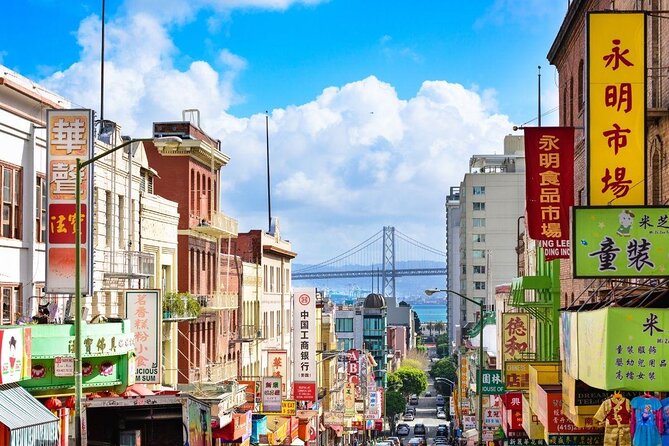
- Full meal + tea tasting: you’re not just sampling snacks; you’ll leave properly fed.
- Small group (10 max): easier to hear your guide and move as a tight crew.
- Fortune cookie factory stop: you’ll actually get a sample cookie on the way through.
- Bubble tea and street lore: boba is paired with real Chinatown characters and backstory.
- Portsmouth Square break: plan for outdoor picnic time when weather cooperates.
- Guide styles vary: stories and energy can depend on who you get (some guides are very animated, some more soft-spoken).
A 3-Hour Chinatown Loop Built for Lunch, Not a Check-the-Box
This tour is designed like a good meal plan: start with appetite, build with variety, and end with something you can taste slowly. You meet at House of Dim Sum (735 Jackson St) at 11:30 am, then spend about 3 hours moving through Chinatown. The tour ends around Grant Avenue, about five blocks from where you started, so it’s easy to keep exploring after you’re done.
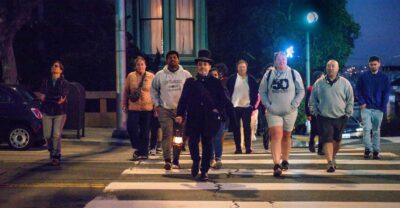
The group stays small, with a maximum of 10 travelers. That matters more than it sounds. In a neighborhood like Chinatown, small groups keep you from getting stretched out on sidewalks and help your guide keep the talk going while you’re eating.
Also, this is English-only and you get a mobile ticket, which keeps things simple. And yes, there’s usually enough food for the group to feel like a full lunch—people come hungry and leave happy.
You can also read our reviews of more food & drink experiences in San Francisco
Starting at House of Dim Sum: Your Dim Sum, Fork-First
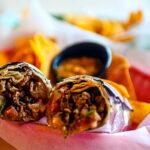
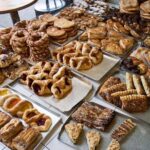
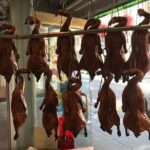
The tour kicks off at Chinatown itself, with a dim sum feast that sets the tone fast. The experience is simple: arrive hungry, grab a variety of dumplings and small plates, and learn enough context to make sense of what you’re eating while you’re eating it.
What I like about this kind of opening stop is that dim sum isn’t just food—it’s a system. You’ll start to notice how ordering works, how textures vary (chewy wrappers, crisp edges, soft fillings), and how tea and savory bites play off each other. If you’re the type who usually orders the same “safe” items, this stop nudges you into trying more than you’d pick alone.
One practical tip: dim sum is best when you go at the pace your table can handle. Don’t be shy about asking your guide what’s coming next, and don’t worry if you don’t identify every item on sight. The point is to taste, compare, and learn the basics on the fly.
Golden Gate Fortune Cookies Co: A Sample You Actually Get to Eat
Next up is the Golden Gate Fortune Cookies Co stop. You’ll see the process firsthand and you’ll get to sample a fortune cookie—and yes, you’ll probably get at least one cookie worth of laughs when the fortune shows up.
This is one of those stops that’s short but fun because it’s interactive. You aren’t just walking through a storefront—you’re tasting the result. It’s also an easy palate shift after savory dim sum.
One heads-up: depending on the day, lines can happen. If you’re the kind of person who doesn’t love waiting, take a breath and treat it like part of the show. The cookie is worth it, and you’ll still have time for the rest of the route.
Chinatown Taiwan Fruit Tea: Bubble Tea and Street-Level Storytelling
The tour then moves into Chinatown Taiwan Fruit Tea for a refreshing break. You’ll get bubble tea here—one of the quickest ways to reset your appetite without losing momentum.
What makes this stop more than just a drink is how it’s paired with local storytelling. The guide brings in Chinatown character, old-school alley lore, and the kinds of jobs and lives people built around the neighborhood. You’ll hear about sailors, a notorious gambling block, and even the odd detail of 10-cent haircuts.
That mix is practical. When you understand the kind of people who shaped a place, the neighborhood details stop feeling random. Even the small things—signs, street corners, shop rhythms—start to make more sense.
If you’re ordering, lean into the sweetness-to-chew balance. Bubble tea is a dessert-ish moment, but it works well between savory stops because the texture keeps you interested.
AA Bakery & Café Pastry Stop and a Church That Survived 1906
At AA Bakery & Café, you’ll get a Chinese snack pastry. The exact place can change, but the promise stays consistent: you’ll leave this part with something baked and snackable.
This stop is where I think the tour feels most like “street touring for food people.” You’re not just eating big sit-down portions. You’re sampling the quick hits—the kind of items you’d actually see locals grab while walking.
Then there’s a brief stop to marvel at a church that stood after the 1906 earthquake. Even with only a few minutes, it’s a powerful pause. It reminds you that Chinatown isn’t only about food; it’s also about survival and continuity, stitched into the neighborhood’s physical details.
If you’re thinking about photos, this is a good moment. It’s also a nice break if you’re getting foot-tired, because it slows the pace for a moment before Portsmouth Square.
You can also read our reviews of more tours and experiences in San Francisco

Portsmouth Square: Picnic If Sunny, Cantonese Flavor If Not
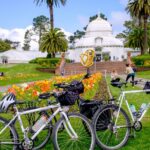
Next comes Portsmouth Square, a classic Chinatown anchor. Here the tour plans for the weather: if it’s sunny, you may picnic in the park; if not, you’ll cozy up in a local restaurant nearby.
Either way, you’ll taste local Cantonese flavor. This stop is valuable because it changes the mood. Earlier you were in doorways and shops; here you get a small breath of open space (or a warm indoor alternative). It helps the meal feel like an afternoon, not a nonstop sprint.
I’d also treat this stop as your chance to check in with your guide. If you have questions about the tea, the ordering style, or what you should try next time on your own, Portsmouth Square is a good moment to ask.
And because this tour ends a short walk away from Grant Avenue, you’ll likely be able to keep going right after without feeling trapped in “tour mode.”
Vital Tea Leaf Tea Tasting: Brewing Lessons and Real Personality
The finale is Vital Tea Leaf, and it’s built for a longer moment: about 30 minutes of tea tasting. This is where the tour earns its name. You’ll taste tea, learn about tea benefits, and get a sense of how tea is meant to be brewed and served.
What I find fun here is that tea tasting turns into a mini performance. In many Chinatown tea spaces, the person pouring and explaining tea brings personality, and this tour has that feel too. Some guides and tea presenters have been described with a sort of uncle-style charm—great for making the tasting feel friendly, not stiff.
This is also where you start linking flavors. Dim sum tends to be savory and rich; tea cuts through it. By the time you’re done here, you understand why tea isn’t just an accessory. It’s part of the meal logic.
Practical tip: sip slower than you think you need to. The point is comparison, and tasting works best when your palate resets between cups.
Price and Value: Why $99 Feels Fair for What You Get
At $99 per person for about 3 hours, the pricing makes sense when you look at what’s actually included.
This tour lists food tasting, snacks, afternoon tea, beverages, lunch, and all activities, plus a local guide. That matters because Chinatown food tours can fall into two buckets: either you pay a premium for scattered bites, or you get a full meal experience. This one is built closer to the full meal end.
The tea tasting also isn’t a quick sip-and-go. It’s 30 minutes with instruction. And with a max of 10 travelers, you aren’t paying for crowded group chaos.
One small thing to double-check before you go: the details list beverages as included, but also lists drinks as not included. Since the tour clearly includes tea and tasting beverages, I’d ask what they mean by drinks at booking so you’re not surprised about extras.
Bottom line: if you want Chinatown food and tea in a guided, organized flow (without needing to plan and pre-order), this is priced like a solid deal.
Guide Energy, Story Balance, and What You Should Expect
Guides can shape the experience. In the best versions, you’ll get a mix of food talk, street stories, and humor—names like Jacob, Robert, Robin, Marcy, and Dale have come up as standout guides in people’s memories.
That said, story depth isn’t always the same. Some folks finish the tour saying they mainly took away the food experience, not as much the human-history side. If you’re a history-first traveler, come prepared with a few specific questions. Ask things like: How did Chinatown change over time? What roles did everyday workers play? What’s the story behind the spots you’re seeing today?
You’ll also want to match your expectations to the format. This is a food-and-tea tour with storytelling attached, not a classroom lecture.
Who This Tour Fits Best (And Who Might Want a Different Option)
This tour works for most travelers and it’s in English, with a vegetarian option available if you request it at booking.
But it’s not recommended for limited mobility. Chinatown streets can be uneven and the route includes multiple walking segments and quick turns into shops.
If you fit this group, you’re likely to love it:
- You want a single afternoon plan that covers dim sum, tea, and sweets without extra research.
- You like guided food eating where someone helps you decide what to try next.
- You enjoy tea culture and want a tasting that teaches you something real.
If you have mobility challenges, you’ll want to consider an alternate way to enjoy Chinatown—because even a few short stops can add up when sidewalks are steep or crowded.
Should You Book This San Francisco Chinatown Tea & Dim Sum Tour?
If your goal is a satisfying Chinatown lunch plus a proper tea tasting, I think you should strongly consider booking. The big reasons are practical: you’re not hungry at the end, the group stays small, and the tour gives you structure so you can enjoy the neighborhood without planning every meal stop yourself.
Book it if:
- You’re excited to try dim sum and don’t want to figure out ordering alone.
- You want fortune cookie fun and bubble tea as part of the route.
- You care about tea and want a guided tasting at the end.
Skip it or rethink it if:
- You need a route designed for limited mobility.
- You’re expecting a long, deep dive into complex history rather than food-centered storytelling.
For most visitors, though, it’s a smart way to spend an afternoon in SF Chinatown: eat well, learn just enough context to make the sights click, and finish with tea that changes how you taste everything you’ve eaten before.
FAQ
How long is the SF’s Chinatown: Tea & Dim Sum Food Tour?
The tour runs for about 3 hours.
Where does the tour start and end?
It starts at House of Dim Sum, 735 Jackson St, San Francisco, CA 94133, and ends around Grant Avenue about five blocks away.
What time does the tour begin?
The start time is 11:30 am.
What’s the price per person?
The price is $99.00 per person.
What’s included in the tour?
Included items are beverages, afternoon tea, food tasting, snacks, a local guide, all activities, and lunch.
Are drinks included?
The tour lists beverages as included, but it also lists drinks as not included. It’s worth confirming what extras, if any, fall under not included drinks at booking.
Is there a vegetarian option?
Yes. A vegetarian option is available if you advise at booking.
What languages is the tour offered in?
The tour is offered in English.
How many people are in the group?
The tour has a maximum of 10 travelers.
What happens if weather is poor?
The experience requires good weather. If it’s canceled due to poor weather, you’ll be offered a different date or a full refund.
What is the cancellation policy?
You can cancel for a full refund up to 24 hours in advance. If you cancel less than 24 hours before the start time, the amount paid is not refunded.