REVIEW · SAN FRANCISCO
San Francisco: Chinatown Walking Food Tour
Book on GetYourGuide →Operated by Sidewalk Food Tours · Bookable on GetYourGuide
A good food tour should teach you as much as it feeds you. This 3-hour Chinatown walk in San Francisco mixes five Chinese tastings with stops like the Chinese Fortune Cookie Factory and an old Buddhist temple, so you get context for every bite. I especially like the way the pace stays easy while the food choices cover multiple styles, from dim sum to egg tarts. One thing to keep in mind: it’s a walking tour with tastings prepared in advance, so if your dietary needs are complex, you’ll need to plan early.
What really makes this one work is the combination of food and street-level culture in Chinatown. You’ll also appreciate the small group size (limited to 8), which makes it easier to ask questions and not feel swept along. Based on guide feedback like Jinny and Ted B, the tours tend to feel personal, with guides who keep the explanations flowing stop to stop and remember people’s names. The main drawback is that the tour can include a range of restaurants/bakeries, so the exact lineup can shift, and one feedback noted that food variety and quality were slightly under expectations.
In This Review
- Key highlights that make this Chinatown food walk worth it
- Why this 3-hour Chinatown food walk works
- Getting oriented: meet point, pace, and the small-group advantage
- Fortune cookies and temple stops before the food
- The five tastings: what you’ll actually eat and why it’s smart
- Restaurant stops: what makes each one special (and where you should watch for changes)
- How to get the most out of it (without overthinking your day)
- Price and value check: is $99 fair for three hours of food?
- Who this tour suits best (and who might want a different plan)
- Should you book this Chinatown walking food tour?
- FAQ
- How long is the San Francisco Chinatown walking food tour?
- How many people are in the group?
- What’s included in the price?
- What foods will I taste on the tour?
- Where does the tour meet?
- Is bottled water included?
- What should I bring?
- Can I bring pets?
- FAQ
- What if I have a dietary restriction?
Key highlights that make this Chinatown food walk worth it
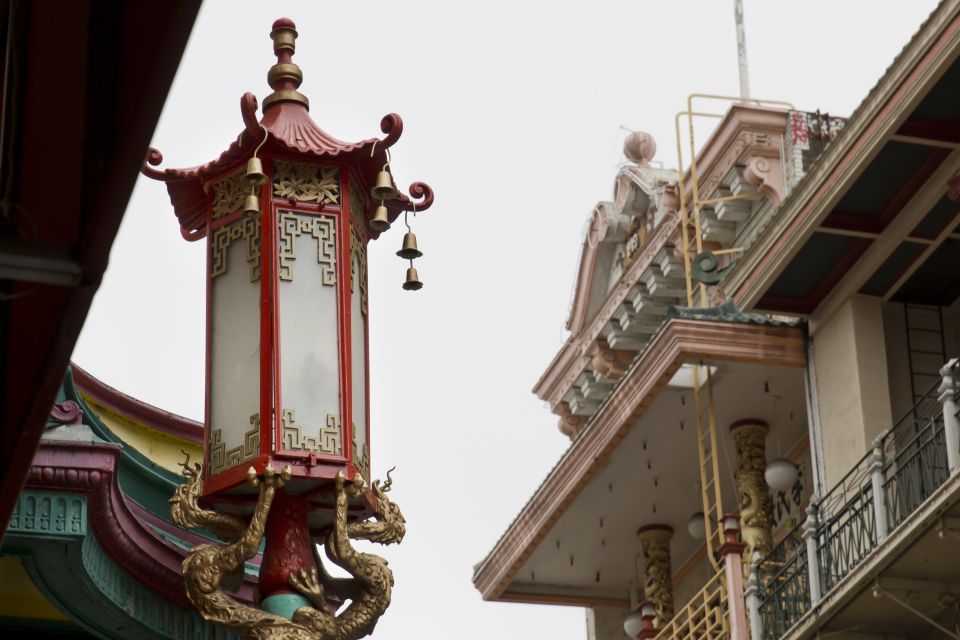
- Fortune Cookie Factory + an old Buddhist temple: you’ll get the backstory before you start eating
- Five tastings in about three hours: enough variety to sample several Chinese styles without getting stuck in lines
- Hong Kong and mainland China flavors: you’ll taste from Cantonese-, Mandarin-, and Szechuan-style dishes
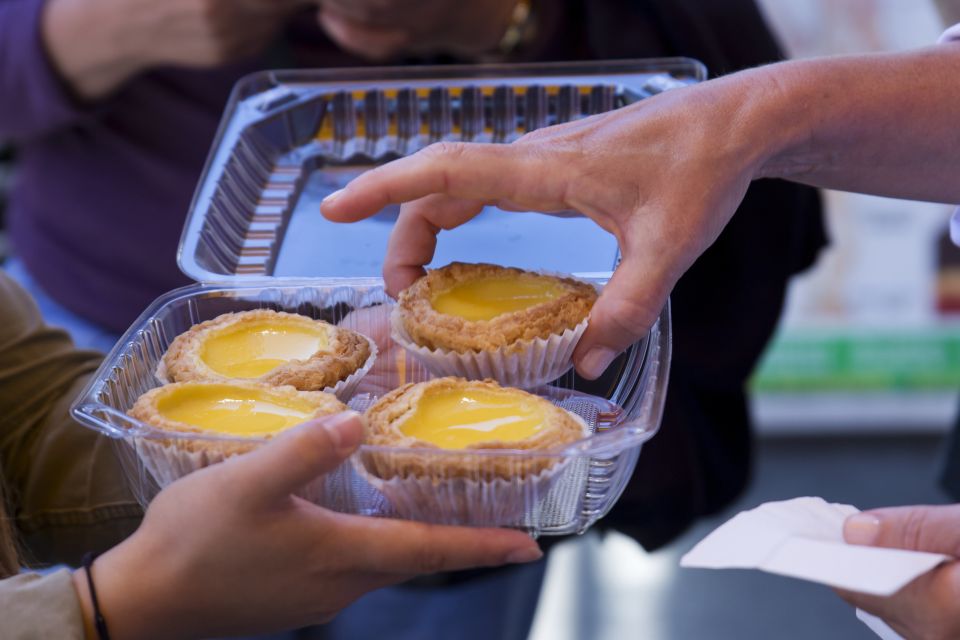
- Family-run bakery specialties: stop for buns, dim sum style bites, and an egg tart made like flan
- Small group energy (up to 8): more Q&A time, less crowd chaos
- Guides who connect the dots: multiple guides named in feedback, including Jinny, Ted B, Ted, Michael, Marvin, and Lauren
Why this 3-hour Chinatown food walk works
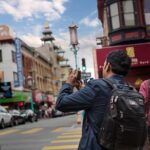
Chinatown in San Francisco can feel like a blur of signs, smells, and shopping. This tour gives you a simple structure: walk a short circuit, learn what you’re looking at, then taste what locals line up for. The timing matters here—three hours is long enough to feel like a real experience, but short enough that you don’t spend the whole trip trudging and waiting.
The other win is variety without the long-line headache. The tour is designed so you get the best-known items—like baked buns, dim sum-style selections, and egg tart—without standing around for it. That’s a big deal in a place where popular spots can be packed.
You can also read our reviews of more food & drink experiences in San Francisco
Getting oriented: meet point, pace, and the small-group advantage
You’ll meet at the East West Bank at 1066 Grant Ave (cross streets Pacific and Grant Avenues), on the Grant Avenue side. The nearest BART stop is Montgomery, and it’s about a 20-minute walk. If you’re driving, the Portsmouth Square Parking Garage at 733 Kearny Street is about a 5-minute walk.
Because this is a walking tour, comfortable shoes are non-negotiable. Chinatown streets can be uneven, and you’ll be moving through a concentrated area. The upside is that the pace is meant to stay friendly—about three hours total—so you’re not stuck doing constant long bursts of walking.
The small group limit (up to 8) changes the vibe. With fewer people, you can actually hear your guide and ask questions about what you’re tasting, what you’re seeing, and why the food looks and tastes the way it does.
Fortune cookies and temple stops before the food
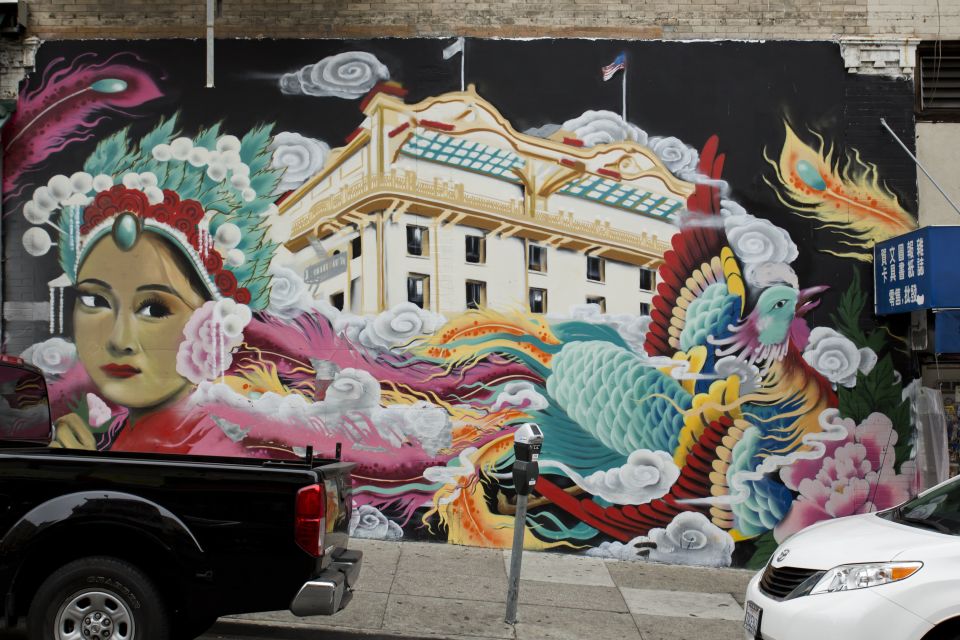
This tour doesn’t start with food. It starts with place.
One early stop is the Chinese Fortune Cookie Factory. Even if you’ve seen fortune cookies before, watching how the story connects to Chinatown culture feels different when you’re standing in the neighborhood where the tradition lives.
Then you’ll visit an oldest Buddhist temple in San Francisco. That matters more than it sounds. Temples aren’t just background scenery; they help you understand how immigrant communities built continuity—religion, family, and daily life—alongside business and food.
You also get time at an authentic Chinese market, which is where you start to see the food system more clearly: ingredients, snack culture, and what locals reach for when they’re not ordering a tourist meal.
A quick tip: be ready for a bit of standing during cultural stops. If you want the walking food portion to feel easy, take advantage of any seating opportunities your guide points out.
The five tastings: what you’ll actually eat and why it’s smart
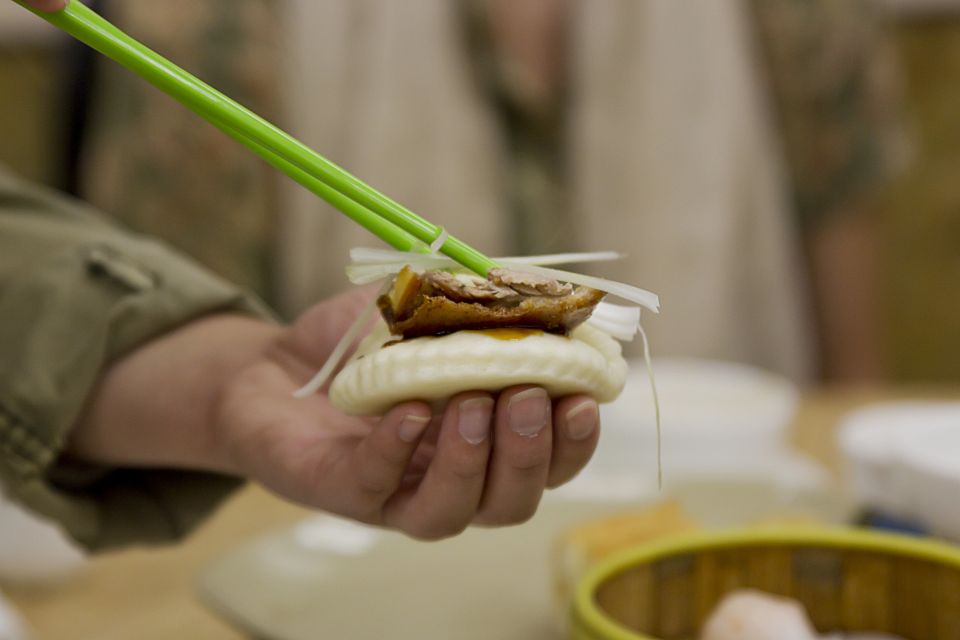
The core promise is simple: five delicious foods across five tasting stops (from a set of well-known Chinatown spots). The tour covers a spread of Chinese cuisine styles—Cantonese, Mandarin, and Szechuan—so you’re not stuck with the same flavor profile all afternoon.
Here’s what you can expect from the named places:
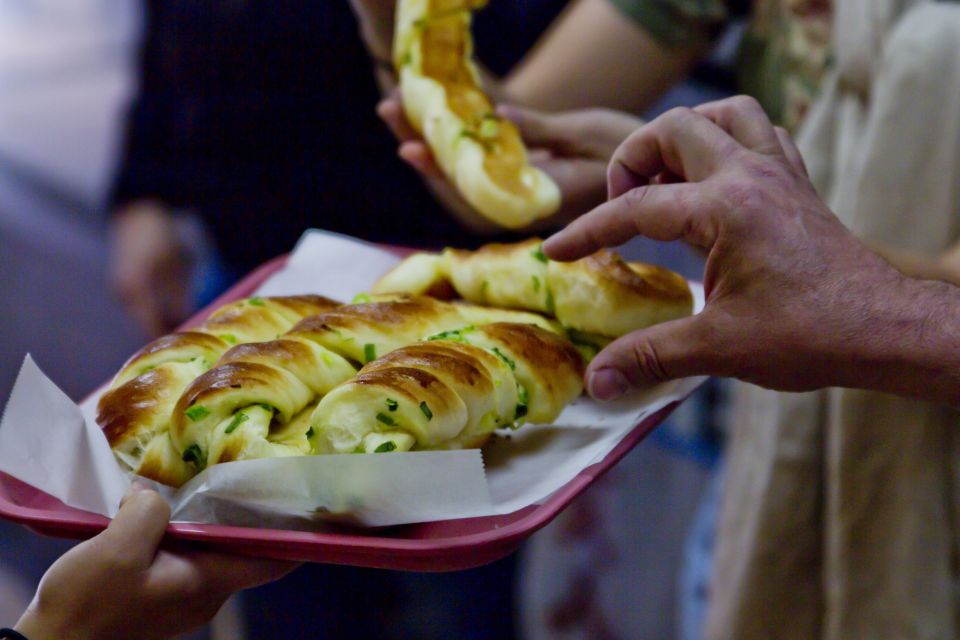
- New Hollywood Bakery and Restaurant: you’ll try light, buttery buns filled with cha siu pork (barbecue-style pork). This is the kind of item that makes Chinatown famous—soft bread, savory filling, and just enough richness to feel satisfying without being heavy.
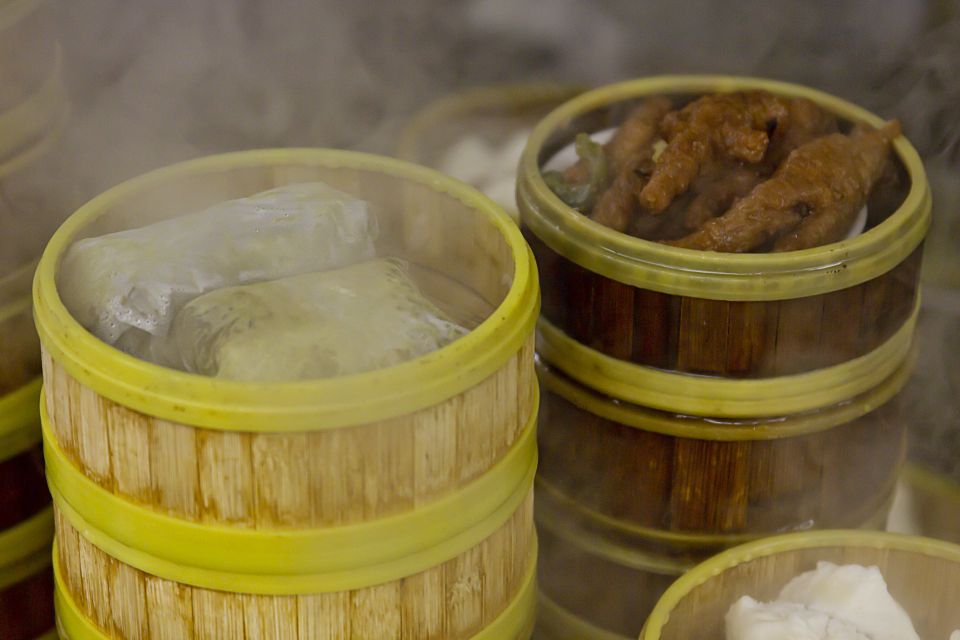
- Grant Place: known for Hong Kong style dim sum and Chinese specialties. Dim sum is all about variety, texture, and small bites that let you sample a lot in one sitting.
- Hunan House: a stop built around Hunan cuisine, which typically leans bolder and more assertive than some other styles. If you like flavor with a bit of kick, this one tends to be a turning point.
- AA Bakery & Café: famous for Hong Kong style egg tarts, cooked to a smooth, flan-like set with a buttery, flaky crust. This is one of those desserts that changes how you judge egg tart everywhere else.
- Bund Shanghai: brings Shanghai-style cuisine into the mix—different from Cantonese and different from Szechuan—so you get regional contrast instead of repeat dishes.
- Z&Y Restaurant: Chef Han has a reputation for preparing food for presidents and foreign ministers of the people’s republic of China. That’s a fun credential to know about because it hints at how carefully the kitchen treats classic techniques.
The tour keeps it efficient: tastings are prepared in advance, and they’re designed to bring you the best of each place. That’s great for first-time Chinatown visitors who don’t want to research menus and still want real hits.
Restaurant stops: what makes each one special (and where you should watch for changes)
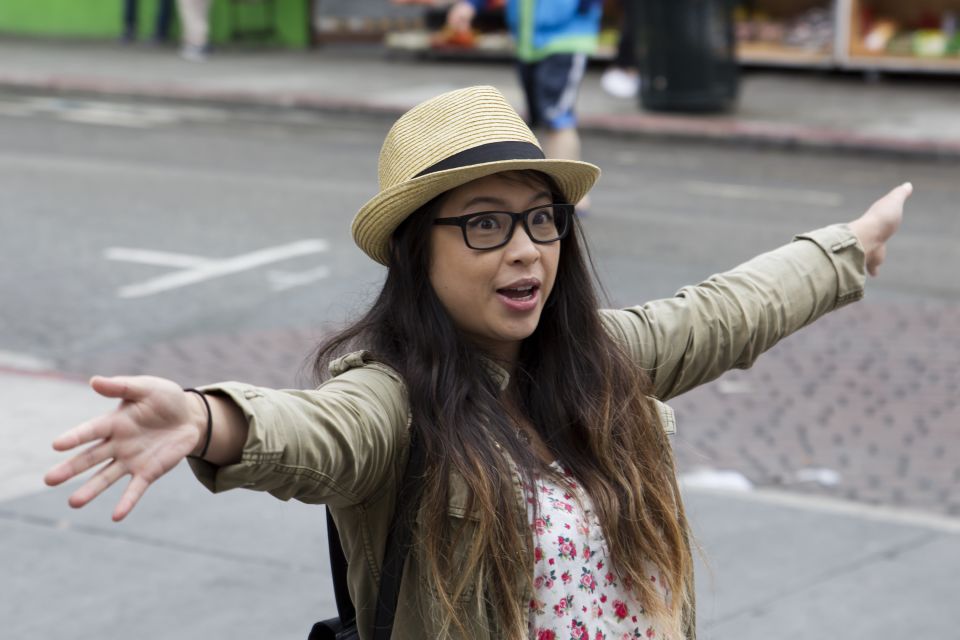
Since the tour selects five of the above places, you might not hit all six restaurants/bakeries every time. The value still holds because each stop is chosen to represent a different angle of Chinese food—bun vs. dim sum vs. egg tart vs. regional cuisine.
That said, here’s how to think about it so you’re not disappointed if your exact lineup differs:
- Baked buns vs. dessert vs. savory small bites
If you care most about bread and pastry, pay attention to whether your tour includes New Hollywood Bakery and/or AA Bakery & Café. If dessert is your priority, egg tart is one of the best markers of whether the tour hits what you crave.
- Dim sum taste style
If dim sum is your main goal, Grant Place is the anchor stop mentioned. Dim sum can range from gentle to punchy depending on what you get—so you’re looking for texture variety more than expecting one specific flavor.
- Regional contrast
Hunan House and Bund Shanghai add that regional swap. If your ideal Chinatown meal is about comparing styles, you’ll like that the tour doesn’t only stick to one region.
Also note: the itinerary is occasionally subject to change. That’s normal for walking tours, and it’s worth accepting up front—especially in a neighborhood where busy kitchens and opening hours can shift.
You can also read our reviews of more tours and experiences in San Francisco
How to get the most out of it (without overthinking your day)
If you want this tour to feel like a highlight rather than a checklist, do three things.
First, go hungry in a smart way. You’ll have five tastings, not a full restaurant meal. That means you can feel satisfied, but you won’t feel like you’ve wiped out your entire appetite. If you start the day with a heavy breakfast, you’ll miss part of the pleasure.
Second, bring curiosity, not expectations. Egg tart isn’t one-size-fits-all, cha siu buns can be made several ways, and dim sum changes depending on what’s ready that day. The best way to enjoy the tour is to treat it as a guided sampling of regional style and technique.
Third, ask about what you’re seeing as you walk. One of the strongest bits from the feedback is how guides connect food to the neighborhood. People named in feedback—Jinny, Ted B, Ted, Michael, Marvin, and Lauren—show up repeatedly in comments for staying engaging and keeping explanations clear. When your guide explains why a dish exists or how a bakery treats dough, you taste more than food. You taste meaning.
Price and value check: is $99 fair for three hours of food?
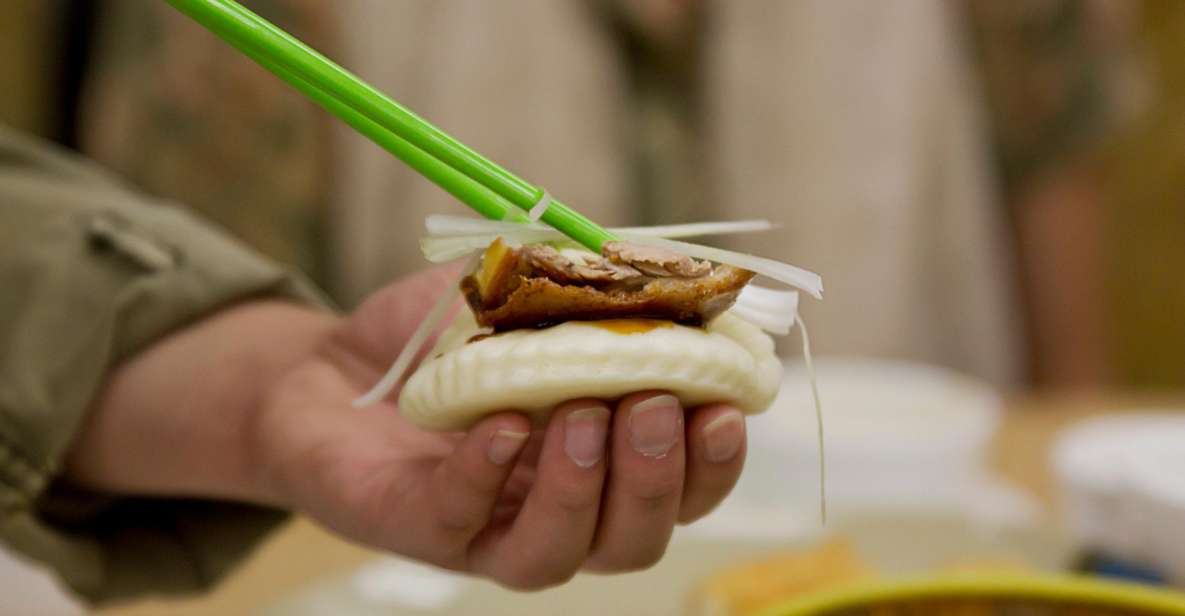
At $99 per person for three hours, you’re paying for a tight mix of (1) multiple tastings, (2) a local guide, and (3) access to key cultural stops like the Fortune Cookie Factory and an old Buddhist temple.
Is it cheap? No. But it’s also not priced like a fancy tasting menu. This is closer to paying for convenience and curation—five tastings plus guidance that keeps you from wasting time figuring out where to go and what to order.
For value, focus on two things:
- Five tastings in a small group: that’s typically more food variety than you’d get from a DIY walk unless you’re already a Chinatown regular.
- Skipping line time where relevant: the tour includes skip-the-line access, which is a practical time-saver.
One caution for value: because the tour pulls from a list of places and selects five, your enjoyment will depend on what’s on your specific schedule. The overall rating is high, but one piece of feedback flagged that food variety and quality were a little disappointing—so if you’re extremely food-nerdy about one specific dish, message your expectations early when choosing your tour.
Who this tour suits best (and who might want a different plan)
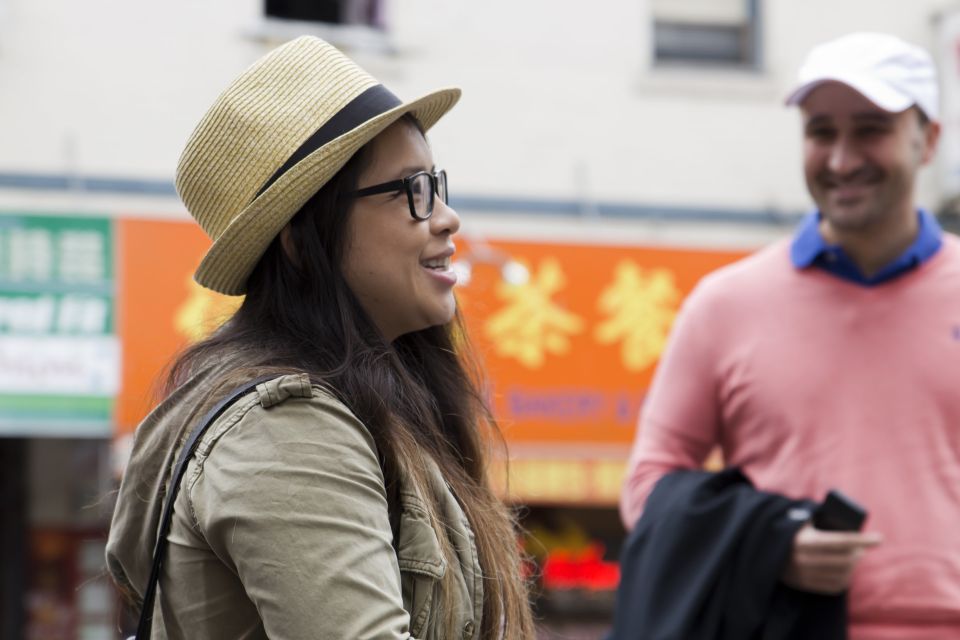
This is a great fit if you:
- want a first-time-friendly Chinatown experience without the guesswork
- love multiple styles of Chinese food—Cantonese, Mandarin, and Szechuan—within a short time
- prefer a guided route through the neighborhood, including cultural stops
- like small group settings where conversation stays easy (limit of 8)
It’s also a good option for couples or friends who want a shared food mission but don’t want to eat their way through expensive trial and error.
Who might think twice:
- If you’re extremely sensitive to allergies, the tour says severe food allergies should be handled by contacting them before purchase. And since tastings are prepared in advance and last-minute substitutions aren’t accommodated, you’ll want extra certainty.
- If you dislike walking or can’t manage a couple hours on your feet, you may find the format tiring.
Should you book this Chinatown walking food tour?
If you want Chinatown in San Francisco with structure—food plus real cultural stops—this tour is an easy yes. The strongest reasons to book are the mix of tastings across different regional styles, the inclusion of the Fortune Cookie Factory and a historic Buddhist temple, and the small-group feel that keeps the guide’s explanations from turning into background noise.
Before you commit, think about your top food priorities. If egg tart and baked goods are your must-haves, double-check that your day’s lineup includes places like AA Bakery & Café and New Hollywood Bakery. If you’re chasing dim sum, Grant Place is the key signal in the description.
Finally, if your diet has restrictions, plan ahead. The tour asks you to share dietary needs at purchase time so substitutions can be prepared. That’s not a minor detail—it’s the difference between enjoying five tastings and spending the whole walk worrying.
FAQ
How long is the San Francisco Chinatown walking food tour?
The tour lasts 3 hours.
How many people are in the group?
It’s a small group limited to 8 participants.
What’s included in the price?
The price includes all food tastings.
What foods will I taste on the tour?
You’ll taste five foods that cover styles of Chinese cuisine. Specific items mentioned include cha siu pork buns, Hong Kong style dim sum, and Hong Kong style egg tarts.
Where does the tour meet?
Meet in front of the East West Bank, 1066 Grant Ave, San Francisco, CA 94133, on the Grant Avenue side (cross streets Pacific and Grant).
Is bottled water included?
Bottled beverage is not included, and some food establishments may supply water.
What should I bring?
Bring comfortable shoes and dress casually.
Can I bring pets?
No, pets are not allowed.
FAQ
What if I have a dietary restriction?
You should let the operator know when you purchase tickets. Severe food allergies require contacting them before purchasing, and last-minute dietary changes on the tour aren’t accommodated because tastings are prepared in advance.