REVIEW · SAN FRANCISCO
San Francisco: North Beach & Chinatown Food History Tour
Book on GetYourGuide →Operated by San Francisco Native Tours · Bookable on GetYourGuide
Food and history share the same map. This San Francisco North Beach & Chinatown Food History Tour strings together dim sum and 15+ food tastings with real neighborhood stories, from the Gold Rush to the jazz age. I also like how guide Stuart keeps the focus on everyday San Francisco—who runs the shops, what the blocks used to be, and what to try next.
The one thing to think through is time on your feet. You’re in motion for 270 minutes, so if walking for 4.5 hours is a stretch, plan on comfortable pacing from the start.
In This Review
- Key things I’d circle before you book
- Starting Under the Transamerica Pyramid and Finding Mark Twain Alley
- Transamerica Redwood Park: SF’s Smallest Tree Break
- Barbary Coast Snacks and Jazz Age Stories
- North Beach, Little Italy, and the Gold Rush Wild West
- Chinatown Street Food, Dim Sum, and the Fortune Cookie Factory
- How the Tastings Add Up (Without Feeling Like a Food Marathon)
- Price and Value: What $99 Buys You in San Francisco
- Who This Tour Suits Best (and Who Might Want Something Else)
- Quick Tips So You Don’t Miss Anything
- Should You Book North Beach & Chinatown Food History?
- FAQ
- How long is the San Francisco North Beach & Chinatown Food History Tour?
- What does the tour cost?
- What’s included in the price?
- Where do I meet the guide?
- Is the tour wheelchair accessible and how big is the group?
- What should I bring?
Key things I’d circle before you book
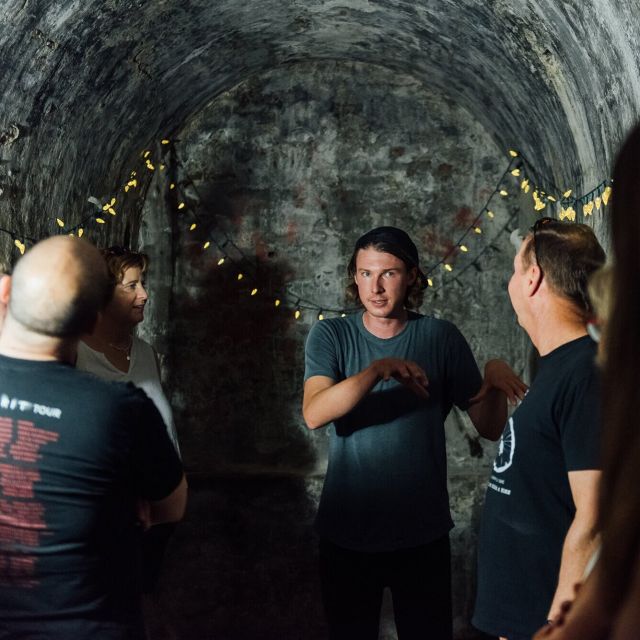
- Meet under the Transamerica Pyramid before you even hit the street foods
- Transamerica Redwood Park for a quick, weirdly wonderful stop with real redwoods
- Barbary Coast history paired with classic treats like Ghirardelli chocolate and saltwater taffy
- North Beach to Chinatown flow that connects Gold Rush-era stories to Italian then Chinese eats
- Golden Gate Fortune Cookie Factory where you learn the cookie origin and try one fresh
Starting Under the Transamerica Pyramid and Finding Mark Twain Alley
Your tour begins where the Financial District likes to show off: under the Transamerica Pyramid. You meet at Mark Twain Alley, behind the Transamerica Redwood Park, off Sansome Street between Clay and Washington Street. It’s a smart start point because the guide can orient you fast—what you’re seeing and why it matters.
I like that the meeting spot isn’t some generic street corner. The plan gets you close to the park immediately, so you’re not spending your first hour “finding the vibe.” You’ll also notice the tour is set up for small groups, limited to 10 participants, which helps you hear the guide and keep the pace human.
You can also read our reviews of more food & drink experiences in San Francisco
Transamerica Redwood Park: SF’s Smallest Tree Break
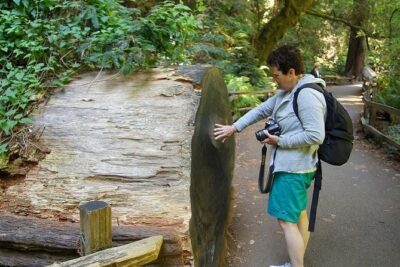
Next comes the Transamerica Redwood Park, described as one of San Francisco’s smaller redwood spots. It’s a quick pause from the city’s hard angles, and it works well as a palate cleanser before the food starts piling up.
This stop is more than a photo break. I found it’s a nice reset that helps you understand how San Francisco layers surprises on top of business-and-buildings. You go from towering architecture to a pocket of trees, and it sets up the tour’s theme: the city keeps shifting, even when it looks fixed.
The park stop also matters because it helps you feel the tour’s rhythm. You’re about to walk through neighborhoods with wildly different pasts, and a short breath in the middle keeps the whole afternoon from turning into one long blur.
Barbary Coast Snacks and Jazz Age Stories
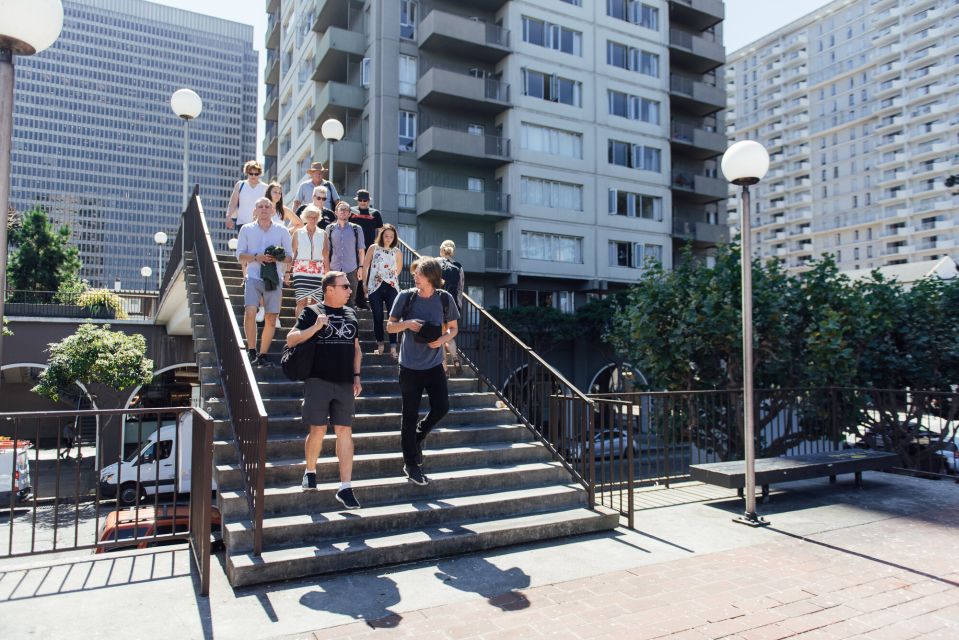
After the redwoods, you head toward the Barbary Coast, once known as the red-light district in the 19th and early 20th centuries. The guide connects the dots between the area’s past and what you see now, including references to dance halls, concert saloons, and brothels. It’s not a scary walk, but it is eye-opening—San Francisco has always had its layers.
Then the tour turns on the snacks. You’ll get classics like Ghirardelli chocolate, saltwater taffy, homemade fudge, and caramel popcorn. These are the kind of stops that make you realize this tour isn’t just about saying the history word; it’s about pairing stories with the flavors people actually lined up for.
A practical note: these treats can come quickly, so don’t assume you’ll finish everything. The pacing is built for sampling, not stuffing. If you’re the type who wants to try everything, you can, but bring patience and space for later stops—because the tour keeps going.
North Beach, Little Italy, and the Gold Rush Wild West
From Barbary Coast you move into North Beach, often called Little Italy. Here the guide shifts the time period, with anecdotes tied to the Gold Rush era of 1849 and the Wild West story people associate with that moment. You’ll hear how the city’s earlier excitement shaped the neighborhoods that came later.
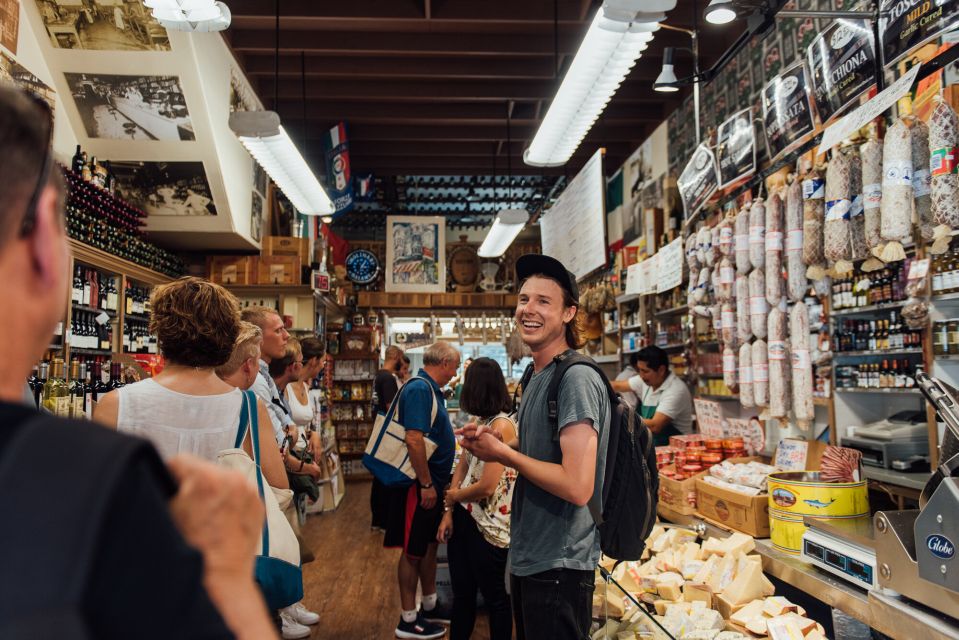
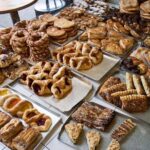
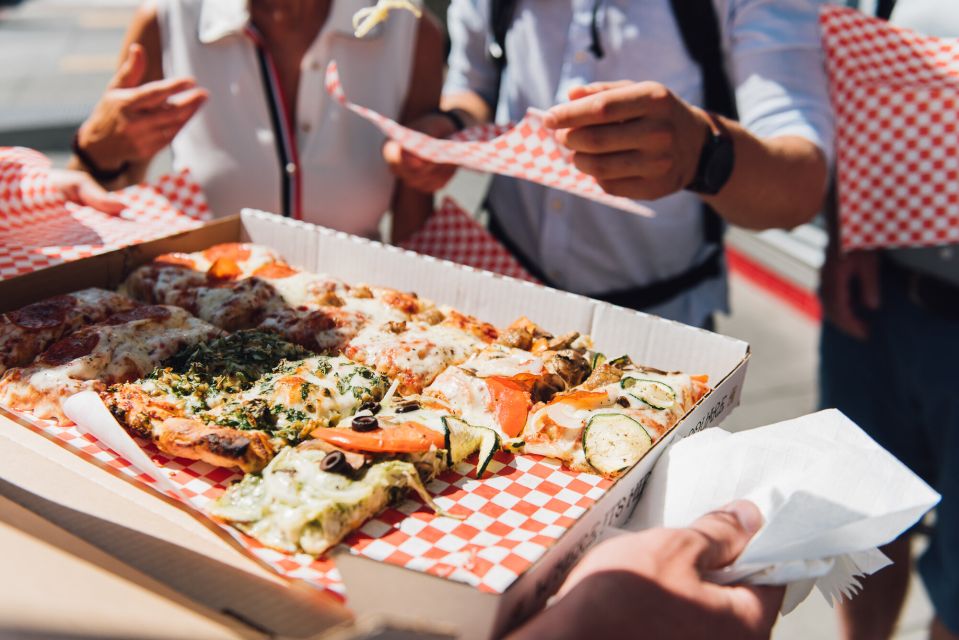
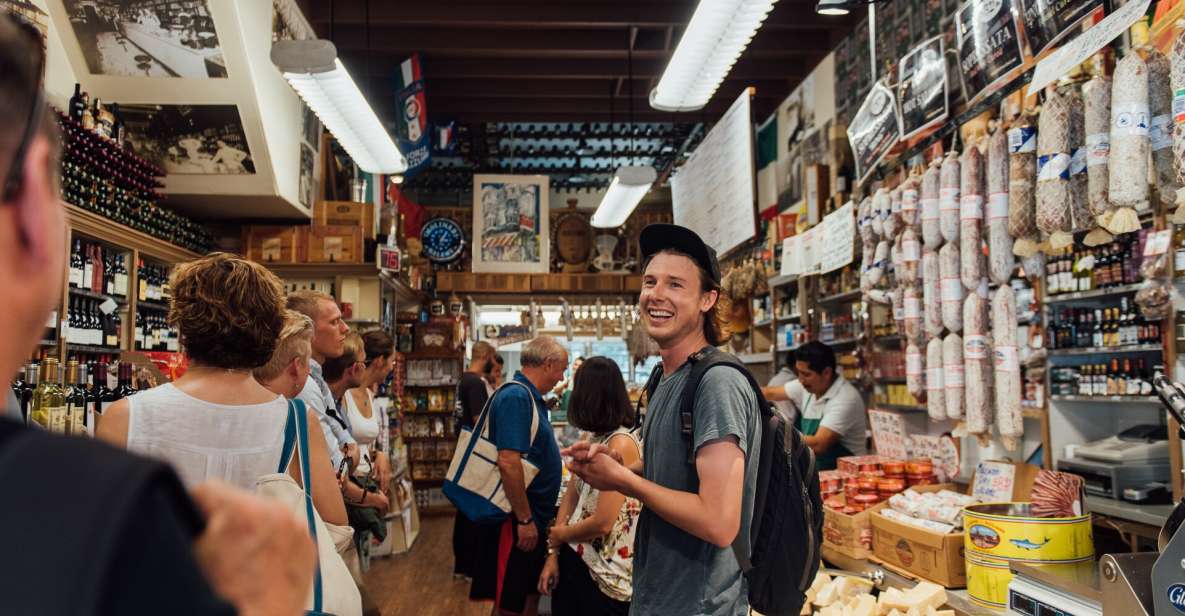
This is where the tour leans hard into food variety. You’ll sample Italian pastries and other bites that fit the rhythm of walking—plus pizza, sandwiches, cakes, antipasto, and aged cheese. The guide also brings in conversations with local small business owners, which is one of the best ways to understand a neighborhood as a living place, not a museum label.
In the feedback I’ve seen from real participants, the guide’s personal connections are a big part of the charm. People mention Stuart’s enthusiasm and the fact that he can point you toward places to eat, listen to music, and see sights beyond the tour. That means if you take this early in your trip, you leave with a mini game plan for the rest of your San Francisco days.
And yes, you’ll likely notice a named favorite crop up during the tastings—like Molinari—depending on how the day’s items line up. The point is that the food doesn’t feel random. It’s chosen as you move through the neighborhoods, with the guide explaining what you’re tasting and why it belongs.
Chinatown Street Food, Dim Sum, and the Fortune Cookie Factory
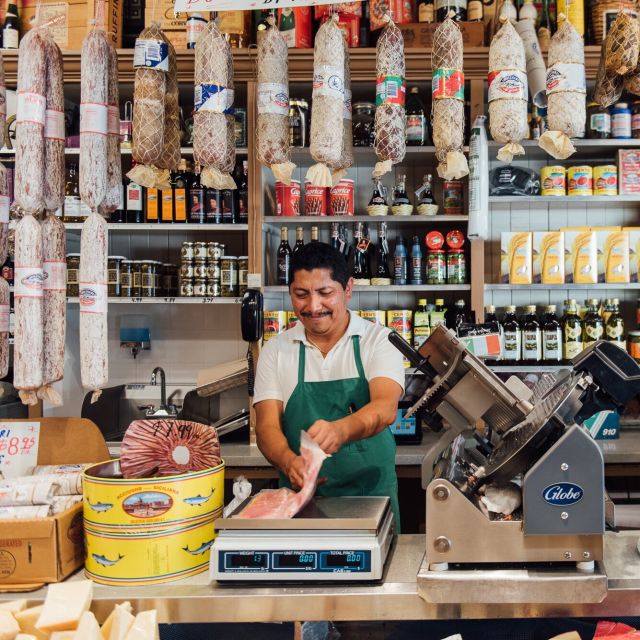
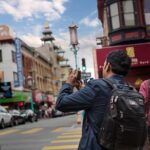
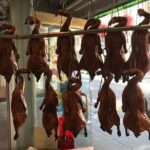
Chinatown is where the afternoon changes gears again. The guide takes you through a mix of shops and street food vendors, and the atmosphere is part of the point—you’re seeing how the neighborhood works day to day.
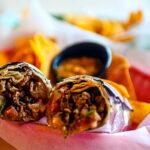
You’ll taste dim sum, and this is one of those moments where the tour proves its concept. Dim sum isn’t just food; it’s culture you can eat with your hands and then talk about afterward. After that, you’ll wander through souvenir shops while the guide explains the bigger context around the neighborhood.
One of the most fun stops here is the Golden Gate Fortune Cookie Factory. You learn about the factory’s history and try a fresh fortune cookie. The phrase says it all: fresh. That last bit matters because it’s a food you can hold, laugh about, and then compare with what you’ve seen sold elsewhere.
Also, the tour includes entry tickets and a skip-the-line style setup through a separate entrance. That’s not glamorous, but it’s valuable. In a place like Chinatown, saving time inside the popular spots keeps your tour from feeling like you’re waiting through the good parts.
You can also read our reviews of more tours and experiences in San Francisco

How the Tastings Add Up (Without Feeling Like a Food Marathon)
The tour promises 15+ different foods, and that can sound like hype until you see how they spread the tastings across the route. Instead of one massive meal, you get a chain of small servings—chocolate here, something sweet there, then savory bites as you move into the next neighborhood.
Here’s how I’d think about it if you’re planning your day: treat lunch as optional. By the time you hit Chinatown and start working through dim sum and factory cookies, you’ll already have had plenty of calories. If you eat a big breakfast, plan to slow down or you may end up carrying snacks you can’t finish.
You’ll also get water as part of the tour, which helps you keep pace. Since you’re sampling both sweet and savory items, sipping water between stops is a simple way to stay comfortable and avoid the sugar crash. And if you’re photographing, do it quickly—your tasting time is limited, and the best part of food tours is actually eating, not watching your own meals cool.
Price and Value: What $99 Buys You in San Francisco
At $99 per person for 270 minutes, the value comes from the combination. You’re not paying just for a guide’s stories, and you’re not paying just for food. You’re buying access to entry tickets, skip-the-line style entry, and a structured set of tastings spread across multiple neighborhoods.
Food tours can feel overpriced when they’re basically a walking snack list. This one feels different because the guide ties each tasting to a place and a time period—Financial District to Barbary Coast to North Beach to Chinatown. That makes the food feel intentional, not random.
The small-group limit of 10 participants also adds value. You’re not competing for attention or getting drowned out, and you’re more likely to hear the little details that turn a history lesson into something you remember later.
If you’re wondering whether this is worth it for your particular trip style, think about how you like to travel. If you enjoy sampling local food while getting the context for why the neighborhoods look and feel the way they do, this price usually makes sense quickly. If you’re not into walking or you only want one specific type of food, you might find it too broad.
Who This Tour Suits Best (and Who Might Want Something Else)
This is a great fit if you want San Francisco in story form. The itinerary follows the city’s changes over time, from the Gold Rush of 1849 through the jazz age references tied to the route, and you taste your way through the neighborhoods that grew from those eras.
It’s also a smart choice if you like food that’s varied but still approachable. You get pastries, sandwiches, sweets, chocolate, dim sum, and fortune cookie treats. It’s not only one cuisine, and the guide’s pacing keeps the day from turning into one repetitive flavor.
The tour is wheelchair accessible, which matters if you need routes that work for mobility. Still, it’s a walking tour, so it’s wise to bring a realistic expectation about time on your feet and spacing.
Who might want a different option? If you hate walking for half a day, or if you only want one neighborhood (like only Chinatown), you could feel like you’re covering ground for the sake of coverage. In that case, you might prefer a shorter, more focused food stop.
Quick Tips So You Don’t Miss Anything
Wear comfortable shoes. This tour is 4.5 hours long, and you’ll be moving between neighborhoods and food stops.
Show up ready to sample, not ready to “save room.” The guide gives you maps and a structured route, plus water, but your job is to come with an appetite and a calm attitude.
If you’re doing this early in your trip, pay attention. One repeated theme in people’s experiences is how the guide points to places to eat, music, and sights that match your tastes. Treat the tour like a starting point, not a final stop, and you’ll get more value out of the recommendations.
Should You Book North Beach & Chinatown Food History?
I’d book this if you want San Francisco that feels lived-in. It mixes history (Gold Rush and jazz age references), neighborhood context (Barbary Coast), and real food you can actually taste along the way. You’ll leave with an understanding of why North Beach and Chinatown feel like they do now, plus a full afternoon of flavor.
I wouldn’t book it if you’re short on time or you hate walking. The tour runs 270 minutes, and even with small-group pacing, it’s still a full stretch.
If you’re making one food-history decision in San Francisco, this is a strong one. You get structure, variety, and a guide who turns corners into context—and tastings into memories.
FAQ
How long is the San Francisco North Beach & Chinatown Food History Tour?
The tour lasts 270 minutes (about 4.5 hours).
What does the tour cost?
The price is $99 per person.
What’s included in the price?
The tour includes a guide, water, a map, entry tickets, and food tastings.
Where do I meet the guide?
Meet at Mark Twain Alley, located behind the Transamerica Pyramid Redwood Park, with the guide in front of the park entrance off Sansome Street between Clay and Washington Street.
Is the tour wheelchair accessible and how big is the group?
Yes, it’s wheelchair accessible. The group is small, limited to 10 participants.
What should I bring?
Bring comfortable shoes so you’re ready for a long walking route.