REVIEW · SAN FRANCISCO
Chinatown & North BeachLittle Italy: 7 Tastings & History
Book on Viator →Operated by Local Tastes of the City Tours · Bookable on Viator
San Francisco tastes like two cities at once. This Chinatown to North Beach/Little Italy walk is built for people who want real neighborhood texture, not just photos—starting at the Dragon Gate and ending near Columbus Ave, with big flavor stops and a local guide weaving culture into every bite. I especially love how the tour pairs classic Chinatown food with pointed stories you can still picture later.
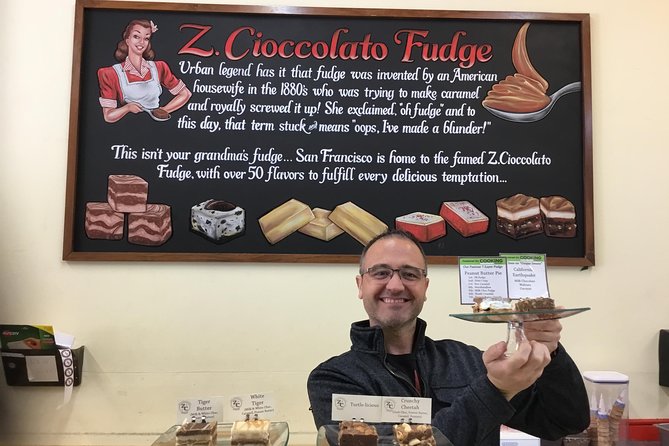
I also love the Italian payoff: a stop for Stella Pastry cannoli (the ones made since 1942) and another for award-level chocolate from Z. Cioccolato, plus fresh pizza in North Beach. One drawback to plan around: they can’t accommodate nut allergies, and the route includes lots of walking on hills.
In This Review
- Key highlights you can bank on
- Why this Chinatown-and-North-Beach walk feels different
- Meeting at Dragon Gate: your Chinatown orientation in minutes
- Dim sum and tea: the two Chinatown tastings that set the tone
- The traditional Chinese meal stop: when the tour shifts from snacks to a meal
- North Beach/Little Italy: turning the corner to Italian San Francisco
- The named stops that make the Italian side worth showing up for
- How the “7 tastings” actually feel in real life
- Pacing, hills, and group size: what to expect on your feet
- Guides make the difference: the human flavor you’re buying
- Who should book this tour (and who should skip it)
- Quick tips to get the most from your walk
- Should you book this Chinatown & North Beach/Little Italy food walk?
- FAQ
- How long is the Chinatown & North Beach/Little Italy tour?
- Where does the tour start and end?
- What is included in the tastings?
- What is the group size limit?
- Is the tour in English?
- Can service animals join the tour?
- Can they accommodate nut allergies?
- What if the weather is bad?
Key highlights you can bank on
- Meet at 400 Grant Ave by the Dragon (Chinatown) Gate, then walk into North Beach toward Columbus Ave.
- 7 tastings plus non-alcoholic beverages across both neighborhoods, so you’re not hopping restaurants all day.
- Tea tasting in Chinatown is part of the experience, not an afterthought.
- Classic, named food stops: Z. Cioccolato chocolate and Stella Pastry cannoli (since 1942).
- Small group size (max 15) helps keep it personal and conversational.
Why this Chinatown-and-North-Beach walk feels different
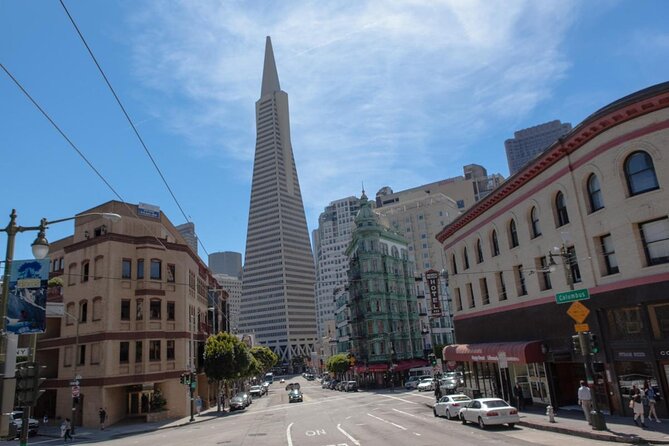
San Francisco’s neighborhoods can be hard to “connect” if you just follow a map. This tour does the opposite. You’re not only eating—you’re learning what to notice while you walk: architecture, symbolism, and the tiny cues that locals use to move through these streets like they belong there.
The whole experience works because it stays focused. You start in Chinatown with guide-led context, then you shift gears into North Beach’s Italian roots and food culture. Even if you’ve been to San Francisco before, you still get that feeling of: I finally know what I’m looking at.
You can also read our reviews of more historical tours in San Francisco
Meeting at Dragon Gate: your Chinatown orientation in minutes
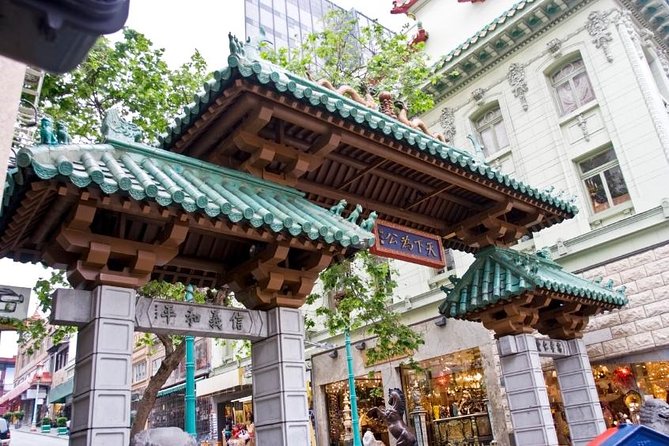
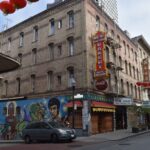
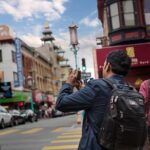
You kick things off at 400 Grant Ave, right by the Dragon Gate (the corner of Bush Street and Grant Avenue). It’s a strong start point—big, visual, unmistakably Chinatown—and it gives you a “place marker” for what comes next.
From there, your guide leads you through Chinatown with an eye for the stuff that doesn’t show up on a typical top-10 list: hidden temples, sculptures, and the kinds of architecture details that only make sense once someone explains the cultural logic behind them. Expect talk of Chinese culture and even the area’s mysticism, tied back to what’s around you as you move.
If you’re thinking about the walk itself, plan for hills and steady movement. The pacing is built into a half-day food-and-history plan, not a slow stroll where you barely break a sweat.
Dim sum and tea: the two Chinatown tastings that set the tone
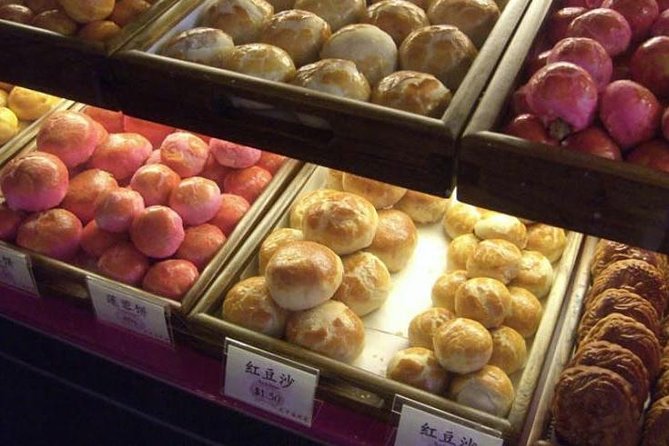
The first real “hook” is food—freshly made dim sum from one of the neighborhood’s oldest bakery-style stops. This matters because dim sum is best understood as a rhythm: small plates, shared ordering, and a busy kitchen energy. When you taste it as part of a guided walk, it stops being just food and starts being a window into how the neighborhood eats.
Then comes tea tasting at a local tea shop. This isn’t just sampling flavors. You’ll get context for how tea fits into daily culture and why certain blends show up in these shops. If you tend to skip tea bars when you travel, this stop is one of the best reasons to book—because you’ll leave with a clearer sense of what you’re tasting, not just that it’s sweet, fragrant, or warm.
Along the way, you’ll also get a sense of Chinatown’s “small world” layout—hidden alleys and the kinds of landmarks most visitors miss because they’re staring at the tallest thing in the frame.
The traditional Chinese meal stop: when the tour shifts from snacks to a meal
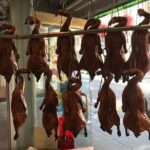
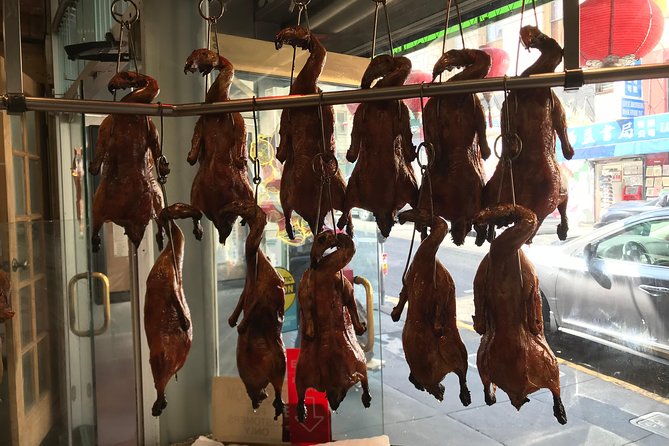
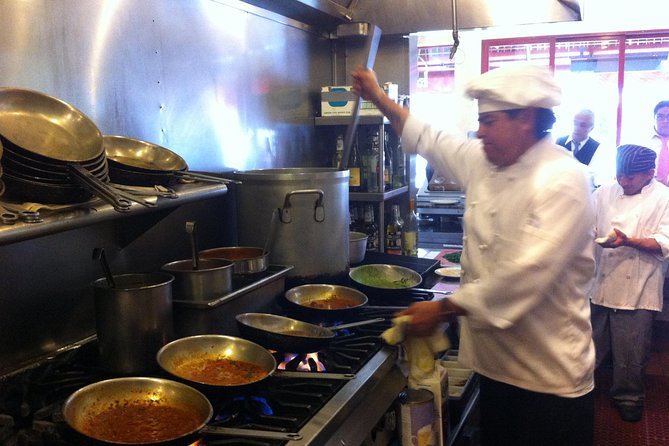
Chinatown isn’t treated like a snack-only appetizer. You also enjoy a traditional Chinese meal at a local favorite as part of the food plan. That’s important for value and comfort. Many walking food tours give you a few bites and then send you back into the street hunting for lunch. Here, the schedule includes enough substance that you’re actually fed.
You’ll also keep hearing how your guide reads the neighborhood—how people recognize streets, symbols, and crafts without thinking about it. If you like history, this is history you can feel with your hands on the street.
North Beach/Little Italy: turning the corner to Italian San Francisco
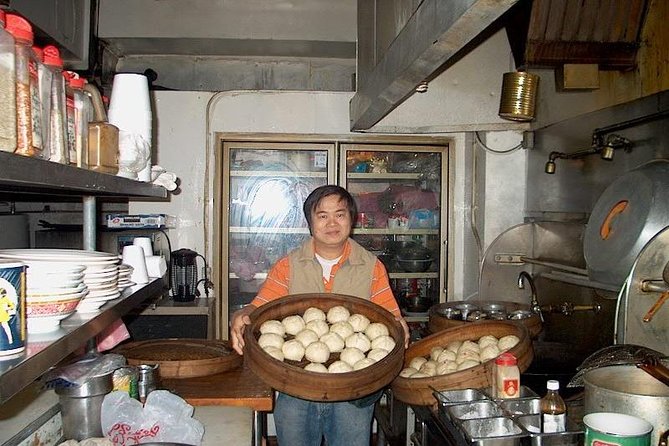
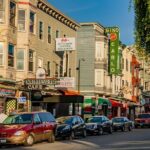
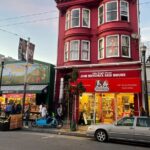
After Chinatown, you head toward North Beach, the historic Italian neighborhood. The vibe changes in a good way: same city energy, different language cues, different architecture, and—most important—different food expectations.
Your guide shares North Beach’s colorful past and brings you to “little-known” food and shopping spots where locals tend to linger. The tour also encourages you to look for Chinese and Italian crafts and pottery—the small items people use, sell, or display in ways that carry cultural meaning. You’re not just walking past storefronts. You’re learning how to notice what’s special about them.
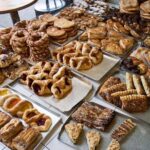
And yes, there’s definitely a food focus again—cannoli, chocolate, and pizza are part of the included lineup.




The named stops that make the Italian side worth showing up for
North Beach is where the tour cashes in with recognizable treats.
One highlight is award-winning chocolate from Z. Cioccolato, noted as one of America’s top chocolatiers. This stop is a little lesson in how “good chocolate” isn’t just sweetness—it’s texture, aroma, and craft.
Then you get fresh cannoli from Stella Pastry, a long-running North Beach institution making cannoli since 1942. That year number matters. It signals this isn’t a novelty shop created for tourists. It’s a legacy bakery with a reputation that survived decades of San Francisco change.
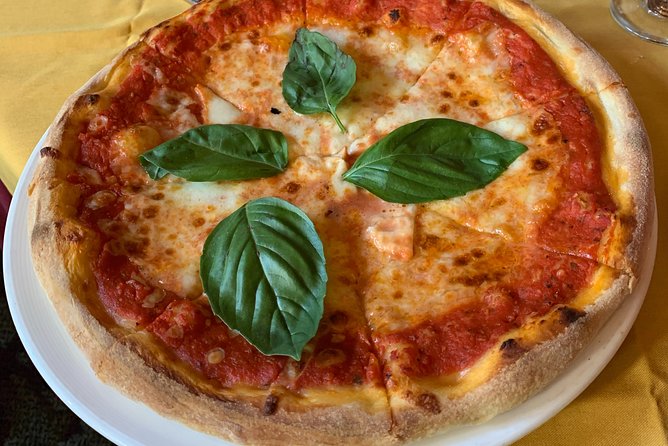
Finally, you’ll also enjoy authentic Italian pizza. Pizza is a smart choice on a walking tour: it’s satisfying, easy to eat while moving between stops, and it fits the North Beach rhythm. You’ll leave this part of the tour feeling like you actually ate in Little Italy, not just sampled one dessert.
How the “7 tastings” actually feel in real life
The tour is priced at $96 per person for about 4 hours, and the best way to judge value is to look at what’s included: food tastings all day-long, plus non-alcoholic beverages, and everything is built into one route from Chinatown to North Beach.
If you were doing this yourself, you’d likely end up:
- picking one dim sum spot,
- grabbing one dessert,
- then spending extra time and transport bouncing around.
Here, the schedule already does the work for you. You’re basically paying for coordination, guided interpretation, and a lineup of stops that cover both the savory and sweet side of the two neighborhoods—without making you plan dinner.
One more practical note: the tastings are described as generous. A few people even noted it feels more like brunch/lunch/linner rather than tiny bites. So you’ll probably skip making dinner reservations right after.
Pacing, hills, and group size: what to expect on your feet
This is a small-group walking tour with a maximum of 15 travelers, which helps a lot. Smaller groups usually mean your guide can keep the conversation moving and watch the dynamic at each stop.
Still, walking tours have limits. Expect hills and plenty of time on your feet. If you’re sensitive to stairs or uneven pavement, wear supportive shoes and bring water.
Also, on the days when your group is close to the max, background noise can make it harder to hear stories from the back of the group. The easiest fix is simple: during the talking moments, try to stay closer to the front or side so you’re not fighting street noise.
One more timing reality: most tours run around 4 hours, but it can run longer if the guide adds extra time at stops. That isn’t bad—but it does mean you should keep your afternoon flexible.
Guides make the difference: the human flavor you’re buying
This tour lives or dies by the guide. The strongest praise in the feedback repeatedly points to guides who mix food, storytelling, and personality.
Names that come up often include Brian Kazanjjian, Isabella, Andre, Scott, and Andrea. The pattern is consistent: people described guides who were funny, personable, and genuinely invested in the neighborhoods—not just reading facts off a screen.
If you care about the experience feeling like a conversation, that’s your best bet: choose a tour slot that fits your day, then show up ready to walk and listen.
Who should book this tour (and who should skip it)
Book it if:
- you want both Chinatown and North Beach in one half-day,
- you like food tours that teach you what you’re eating and why it matters,
- you’re the type who enjoys noticing architecture, symbols, and street-level culture.
You might want to skip (or plan carefully) if:
- you have a nut allergy (they can’t accommodate it),
- you’re hoping for a mostly-Italian food day—Chinatown is a big share of the program,
- you’re expecting dessert like tiramisu as an included tasting. It isn’t listed as part of the included food.
Quick tips to get the most from your walk
- Wear comfortable walking shoes. The hills are real.
- Go hungry enough for several savory stops plus sweets. You’ll likely leave satisfied for the rest of the day.
- If you’re picking up souvenirs (crafts/pottery), budget a little cash or card space. The tour encourages looking at what shops carry and why it’s special.
Should you book this Chinatown & North Beach/Little Italy food walk?
I’d book it if you want a smart, guided way to taste two of San Francisco’s most distinctive food worlds without turning your day into restaurant roulette. The mix of dim sum + tea tasting in Chinatown and cannoli + Z. Cioccolato chocolate + pizza in North Beach hits a good balance, and the named stops (Stella Pastry since 1942, Z. Cioccolato) add confidence that you’re not just sampling whatever is closest.
Skip it if nut allergies are on the table, or if you only want a mostly-Italian program. And if you hate hills or dislike walking-based tours, this one will feel like work.
If those aren’t your deal-breakers, this is one of the better-value ways to spend a half day getting oriented and eating well.
FAQ
How long is the Chinatown & North Beach/Little Italy tour?
It runs about 4 hours.
Where does the tour start and end?
It starts at 400 Grant Ave, San Francisco, CA 94108 and ends at 353 Columbus Ave, San Francisco, CA 94133.
What is included in the tastings?
The included food and drinks include dim sum, a tea tasting, a traditional Chinese meal, Z. Cioccolato chocolate, cannoli from Stella Pastry (since 1942), and Italian pizza, plus non-alcoholic beverages.
What is the group size limit?
The tour has a maximum of 15 travelers.
Is the tour in English?
Yes. The tour is offered in English.
Can service animals join the tour?
Yes. Service animals are allowed.
Can they accommodate nut allergies?
No. They’re not able to accommodate nut allergies.
What if the weather is bad?
The experience requires good weather. If it’s canceled due to poor weather, you’ll be offered a different date or a full refund.