REVIEW · SAN FRANCISCO
San Francisco Chinatown Food and Culture Tour
Book on Viator →Operated by ExperienceFirst · Bookable on Viator
Chinatown changes with every turn. This 2-hour San Francisco Chinatown walking and tasting tour pairs standout stops like Waverly Place’s painted balconies and a fortune cookie factory with bakery pastries and dim sum dumplings, plus a guide who ties the food to immigration, politics, and the 1906 rebuilding story.
It stays friendly and not rushed, but it is still a walk with short stop times (often 5–15 minutes), so if you like to linger or you hate crowds, keep that in mind.
In This Review
- Key highlights at a glance
- Why this Chinatown tour feels different than a food stop
- Price and what $49 actually buys you
- Start at Woh Hei Yuen Park: the calm opener before the crowds
- Gum Moon Residence Hall: missionaries, education, and safety nets
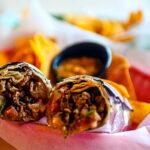
- AA Bakery & Cafe: buns, egg tarts, and sesame balls in a quick tasting
- Chinatown-Rose Pak Station: politics that changed what the neighborhood got
- Waverly Place painted balconies and the oldest temple in town
- Ross Alley: fortune cookie factory and the darker side of alley life
- Grant Avenue architecture: bold colors with a reason
- House of Dim Sum: steamed, baked, and fried dumplings (plus vegan options)
- Transamerica Redwood Park: redwoods where you least expect them
- Who this tour is best for (and who should pick a different one)
- Practical tips to make the 12:30 start feel easy
- Should you book this Chinatown food and culture walking tour?
- FAQ
- How long is the San Francisco Chinatown Food and Culture Tour?
- What’s the price per person?
- Where does the tour start and end?
- What food is included?
- Can you get vegan dumplings?
- Is this a walking tour, and is it suitable for most people?
- How big is the group?
- Is a mobile ticket used, and are service animals allowed?
- What’s the cancellation policy?
Key highlights at a glance
- Woh Hei Yuen Park start with a chance to see people dancing to traditional Chinese music
- AA Bakery & Cafe tastings like buns, egg tarts, and sesame balls
- Chinatown-Rose Pak Station stories about Rose Pak and her push for political access and subway service
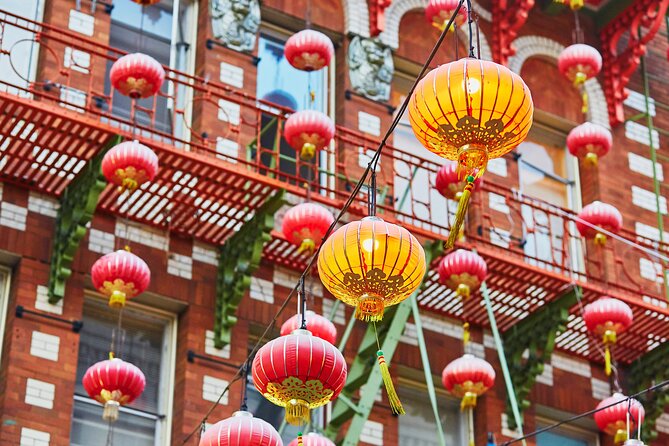
- Waverly Place painted balconies + an old temple with context on the 1906 earthquake and fire
- Ross Alley fortune cookie factory plus alley-history you won’t get from a postcard
- House of Dim Sum with steamed, baked, and fried dumplings, and vegan dumplings available if you ask
- Transamerica Redwood Park finish with redwoods in the shadow of downtown offices
Why this Chinatown tour feels different than a food stop
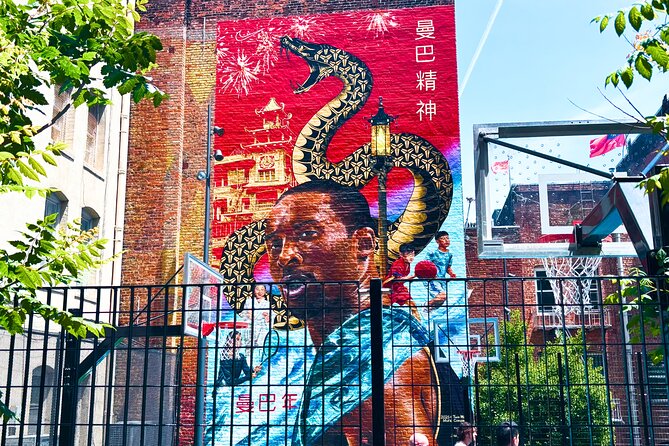
San Francisco’s Chinatown can be photographed in a single afternoon. What this tour adds is meaning. You walk through streets where the architecture, the politics, and the community rebuilding are all part of what you’re eating and seeing.
What I like most is how the food moments are spaced to match the stories. You’re not just being handed dumplings and sent on your way. You get the why: Chinese immigration and community formation, the neighborhood’s post–1906 recovery, and how local leaders fought for visibility in city government. You also get a couple of very specific visual anchors—Waverly Place’s painted balconies and Ross Alley’s fortune cookie stop—so the history lands as something you can point to.
The second reason this tour works is the pace. The guide keeps things moving, but it doesn’t feel like a sprint. Stop times are short, yet there’s enough explanation at each one to make you feel oriented rather than herded.
You can also read our reviews of more food & drink experiences in San Francisco
Price and what $49 actually buys you
At $49 per person for about 2 hours, the value mostly comes from the included food and the guided context. The tour includes dumplings at a dim sum restaurant (steamed, baked, and fried styles), and you’ll also taste items at the bakery along the route. That’s a lot more than the typical walking tour where “food” is one small sample.
You should also plan for extras. The tour suggests bringing around $20 if you want to buy more food at stops beyond what’s included. So your $49 is the baseline for the tastings and the sit-down dumplings, but you’re not locked into only that.
One smart trick: treat the included dim sum like your main lunch moment. If you arrive hungry and you manage to leave full, you’ll feel the deal quickly.
Start at Woh Hei Yuen Park: the calm opener before the crowds
The tour begins at Woh Hei Yuen Park (5 minutes). This is a good way to start because it’s a park-and-playground setting, not immediately a street-market crush. You might even catch people dancing to traditional Chinese music. If that happens, great—you’ll get a sense that Chinatown isn’t only history and storefronts. It’s also everyday culture.
This first stop is short on purpose. You’re getting bearings for the neighborhood and warming up for what’s next. Wear comfortable shoes right away; Chinatown streets are full of small turns and uneven sidewalks.
Gum Moon Residence Hall: missionaries, education, and safety nets
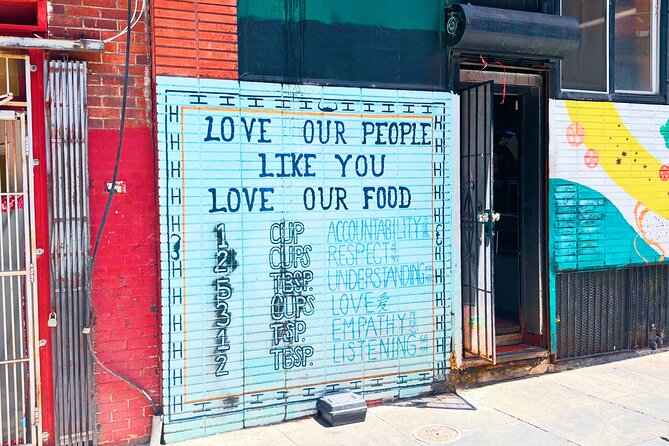
Next comes Gum Moon Residence Hall (about 5 minutes). Here the guide explains the role of Christian missionaries—advocating, educating, and sometimes sheltering members of the Chinatown community.
This stop matters because it adds nuance. “Community” is more than restaurants and temples. Institutions—religious and civic—shaped people’s lives, especially as new immigrants searched for stability in a big city that could be indifferent.
If you like history that’s grounded in real community support, this is one of those pauses that makes the food stops hit harder later.
AA Bakery & Cafe: buns, egg tarts, and sesame balls in a quick tasting
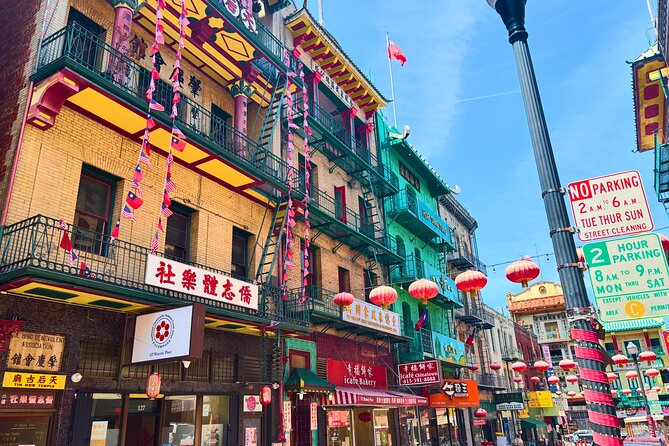
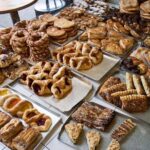
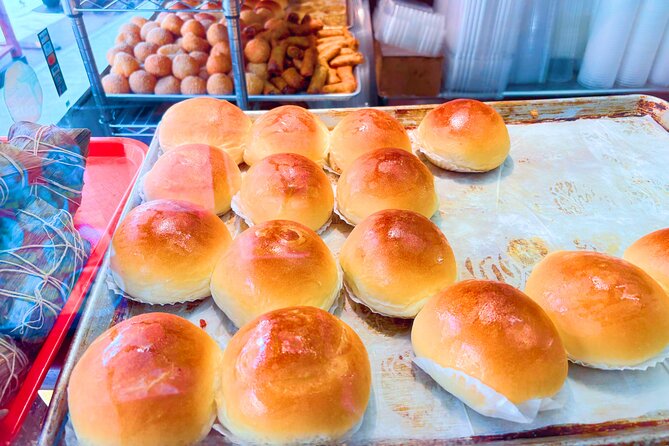
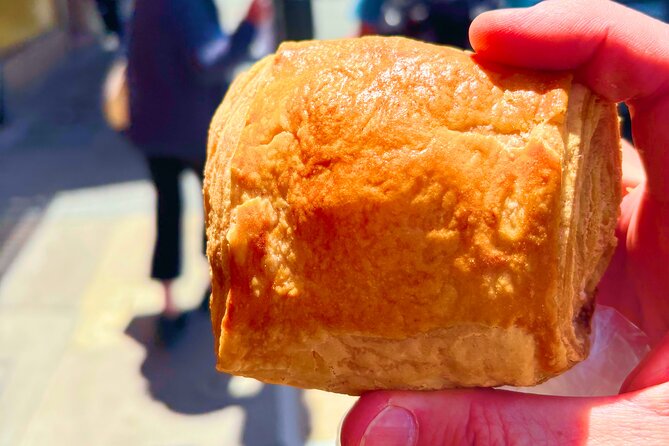
About 15 minutes at AA Bakery & Cafe is where you start thinking with your stomach. You’ll taste fresh bakery items like buns, egg tarts, and sesame balls, among other treats.
What makes this stop practical is that it’s not a full meal. It’s enough to get you excited without spoiling your appetite for the dim sum portion later. It also helps you read the neighborhood as you walk—sweet-and-savory smells trail you right down the street.
Quick tip: ask your guide what to try first if you’re unsure. Bakery tastings can be easy to over-order on your own later, but guided suggestions help you sample a better mix.
You can also read our reviews of more tours and experiences in San Francisco

Chinatown-Rose Pak Station: politics that changed what the neighborhood got
At Chinatown-Rose Pak Station (about 5 minutes), the story shifts to political influence. You’ll hear about Rose Pak and how she amplified Chinatown’s political voice—bringing SF’s first Chinese American mayor to office and pushing for the city’s new subway line to reach the neighborhood.
Even if politics isn’t your favorite topic, this is a useful one to hear on a walking tour. It explains why certain parts of modern Chinatown feel connected to the rest of the city, instead of isolated. You’ll also understand the neighborhood’s “why now” moments when you see transit and public infrastructure near the storefronts.
Waverly Place painted balconies and the oldest temple in town
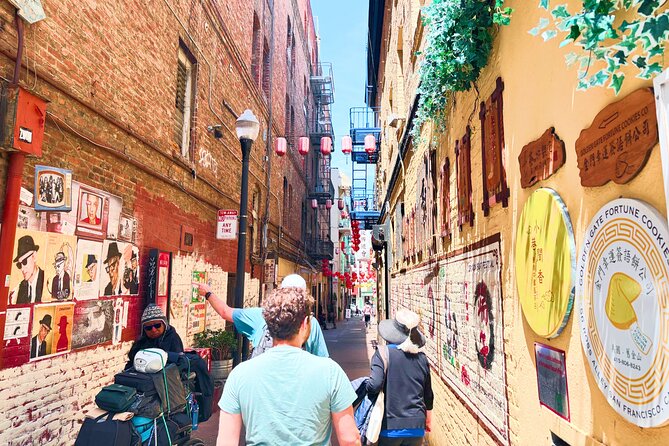
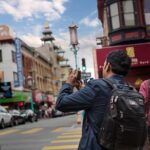
After the station stop, you’ll walk along the street of painted balconies and see the oldest Chinese temple in town. This is one of the most visually rewarding parts of the tour, but it’s also where the guide connects visuals to disaster and rebuilding.
You’ll hear about the devastating 1906 earthquake and fire—and how Chinatown responded afterward. That link is important: it turns beautiful architecture into evidence. People rebuild with what they have, and communities fight to keep cultural identity visible even after catastrophe.
Practical note: take a phone for photos, but keep moving. This stretch is popular for pictures, so don’t block walkways. Also, painted balcony viewing tends to involve standing at angles, so watch your footing.
Ross Alley: fortune cookie factory and the darker side of alley life
Next is Ross Alley (about 10 minutes), including a stop at a fortune cookie factory. You’ll also hear stories about criminal gangs that once prowled the alleys.
This is the tour’s good reality check. Chinatown isn’t only charming angles and food. Like any dense city district, it has a past with conflict, fear, and power struggles. Hearing that while you’re physically in the alley makes the history feel less abstract.
Fortune cookie talk is fun, too. You get the sense of how commercial traditions became part of Chinatown’s modern identity—something that visitors can take home, even if they don’t know the alley stories behind it.
Grant Avenue architecture: bold colors with a reason
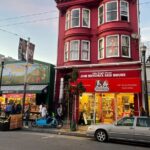
At Grant Avenue (about 5 minutes), you’ll walk past striking buildings and learn the story behind Chinatown’s bold, colorful architecture.
This stop works best if you slow down just a little while you look up. The guide’s explanation helps you see that the look isn’t random decoration. It’s connected to community pride, history, and how Chinatown has presented itself to the wider city.
If you’re the type who normally walks past building facades without noticing details, this part changes that habit fast.
House of Dim Sum: steamed, baked, and fried dumplings (plus vegan options)
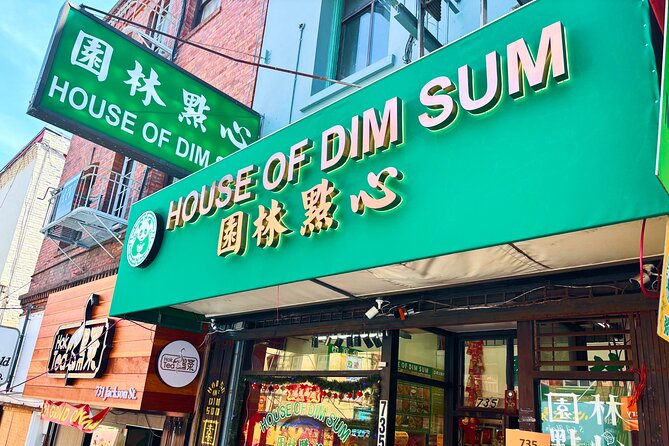
Then you hit the main included food stop: House of Dim Sum (about 15 minutes). You’ll enjoy a variety of steamed, baked, and fried dumplings, included in the tour price.
This is where the tour earns its name. Instead of one item that’s easy to snack on and forget, you get multiple textures and cooking styles. It’s also the best time to pause and sit for a moment.
Dietary note: the restaurant can offer vegan dumplings. If you want this option, tell your guide you prefer vegan dumplings. Plan to communicate early so the meal is handled smoothly.
If you’re doing this as a lunch plan, I’d treat this as your main stop. You’ll leave with enough food to keep walking, but you’ll want to save room for the final stroll and photos at the end.
Transamerica Redwood Park: redwoods where you least expect them
The tour ends at Transamerica Redwood Park (about 30 minutes) near 600 Montgomery St. Expect a grove of redwood trees right in the middle of downtown office-country—an unexpected breather after busy street corners.
This is a great ending because it gives you time to decompress. You can take photos without rushing, and you’re not forced into another long food stop. It’s also a smart “finish point” for planning the rest of your day since it’s close to major transit.
Who this tour is best for (and who should pick a different one)
This works especially well if you want:
- a Chinatown walk with structure, not just wandering
- food tastings that connect to specific landmarks
- history you can remember because it’s tied to buildings and alleys
It might not be your perfect match if:
- you prefer very long museum-style stops (this one is timed)
- you want a fully unstructured food crawl where you pick everything yourself
- you really dislike walking in a dense city neighborhood
Group size is capped at 15, which helps the guide keep a steady pace and still respond to questions.
Practical tips to make the 12:30 start feel easy
The tour starts at 12:30 pm, and it’s designed as a daytime plan. If you’re using this as your lunch anchor, arrive hungry enough to enjoy bakery tastings and still feel ready for dumplings.
A few common-sense tips:
- Wear comfortable shoes with grip. Chinatown sidewalks can be uneven.
- Bring a little extra cash for optional purchases (the tour suggests about $20).
- If you need vegan dumplings, tell the guide before you sit down.
- Take breaks for photos, but keep moving—most stops are short.
Because there’s a lot of walking in close quarters, it also helps to travel light and keep your phone ready for the painted balconies and alley views.
Should you book this Chinatown food and culture walking tour?
Yes, if you want your Chinatown food experience to come with context. For $49, you’re getting included dim sum dumplings, bakery tastings, and a guide who frames the neighborhood through politics, community life, and the 1906 rebuilding story. The pace feels controlled rather than chaotic, and the stop selection hits both the iconic and the meaningful.
Skip it (or pair it with extra time on your own) if you’d rather linger at places for 30–60 minutes. This tour is built for highlights in about two hours, not slow wandering.
If you’re trying Chinatown for the first time, this is one of the best ways to get your bearings fast—then you can go back later and explore at your own speed.
FAQ
How long is the San Francisco Chinatown Food and Culture Tour?
It runs for about 2 hours.
What’s the price per person?
The price is $49.00 per person.
Where does the tour start and end?
It starts at Woh Hei Yuen Park in San Francisco and ends at Transamerica Redwood Park at 600 Montgomery St.
What food is included?
The tour includes dim sum dumplings (steamed, baked, and fried) as part of the price.
Can you get vegan dumplings?
Yes. The dim sum restaurant can offer vegan dumplings if you let your guide know you prefer this option.
Is this a walking tour, and is it suitable for most people?
It’s a 2-hour walking tour, and the tour notes that most people can participate.
How big is the group?
The group is limited to a maximum of 15 people.
Is a mobile ticket used, and are service animals allowed?
Yes, the tour uses a mobile ticket, and service animals are allowed.
What’s the cancellation policy?
You can cancel for a full refund if you cancel at least 24 hours before the experience starts. If you cancel less than 24 hours before, the amount paid is not refunded.