REVIEW · SAN FRANCISCO
Golden Gate Park Twilight Wildlife Walking Tour
Book on Viator →Operated by Beasts of the Bay Area · Bookable on Viator
Twilight in Golden Gate Park brings surprises. This Golden Gate Park Wildlife Walking Tour at dusk turns the park into a live nature show as you listen and scan for birds that wake up when the light drops. I especially like how close it feels to the action around Blue Heron Lake, and I like the way the guide ties sightings to what’s actually going on in the park.
This is led by Dave, and his style is part field guide, part friendly local. One moment you’re tracking herons and ducks; the next you’re learning what makes Golden Gate Park tick beyond the big postcard stuff. I also appreciate the small-group setup, since it keeps the pace calm and the focus on noticing what’s there, not rushing past it.
One fair caution: wildlife timing is wildlife timing. If it’s loud nearby, owls can hold back, and sightings can vary from night to night.
In This Review
- Golden Gate Park After Dark: The Real Point of This Tour
- Key Things I’d Watch For Before You Go
- Where You Meet and How the Walk Fits Your Evening
- Dave’s Role: Guide, Interpreter, and Owl-Spotting Partner
- Golden Gate Park Wildlife Focus: What You’re Likely to See
- Blue Heron Lake: The Heart of the Twilight Bird Search
- Owl Spotting at Twilight: Listening Helps When Looking Fails
- Park History Without a Lecture Vibe
- Photo Opportunities: When Twilight Gives You Better Light
- Accessibility and Group Pace: This Is Built for Most People
- Price and Value: What $40 Buys You Here
- Who Should Book This Twilight Wildlife Walk
- Should You Book This Twilight Wildlife Tour?
- FAQ
- Where does the Golden Gate Park Twilight Wildlife Walking Tour start?
- How long is the tour?
- What is the price per person?
- Is there free admission included?
- Is the tour offered in English?
- How big is the group?
- Do I need a printed ticket?
- Can I cancel and get a full refund?
- Are service animals allowed?
Golden Gate Park After Dark: The Real Point of This Tour
Golden Gate Park is huge and busy in the daytime. At twilight, it changes. You slow down, you listen more than you talk, and you start noticing the smaller movements—feathers lifting, heads turning, and that telltale stillness that means a bird is watching you back.
At 1 hour 30 minutes, you get enough time to cover ground on foot without turning it into an all-evening marathon. The tour is priced at $40 per person, and you’ll often spot birds quickly once your eyes adjust. For me, the best part is that the focus is narrow: wildlife first, park context second, and you don’t need to be a birder to enjoy it.
Key Things I’d Watch For Before You Go
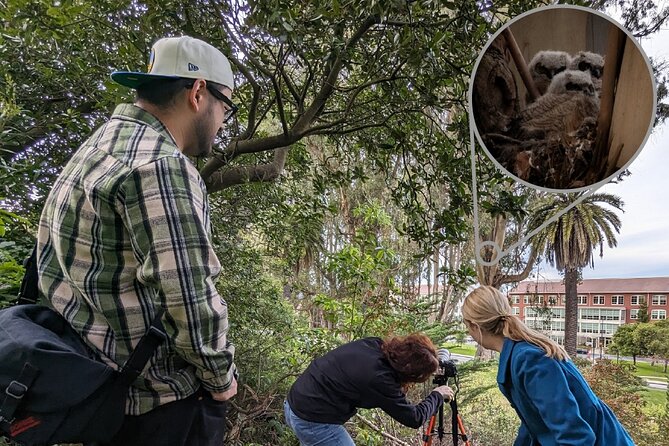
- Max 10 travelers means you’re not lost in a crowd, and the guide can actually keep eyes on everyone.
- Twilight timing helps you catch the birds that become active as the day cools down.
- Dave’s bird-and-park coaching helps you see more than you expected, even when the wildlife is shy.
- Blue Heron Lake is the main stage, with a good chance to spot herons and ducks close by.
- Quiet matters since noise can affect when birds decide to move or call.
You can also read our reviews of more walking tours in San Francisco



Where You Meet and How the Walk Fits Your Evening
You’ll start at 50 Blue Heron Lake Dr, San Francisco, CA 94118, and the tour ends back at the same meeting point. That’s simple and helpful. After 1 hour 30 minutes, you’re not stranded across town with no clear way home.
The tour uses a mobile ticket, and you’ll receive confirmation at booking time. It’s also offered in English, with a max group size of 10. If you like getting a plan that stays close to the basics—meet, walk, learn, return—this tour fits that style well.
You’re also in an area that’s near public transportation, so you’re not forced into a taxi situation just to experience the park. If you’re visiting San Francisco and want a low-stress evening activity, this is the kind of thing that works.
Dave’s Role: Guide, Interpreter, and Owl-Spotting Partner
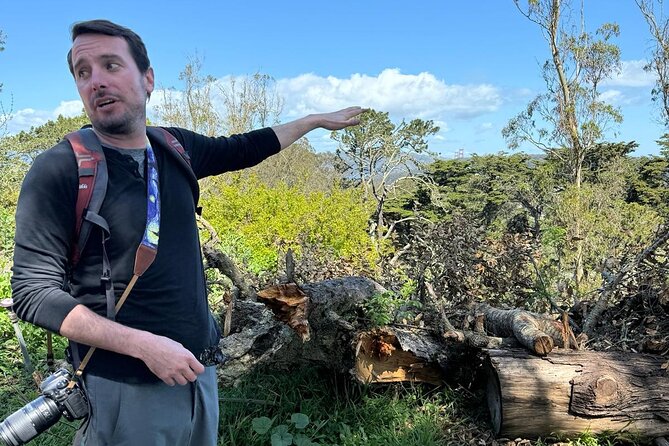
The big reason this tour works is the guide. Dave isn’t just naming birds like a brochure. He’s helping you understand the behavior behind what you’re seeing.
In the field, that means you’ll often know what to look for and why. People in the group have mentioned how he calls out specific birds around the park, and he’s attentive enough to notice details like different herons and ducks. He also connects the park to the wildlife, which is important because Golden Gate Park isn’t just a bunch of trees and paths. It’s a managed habitat that supports birds, including ones you’d never guess are right there in the city.
And yes, the goal of seeing owls is real here. On some nights, the best action comes from listening as much as looking—especially for calls that happen from the trees.
Golden Gate Park Wildlife Focus: What You’re Likely to See
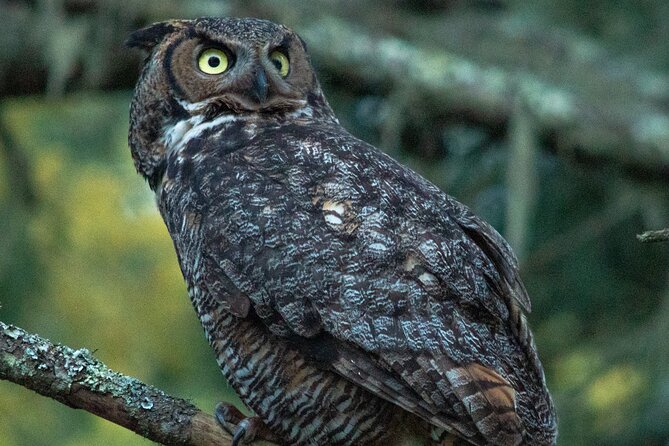
This is a wildlife walk, so the right mindset is curiosity, not certainty. Your chances go up because the guide keeps scanning for birds around the park and around the water areas, where feeding and resting behavior is easier to spot.
Based on what people have experienced, expect the tour to concentrate on birds such as:
- Herons and ducks around Blue Heron Lake
- Owls in the park area you’re walking through
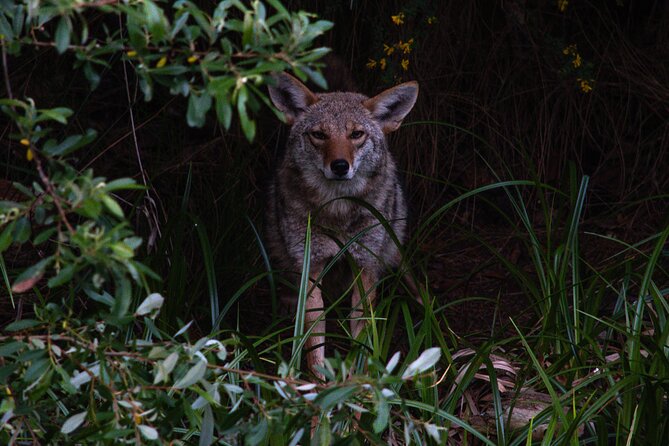
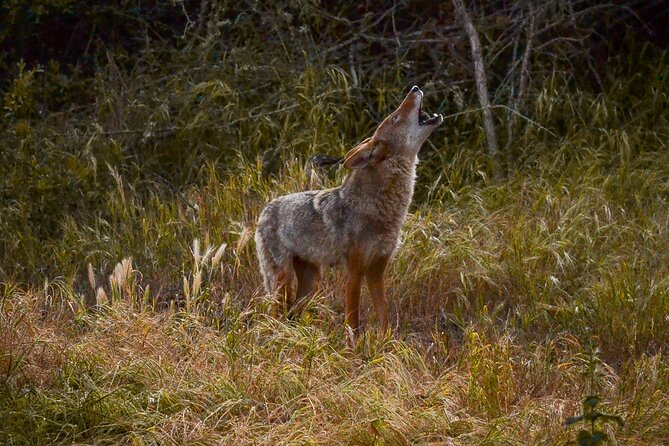
- Occasional other wildlife moments like coyotes (timing-dependent)
- Bird variety that can include things like cormorants and hummingbirds, depending on conditions
Even when an owl doesn’t show right away, the tour often still feels like it’s paying off because you’re learning how to read the park. You start to recognize the difference between random movement and purposeful wildlife activity.
Blue Heron Lake: The Heart of the Twilight Bird Search
If you’re going to remember one setting from this tour, make it Blue Heron Lake. It’s where you’re most likely to focus your attention on birds that feed, rest, or watch from nearby trees and water edges.
This is also where the tour feels most “hands-on” in the sense that you can scan a defined area and see changes over time. One reason people love this kind of twilight walk is that birds don’t always move constantly. Sometimes they pause, sometimes they reposition, and sometimes you catch them mid-behavior because you’re there at the right moment.
You’ll also get park context while you’re looking. Folks have described how Dave shared history tied to the lake and the larger park experience, so you’re not just staring at birds. You’re understanding how this place supports them.





Owl Spotting at Twilight: Listening Helps When Looking Fails
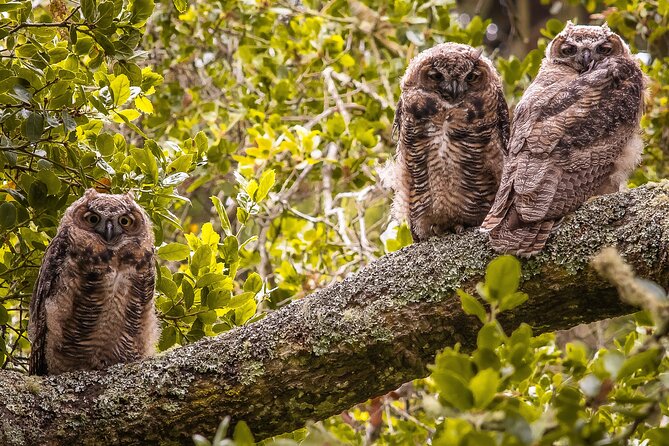
Owl sightings can be a dramatic payoff, but they can also be the part that tests your patience. Here’s the key practical idea: if you want owls, you should be ready to keep things calm and quiet.
One night can be perfect and another can be tougher. Noise from other park activity can discourage calls or movement, even when owls are nearby. That doesn’t mean the tour is a dud. It means the guide has timed the search for a moment when owls are more likely to respond to conditions.
What you can do to help the group:
- Keep your voice down near the birding stops
- Pause when Dave signals to watch and listen
- Be patient if the first sighting is only a call or a brief movement
The good news? Even if an owl doesn’t show at the first hoped-for spot, the guide is still actively scanning. In past outings, the excitement has come from an owl calling from the parking lot area later on, after the group had already returned. That’s a reminder to stay alert and don’t assume the tour is over just because the first moment didn’t hit.
Park History Without a Lecture Vibe
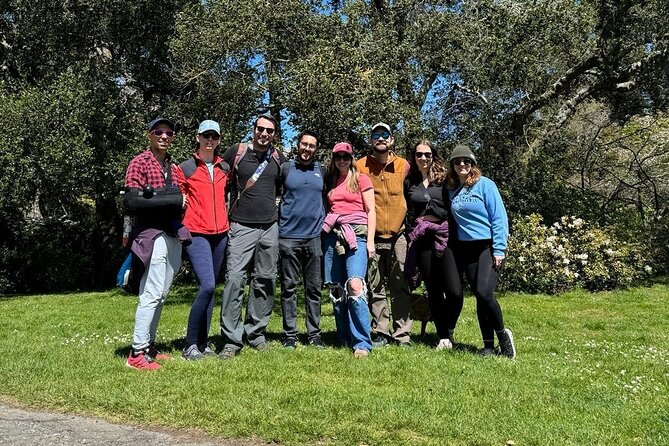
Golden Gate Park can feel like a science museum at street level: lots of paths, lots of history, and lots of reasons for why things are where they are. This tour doesn’t dump facts on you like homework.
Instead, Dave’s park history comes in short, useful pieces that connect directly to what you’re seeing—like how the park setting supports nesting and feeding behavior for birds. People have mentioned learning about details such as where birds are found around the lake areas, and how birds nest in higher spots you might not notice from a casual walk.
If you like your history practical—meaning you can look around and think, that makes sense—this tour hits that tone.
Photo Opportunities: When Twilight Gives You Better Light
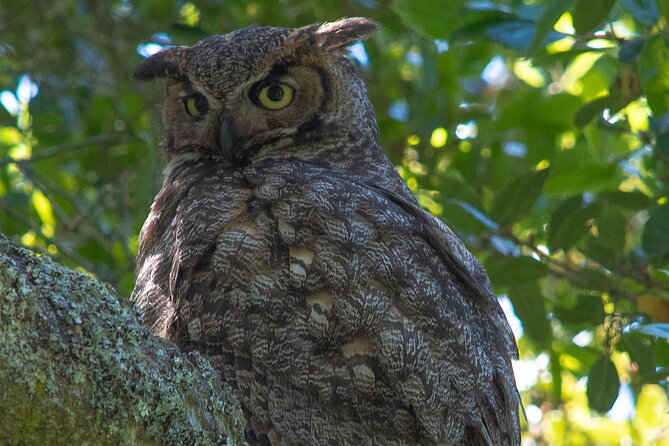
Photographers often like this tour because it’s timed for the softer evening light and because birds sometimes hold still long enough to shoot. But the photos aren’t just about pretty scenery. They’re about recording behavior: head turns, perched positions, and the moment a bird decides you’re not worth the chase.
A simple tip: bring your camera settings in a ready-to-go state before you arrive. Once you’re in the moment and Dave is pointing out wildlife, you won’t want to spend time fiddling with menus. Twilight is great for atmosphere, but it’s not great for slow tech setup.
Accessibility and Group Pace: This Is Built for Most People
The tour is listed as something that most travelers can participate in. That’s a good sign if you want a walking experience without it turning into a strenuous hike. The small group size also helps with pace—if someone needs a pause or needs the guide to repeat something, it’s not a problem.
That said, you should still wear shoes you trust on uneven park ground. Golden Gate Park paths can be smooth in places and a bit rough in others. Bring layers too; evenings in San Francisco can feel cooler than you expect.
Price and Value: What $40 Buys You Here
At $40 per person for about 1 hour 30 minutes, this is priced in the sweet spot for a guided outdoor experience. You’re paying for:
- A focused guide-led search for wildlife during a time window when birds are more active
- A small group size (max 10)
- Park context that helps you understand what you’re seeing
- A walking route that stays centered around the park’s key bird areas
Also, the tour includes a free admission ticket component for the park context you’re using during the experience. That matters because you’re not stacking the cost with extra entry fees once you’re already there.
The tour is commonly booked around 5 days in advance, which tells me the demand is steady. If your schedule is tight, grabbing a spot sooner is smart.
Who Should Book This Twilight Wildlife Walk
This is a strong choice if:
- You want a city wildlife experience without needing serious gear
- You enjoy walking with a guide who points out what to notice
- You’re visiting San Francisco and want something real beyond viewpoints
- You live nearby and want a different way to experience the park at night
- You’re traveling with kids who like animals and facts, since families have found the mix of wildlife and park history engaging
It may be less ideal if:
- You need guaranteed owl sightings every time (no twilight tour can promise that)
- You hate quiet scanning and prefer fast-paced sightseeing
- You’re sensitive to evening cool-downs and long pauses for wildlife to show
Should You Book This Twilight Wildlife Tour?
If you like the idea of Golden Gate Park as an animal habitat instead of a daytime attraction, I’d say yes. The guide’s focus on wildlife behavior, plus the calmer small-group feel, makes it a good use of an evening hour and a half. And even when the big owl moment is delayed, the tour still teaches you how to watch the park the way locals do.
Book it if you want a guided walk that helps you see more than you would on your own, especially around Blue Heron Lake and the owl-search rhythm of twilight.
FAQ
Where does the Golden Gate Park Twilight Wildlife Walking Tour start?
The tour starts at 50 Blue Heron Lake Dr, San Francisco, CA 94118, USA.
How long is the tour?
It lasts about 1 hour 30 minutes.
What is the price per person?
The price is $40.00 per person.
Is there free admission included?
The tour includes an admission ticket that is listed as free.
Is the tour offered in English?
Yes, it’s offered in English.
How big is the group?
The tour has a maximum of 10 travelers.
Do I need a printed ticket?
No. You’ll have a mobile ticket.
Can I cancel and get a full refund?
Yes. You can cancel up to 24 hours in advance for a full refund.
Are service animals allowed?
Yes, service animals are allowed.