REVIEW · SAN FRANCISCO
San Francisco Chinatown Walking Tour
Book on Viator →Operated by All About Chinatown Tours · Bookable on Viator
Fortune cookies and secret alleys. This San Francisco Chinatown walking tour turns everyday street time into a real sense of place, with stops like the fortune cookie factory and an herbal pharmacy where you’ll hear what specific items were used for. I like that it mixes famous landmarks (so you’re not lost) with side streets and weird little storefronts you’d miss on your own, and I like the small-group feel that makes it easy to ask questions. One possible drawback: at $59 for about 2 hours, it can feel like you’re paying mostly for the guide and the access to specific shops—so if you want a lot of museum-style time, this is more walk-and-see than sit-and-learn.
You start near Old St. Mary’s Cathedral and you’ll cover enough ground to understand Chinatown’s layout fast. Expect plenty of sensory stops: food markets with dried goods, a cookie-making moment you can actually watch, and an alley stop tied to temples and private clubs. Dress for sun or rain, and remember you’re walking through a real neighborhood, so timing and pace can flex with the group.
In This Review
- Key stops that make this Chinatown walk feel different
- Old St. Mary’s Cathedral to Portsmouth Square: getting your bearings fast
- Stockton Street food markets: what you should look for (and how to ask)
- Golden Gate Fortune Cookies Co: watching the cookies get made
- The herbal pharmacy and dried goods store: health ideas you can understand
- Waverly Place and the Street of the Painted Balconies: architecture with a story
- Grant Avenue shop stop and pagoda-style architecture at East West Bank
- What you actually get from a ~$59, 2-hour walking format
- Should you book this Chinatown walking tour?
- FAQ
- Where does the Chinatown walking tour meet?
- What time does the tour start?
- How long is the tour?
- How many people are in the group?
- What language is the tour offered in?
- Is the tour still operating in bad weather?
- What’s included in the price?
- Does the tour allow service animals?
Key stops that make this Chinatown walk feel different
- Old St. Mary’s Cathedral start: a clear meeting anchor before you head into the maze of Chinatown streets.
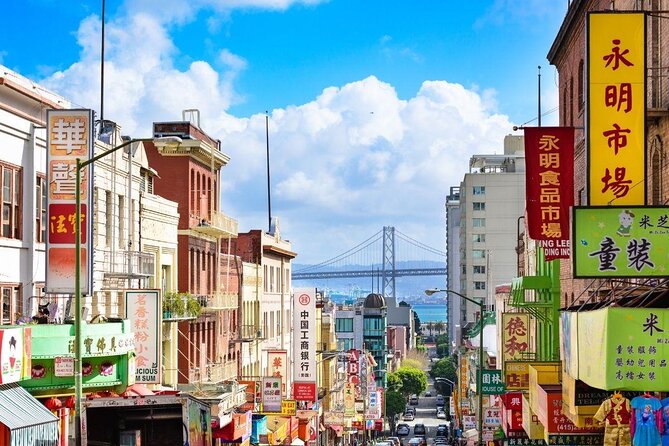
- Portsmouth Square: Chinatown’s “outdoor living room,” with civic-history context.
- Stockton Street food markets: see how produce, seafood, and specialty ingredients fit local life.
- Golden Gate Fortune Cookies Co: watch the process and get a sample of the finished cookies.
- Herbal pharmacy + dried goods store: hear about items like ginseng root, pearl pills, gecko lizards, and more.
- Waverly Place / Street of the Painted Balconies: the architecture and alley history feel like a story you can walk into.
Old St. Mary’s Cathedral to Portsmouth Square: getting your bearings fast
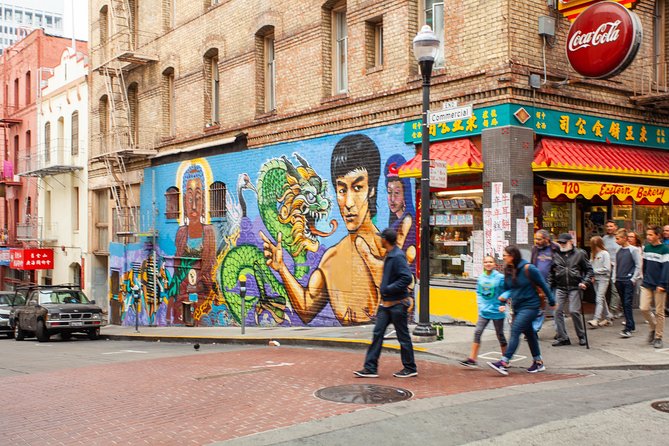
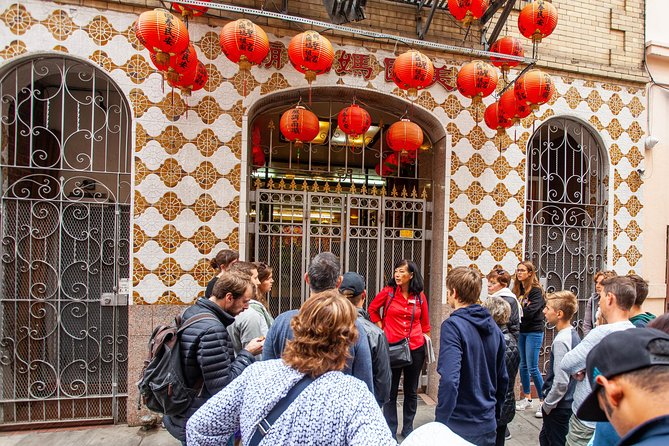
I like tours that don’t just list sights—they help you read the neighborhood. This one starts at Old St. Mary’s Cathedral, 660 California St., which is a smart choice: it’s easy to find, and it gives you a recognizable point before you start turning corners. From there, your guide sets the tone with Chinatown’s history and how the community has kept its traditions visible over time. It’s not presented as a vague “look at cultures” moment; you’ll get enough background to understand why certain buildings and street features look the way they do.
A first major stop is Portsmouth Square, the outdoor hub often treated like Chinatown’s civic living room. It’s tied to some of San Francisco’s early milestones—like the first American flag, the first public school, and the first cable car line—so you can connect Chinatown’s story to the city’s broader timeline. That matters, because it prevents the visit from becoming a theme-park version of Chinatown that’s separated from real geography and real history.
If you’re visiting for the first time, this opening stretch helps you orient quickly. If you’ve been to Chinatown before, it still helps because it reframes what you’re seeing as a system: streets, institutions, markets, and gathering places.
You can also read our reviews of more walking tours in San Francisco
Stockton Street food markets: what you should look for (and how to ask)
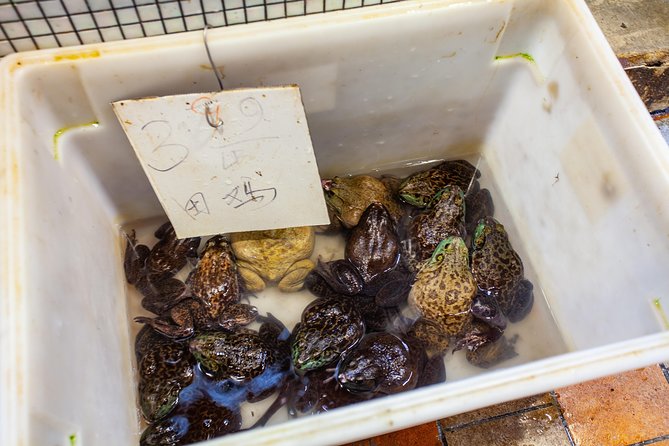
Once you hit Stockton Street, the tour shifts from “history talk” to “daily life watching.” You’ll spend time strolling among the Stockton Street Food Markets, where the point isn’t just to see lots of produce. It’s to understand how specialty food stores support local eating habits and ingredient preferences—especially when it comes to seafood and less-common ingredients.
Here’s what I think is worth doing: don’t treat the markets like a photo safari. Use the walk time to slow down at the displays and ask your guide what you’re actually looking at. Even simple questions work—what’s dried versus fresh, what families buy for home cooking, and how these products relate to health remedies and cultural traditions (which you’ll connect later when you reach the herbal and dried-goods stops).
One practical note: markets can be busy, and sidewalks can get tight. Wear shoes you can handle all day. Also, you’ll be outside for much of the tour, so bring sunglasses or rain gear depending on the forecast. The operator runs rain or shine, so your planning matters more than usual.
Golden Gate Fortune Cookies Co: watching the cookies get made
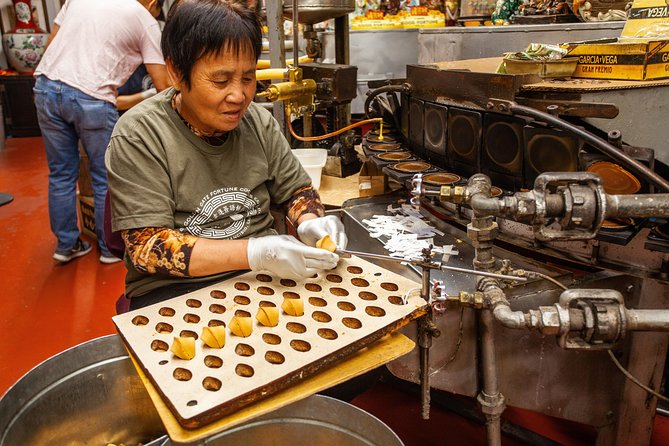
The fortune cookie stop is short—about 10 minutes—but it’s one of those moments that feels small in time and big in payoff. You’ll visit Golden Gate Fortune Cookies Co, where you’ll sample the cookies and watch how they’re made.
Why this stop works: it turns a common souvenir into a living process. You get to see that the cookie-making isn’t just a cute gimmick—it’s production, timing, and consistency. And sampling gives you something immediate to connect to the story your guide is telling.
If you’re traveling with kids or teens, this is usually the moment that makes everyone lean in. Even if you already know what’s inside a fortune cookie (or think you do), watching how it’s made helps it feel real, not just packaged.
Timing heads-up: if your group is traveling in peak lunch hours, the cookie stop can be a nice break point, but the tour still continues afterward. Don’t plan a long meal right away at the end; save lunch for after you finish so you can keep the tour’s route flowing.
The herbal pharmacy and dried goods store: health ideas you can understand
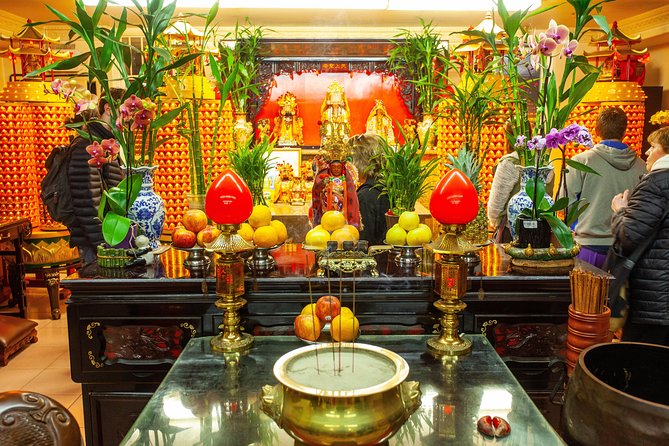
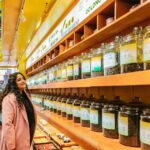
This is the part of the walk that surprises most people—in a good way. You’ll visit an herbal pharmacy and hear about medicinal uses of specific items, including ginseng root, pearl pills, and gecko lizards. Later, you’ll also stop at a dried goods store where you can see items like ginseng, bird’s nests, fish bladders, sea cucumbers, abalone, and more.
Even if you’re not interested in home remedies, the educational value is how the guide translates the items into context. You’re not just looking at jars; you’re learning how traditional food-as-medicine ideas developed and why they show up in Chinatown shops. It’s also a chance to notice how signage, packaging, and store layouts communicate purpose—even if you can’t read everything.
One consideration: this stop involves unusual products. If your comfort level is lower around animal-derived ingredients or you don’t want any medical “what it’s used for” conversation, you’ll still likely get something out of the history and cultural framing, but it may not be your favorite moment.
My advice: treat it like a cultural science lesson, not a medical recommendation. Ask what the items are commonly used for in traditional practice and what symbolism or demand might explain why they remain visible in modern storefronts.
Waverly Place and the Street of the Painted Balconies: architecture with a story
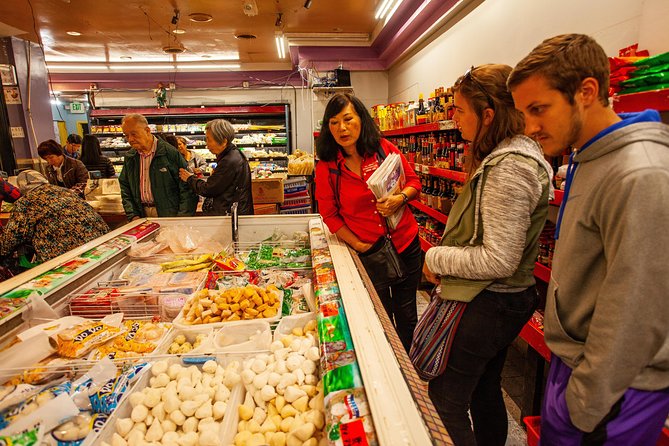
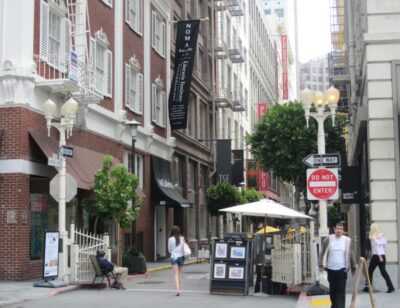
This stretch is where the tour turns cinematic. You’ll visit the Street of the Painted Balconies and pass through Waverly Place, a short alley area where you’ll hear about temples and secret clubs. It’s only a couple blocks, but the guide’s commentary gives you a way to read the space—especially the architectural details that can look ornamental until someone explains why those features matter.
I like this stop because it connects three things that tourists often keep separate: design, community, and power structures. Buildings aren’t just pretty here; they’re part of how people organized themselves and how they managed public visibility versus private life.
If you’re a building-watcher, take a moment to slow down at the façades and look for recurring design cues—especially anything that resembles Asian pagoda-style elements. Your guide also ties this part of the walk into how Chinese language complexity shapes daily life, which sets up a later stop where that theme continues.
This is also a good stop for photo breaks, but don’t block doorways or slow down groups behind you. Narrow alleys are not the place to linger for long—use the time you’re given and keep the flow.



Grant Avenue shop stop and pagoda-style architecture at East West Bank
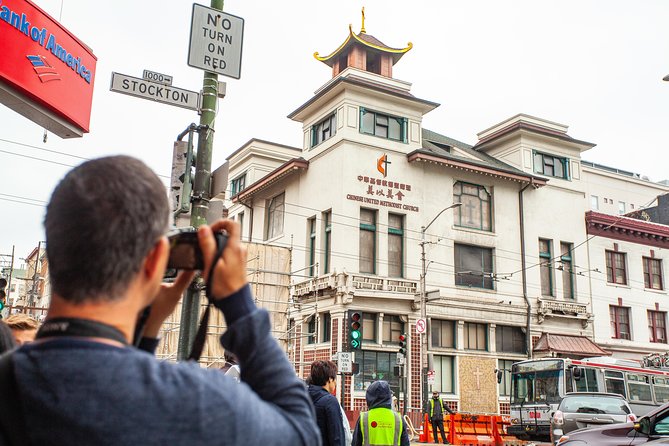
Your tour spends time along Grant Avenue, and the guide uses storefronts as teaching tools. One stop focuses on a stationery or party goods supply type store—basically, the kinds of shops you’d assume are boring until someone explains what they sell and who buys them. It’s a practical way to understand how people prepare for gatherings, celebrations, and everyday needs.
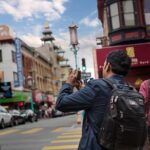
Then you’ll look at the East West Bank building as an example of pagoda-style architecture. The guide also explains what was here before the bank, and ties it to how written and spoken Chinese work in complicated ways. That’s a smart finishing-thread because it reminds you that language isn’t just a label—it affects signage, identity, and even how people interpret the street around them.
If you’re shopping, this part of Grant Avenue is a good time to do quick browsing. But keep your expectations realistic: this tour is mainly an introduction, not a shopping spree. The goal is to help you know what you’re seeing so you can make better choices once you’re on your own.
What you actually get from a ~$59, 2-hour walking format
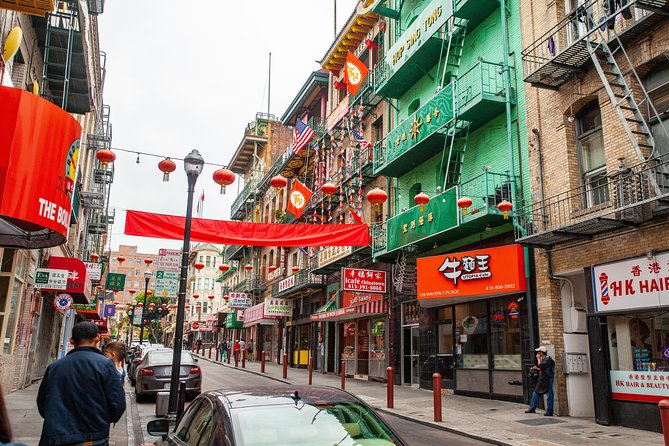
At $59 per person for about 2 hours, you’re paying for two things: a guide who can connect dots across history, daily life, and shop culture—and access to short, specific stops where you’d otherwise have to guess what to look for. The stops you can’t fully replicate on your own include the fortune cookie-making observation and guided time inside the herbal and dried goods storefronts. Most other sightseeing value is in interpretation, not in ticketed attractions.
The format also helps. With a maximum of 15 travelers, it’s not a giant crush, and the guide can adapt explanations for different ages and interests. You should feel comfortable even if you’re not the type who reads every plaque. You’ll also have enough walking time to feel like you’re mapping Chinatown, not just sampling it.
If you’re worried the tour might feel slow, that’s a fair concern to consider. Some groups want faster pacing and heavier “big sights.” But based on the way this tour is structured—short stops, lots of commentary, and time for photos and questions—the pacing is more about comprehension than speed.
Who it’s best for:
- First-timers who want a guided orientation plus a few memorable “wow” stops
- Food-curious travelers who want to connect ingredients to culture
- Families with kids or teens who benefit from hands-on, watch-and-sample moments
- Travelers who like small groups and a guide who can answer follow-up questions
Should you book this Chinatown walking tour?
Yes, if you want Chinatown to feel understandable. This tour gives you context for the streets, then points your eyes at the things that matter: food markets, a cookie factory moment, and shop stops that explain traditional health and ingredient ideas. It’s a strong choice when you only have limited time in San Francisco and want your visit to land with meaning, not just photos.
Skip it—or choose a different style of tour—if you prefer long stops, museums, and deep indoor time, or if you strongly dislike the idea of seeing unusual medicinal ingredients. And if you’re the type who hates walking in sun or rain, do plan around weather since the tour runs rain or shine.
If your goal is a smart, entertaining introduction to Chinatown with memorable stops you’ll remember on the way back to your hotel, this one is a good bet.
FAQ
Where does the Chinatown walking tour meet?
You meet at Old Saint Mary’s Cathedral, 660 California St., San Francisco, CA 94108.
What time does the tour start?
The tour starts at 10:00 am.
How long is the tour?
It’s about 2 hours, approximately.
How many people are in the group?
The tour has a maximum of 15 travelers.
What language is the tour offered in?
The tour is offered in English.
Is the tour still operating in bad weather?
Yes, the tour operates rain or shine. Dress appropriately.
What’s included in the price?
The price includes a professional guide. There’s no hotel pickup or drop-off.
Does the tour allow service animals?
Yes, service animals are allowed.