REVIEW · SAN FRANCISCO
San Francisco Architecture Walking Tour
Book on Viator →Operated by San Francisco Architecture Walking Tour · Bookable on Viator
San Francisco reads like a building manual. This architecture walking tour uses street-level viewpoints and sharp historical context to help you see the Financial District with fresh eyes, even if you’ve been to SF before. I especially loved how the guide connects past and future urban planning to what you’re looking at, and how you get told exactly where to stand for the best building angles.
The only real catch is simple: it’s a 2.5-hour walk with no transportation included, so you’ll want to plan your route in advance and wear shoes that can handle city sidewalks.
You’ll meet at the front entrance of SFMOMA, then finish near Market and First. The group stays small (up to 10 people), and you also get a detailed handout listing the buildings on the route.
In This Review
- Key highlights
- Meeting at SFMOMA: Where the tour theme clicks
- Your 10-minute opener outside SFMOMA (and what to do with it)
- The core of the tour: classic and modern downtown architecture
- How the guide teaches you to see buildings from the right angles
- Insider history that’s practical, not academic
- The keepsake handout: what you’ll have when you’re back home
- Walking pace and fitness level: what to expect from a 2 hours 30 minutes format
- Ending near Market and First: finishing where you can keep exploring
- Price and value: what you’re really paying for
- Who should book this San Francisco architecture walking tour
- Should you book it?
- FAQ
- How long is the San Francisco Architecture Walking Tour?
- Where does the tour start and when?
- Where does the tour end?
- Do I need to buy a ticket for SFMOMA?
- Is transportation included?
- How big is the group?
- What fitness level do I need?
- What happens if the weather is bad?
- Can I get a refund if I cancel?
Key highlights
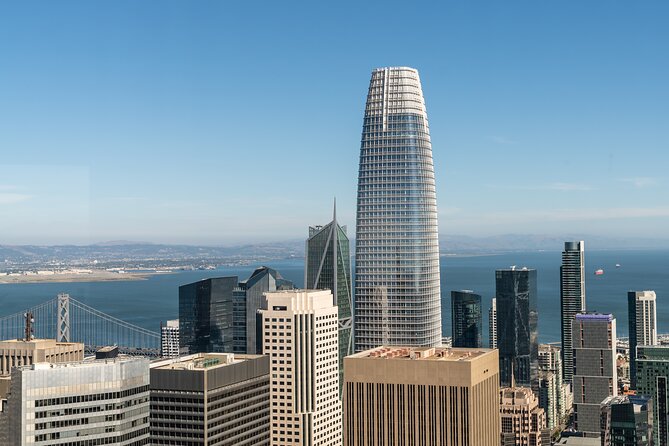
- SFMOMA as your starting anchor: you begin right at the museum’s front entrance, with an easy orientation to the day’s architecture theme.
- Street-level angles that actually work: you’re taught where to stand so buildings look right, not skewed by street clutter.
- Classic + modern Financial District focus: the route highlights key downtown architecture that other tours often skip.
- Urban planning explained in plain language: you connect architecture details to the city’s past and future plans.
- A handout you can use later: you leave with a detailed sheet describing all the buildings you saw.
- Small-group pacing: with a max of 10 travelers, it stays paced and conversational without feeling rushed.
Meeting at SFMOMA: Where the tour theme clicks
The tour starts at San Francisco Museum of Modern Art (SFMOMA), at 151 3rd St, right at the front entrance. Since your first moments are on the sidewalk, you don’t need to hunt for secret entrances or puzzle out a complicated meetup spot. It’s an easy “get your bearings fast” start in a part of town that already feels built for walking.
Expect the first stretch to be short and focused. You’ll spend about 10 minutes here, and it’s time to set the lens for what comes next. The museum admission itself isn’t included, so plan on this being an outside-first moment. If you also want museum time later, that’s a separate decision and separate ticket.
Why this opening works: SFMOMA sits in a part of downtown where you can quickly see how newer design sits next to older city patterns. The guide uses that contrast as a teaching tool, so the walking route doesn’t feel like random sightseeing. It feels like one continuous lesson.
You can also read our reviews of more walking tours in San Francisco



Your 10-minute opener outside SFMOMA (and what to do with it)
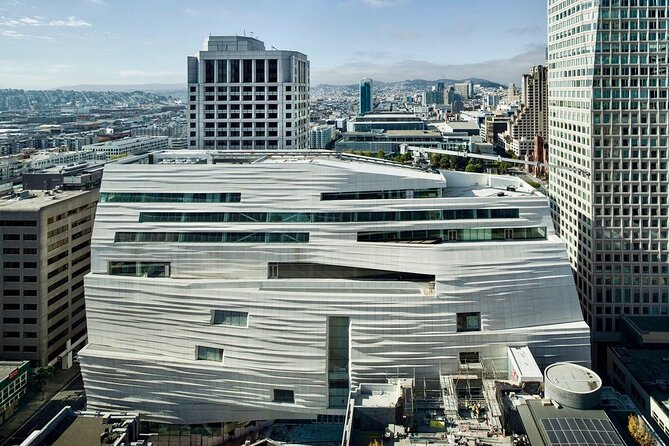
Since the tour begins at the front entrance and the SFMOMA admission ticket is not included, think of this segment as an orientation. You’re not being sent into a museum with a long checklist. Instead, the time is used to frame what you’ll be noticing as you move through the Financial District.
Here’s what you can do to get more out of those first minutes:
- Look for lines, setbacks, and how buildings relate to the street.
- Notice how the city’s layout shapes what you can see between structures.
- Pay attention to the guide’s notes on where the best views will be later.
This opener also helps you settle into the tour rhythm. The day is about observation—standing at the right place, then understanding what you’re seeing. If you walk in thinking you’ll just passively look up, you’ll miss the point. The tour makes you “practice seeing,” starting right away.
The core of the tour: classic and modern downtown architecture
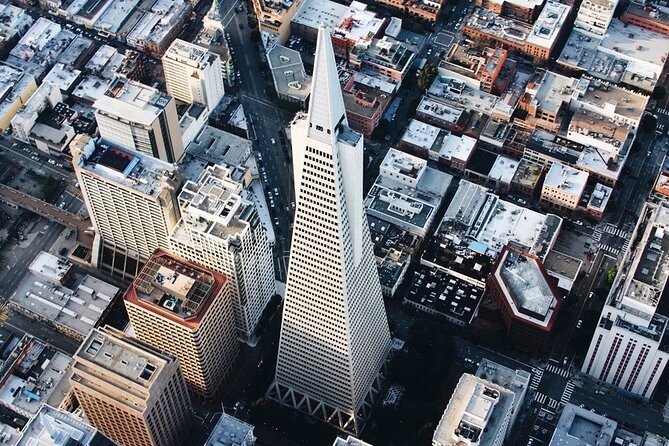
After that short start, the walk focuses on San Francisco’s Financial District, specifically areas south of Market Street. This is where the tour gets its own identity. A lot of SF architecture walks skew toward one style or one era. Here, you get both the older, more traditional downtown bones and newer additions that show how SF keeps reworking itself.
What makes this valuable is that you’re not only looking at facades. You’re learning how the city’s development decisions shape the built environment. The tour includes context on the past and future urban plan of San Francisco, and you’ll hear how planning choices influence street energy, building massing, and the way people move through downtown.
You’ll also get the “insider” part that’s hard to pull from guidebooks: the reasoning behind what’s interesting. The guide’s job is to translate architecture into something you can instantly recognize while you’re standing in the middle of it. That’s the real win. You leave with a mental model for reading the city.
How the guide teaches you to see buildings from the right angles
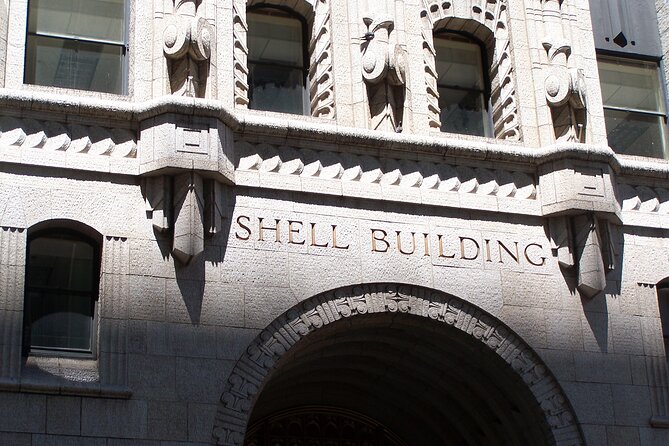
One of the most praised parts is how you’re guided to the best vantage spots for viewing buildings at their best angle. This matters more than it sounds.
In a city like San Francisco, you can stand in front of a building and still see the wrong “story.” A tall tower can look awkward if you’re too close or off-axis. A historic structure can seem flat if the street angle doesn’t let you notice proportion. The guide helps you avoid that. You stop where the perspective is correct—where you can actually compare parts of a building and understand its shape.
This is also where the small group size helps. With a maximum of 10 travelers, you’re not constantly waiting for people to shuffle into place. You get smoother transitions from one viewpoint to the next, and the guide can adjust explanations based on what you’re seeing.
So if you’ve ever said, I’ve seen this building, but I don’t get why it matters, this tour is built to fix that.
Insider history that’s practical, not academic
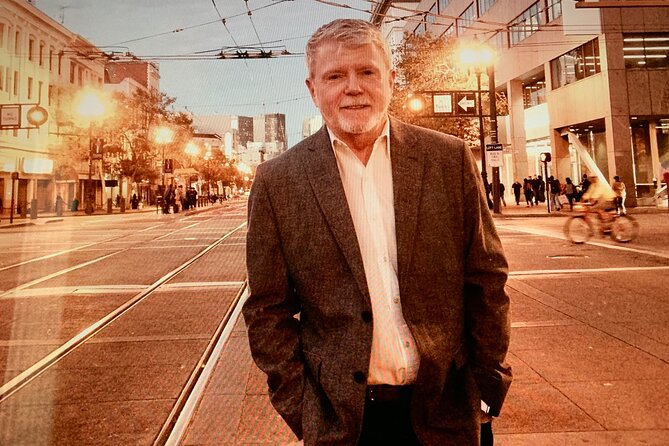
Another strongly praised element is the guide’s ability to bring history into the moment. You’ll hear historical and fun facts that connect architecture to the city’s growth, and the tour leans into an expert, historian-style approach rather than random trivia.
Here’s the difference you should expect:
- Instead of memorizing dates, you understand why a building or block looks the way it does.
- Instead of treating architecture like art-only, you learn it as a result of planning, economics, and city priorities.
That’s also why the tour’s perspective feels “fresh,” even for people who know SF well. The Financial District can look like a blur of glass and stone if you’re just walking through. On this walk, it becomes a designed environment with logic you can explain to a friend.
And because the tour includes a clear handout at the end, it’s easy to keep learning after you’re done walking.






The keepsake handout: what you’ll have when you’re back home
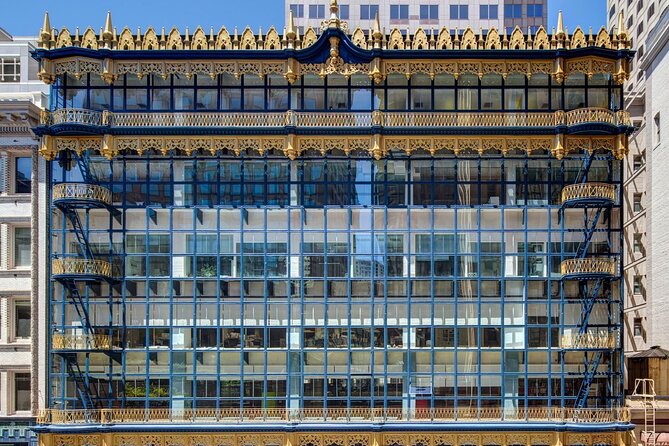
You’ll receive a detailed handout describing all the buildings on the tour. This turns the experience from a one-time sighting into a reference you can revisit.
If you like to remember places by studying them later, this part is practical. It gives you names and a way to re-find the architecture you practiced seeing during the walk. It also helps you keep the story straight: which building came next, how it was positioned in the downtown plan, and what to look for if you return on your own.
Even if you don’t plan a follow-up walk, the handout helps you “store” the experience in your brain. Architecture tours work best when you leave with a map in your head and a backup on paper.
Walking pace and fitness level: what to expect from a 2 hours 30 minutes format
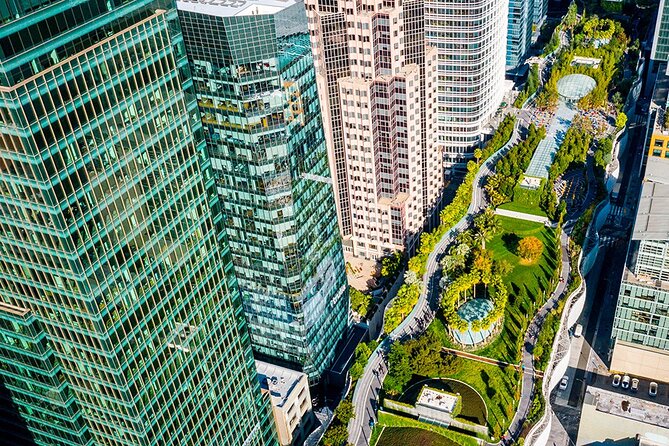
The tour runs about 2 hours 30 minutes total. It’s a walking experience, and the physical fitness requirement is listed as moderate.
What that means in practice: you should be comfortable walking city blocks for that length without frequent long breaks. The pace is also described as easy in the feedback you provided, so this isn’t a high-intensity march. Still, plan for real walking time, and bring what you need for SF weather swings—especially wind and cool air around downtown.
A smart move: choose shoes you can stand comfortably in. This tour includes stopping points, and the whole concept depends on you being able to pause, look up, and absorb explanations from where you’re standing.
Ending near Market and First: finishing where you can keep exploring
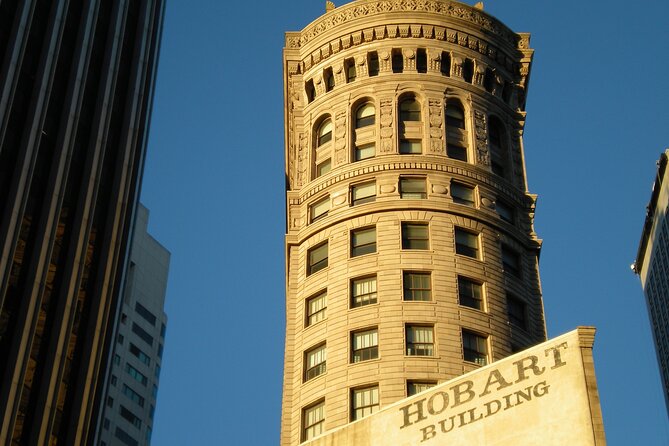
The tour ends at 264 Bush St, near the corner of Market and First Street. This matters because it’s a central area where you can quickly transition into the rest of your day.
You don’t get a ride at the end. That’s normal for a walking tour. But finishing near busy downtown intersections keeps it convenient for transit and for adding extra sightseeing on your own right after the architecture walk.
If you like to string experiences together—walk, then coffee, then a museum or neighborhood stroll—this ending point sets you up well.
Price and value: what you’re really paying for
There’s no price listed in the details you provided, so I’ll judge value by what’s included.
What you get:
- A focused SF architecture walking experience
- A guide with historical context
- Classic and modern Financial District coverage that’s meant to complement other tours
- Best-viewpoint guidance
- A detailed handout listing the buildings you saw
What you don’t get:
- Transportation
- SFMOMA admission (the tour begins at the front entrance, and the museum ticket isn’t included)
So the value logic is straightforward: you pay for guided observation plus the “how to look” instruction. If you’re the type who enjoys learning while walking and you want to understand the city rather than just photograph it, this can feel like a strong use of time. If you only want quick photos with minimal explanation, you might find it slower than you expect.
Who should book this San Francisco architecture walking tour
This tour fits best if you:
- Want a Financial District architecture focus, not the typical visitor sweep
- Like small-group explanations and guided stops
- Enjoy urban planning context—why cities grow the way they do
- Want clear “where to stand” viewing tips for better building photos and understanding
You might skip it (or pair it with something else) if:
- You dislike walking for extended stretches
- You’re only interested in museum interiors, because SFMOMA admission isn’t included
- You want an itinerary packed with many named stops (this route is built around the Financial District concept and viewpoint teaching)
Should you book it?
I think you should book this San Francisco architecture walking tour if you want SF architecture to make sense at street level. The combination of urban planning context, the guide’s historian-style storytelling, and the “stand here for the right angle” approach is exactly what turns buildings from background scenery into something you understand.
One final decision helper: if you’ve already explored SF’s usual neighborhoods and you’re ready for a downtown-focused experience, this is a smart next step. It doesn’t try to cover everything. It teaches you how to read a specific part of the city—and that’s a good use of a couple hours.
FAQ
How long is the San Francisco Architecture Walking Tour?
The tour lasts about 2 hours 30 minutes.
Where does the tour start and when?
It starts at 2:00 pm at the front entrance of San Francisco Museum of Modern Art, 151 3rd St, San Francisco, CA 94103.
Where does the tour end?
The tour ends at 264 Bush St, San Francisco, CA 94104, near the corner of Market and First Street.
Do I need to buy a ticket for SFMOMA?
Admission to SFMOMA is not included. The tour begins at the front entrance.
Is transportation included?
No. You must meet the guide at the specified start location. Transportation is not provided.
How big is the group?
The tour has a maximum of 10 travelers.
What fitness level do I need?
You should have a moderate physical fitness level, since it’s a walking tour.
What happens if the weather is bad?
The tour requires good weather. If it’s canceled due to poor weather, you’ll be offered a different date or a full refund.
Can I get a refund if I cancel?
Yes. You can cancel for a full refund up to 24 hours in advance. If you cancel less than 24 hours before the start time, the amount paid isn’t refunded.