REVIEW · SAN FRANCISCO
San Francisco: Castro & LGBTQ Private Walking Tour
Book on GetYourGuide →Operated by Guydeez Tours · Bookable on GetYourGuide
San Francisco’s Castro has real stories. This private walking tour takes you through the neighborhood’s key landmarks, starting at Harvey Milk Plaza, and turns street corners into context you can actually use. I like that you’re not stuck with a scripted loop—you can tailor what you care about most, from activism sites to the big symbols you’ll spot as you walk.
The best part is the human scale: you’re with one guide, and that usually means you get clearer explanations and better city tips afterward. The one drawback to consider is that the quality can swing a lot depending on how focused the guide is on Castro and LGBTQ history; you’ll want to make sure your guide keeps the route and stories anchored to the neighborhood, not just general San Francisco chat.
In This Review
- Key things I’d watch for
- Where the Tour Starts: Hotel Castro and a Simple Game Plan
- Harvey Milk Plaza: The Civil Rights Story That’s Hard to Miss
- Milk’s Former Residence and Camera Shop: When Ordinary Spots Become Strategy
- The Castro Theatre and the Rainbow Flag: Symbols With Backstory
- AIDS-Era San Francisco: Why This Neighborhood Was a Lifeline
- How a Private, Customizable Walk Actually Works
- Price and Value: Is $100 Worth It for Two Hours?
- What’s Included (and What You’ll Pay For)
- Language Support and the Real Impact on Your Experience
- Practical Tips for a Smooth Castro Walk
- Should You Book This Castro Private Walking Tour?
- FAQ
- Where is the meeting point?
- How long is the tour?
- Is this tour private?
- What languages are available?
- What is included in the price?
- Is free cancellation available?
Key things I’d watch for
- A starting point with instant meaning: Harvey Milk Plaza sets the tone right away.
- Landmarks tied to people, not just photos: Milk’s former residence and camera shop help connect activism to place.
- Rainbow flag context you can point to later: You’ll hear about the flag’s origins and why it matters.
- AIDS-era context included: The tour explains why the Castro became more than nightlife.
- Private and customizable: You can shape the pacing and emphasis to your interests.
- Two hours means smart timing: You’ll see the main sights without trying to do the whole city in one go.
Where the Tour Starts: Hotel Castro and a Simple Game Plan

Meet your guide right in front of The Hotel Castro. That’s useful because you’re starting inside the neighborhood instead of commuting in and out, and you can get your bearings fast. With a 2-hour format, the goal is clarity, not sprinting. You’ll walk and talk, with the route centered on the Castro’s standout sites.
One practical note: this is a walking tour, so wear shoes that can handle uneven sidewalks and lots of steps. Also, the tour includes walking plus public transport on some versions (the details depend on the option you choose), so keep your schedule flexible in case there’s a short transit segment.
The tour is also set up for wheelchair access, which matters here because the Castro is hilly in spots. If mobility is part of your planning, I’d still ask your guide how they handle the route on the day you go—better safe than figuring it out slowly on the sidewalk.
You can also read our reviews of more walking tours in San Francisco


Harvey Milk Plaza: The Civil Rights Story That’s Hard to Miss
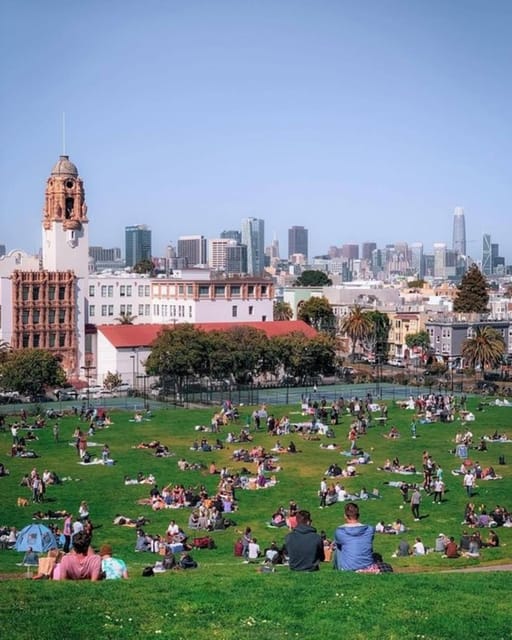
The first stop is Harvey Milk Plaza, a landmark dedicated to the civil rights icon. Even if you already know the name, seeing the space in person helps you understand why Milk’s story became such a strong anchor for this neighborhood. It’s not just memorial energy. It’s a launchpad.
From here, your guide should connect what you’re looking at with what it symbolizes: political courage, community organizing, and the idea that visibility can be a form of protection. This kind of framing changes how you read the Castro as you keep walking. Instead of treating it like a set of cute streets and rainbow signs, you start seeing it like a living story with dates, choices, and consequences.
I also like that your guide isn’t limited to facts. On strong tours, you’ll get explanations that help you interpret architecture and layout, not just recite names. When that happens, the whole stroll feels more like walking with a local who can translate the neighborhood for you.
Milk’s Former Residence and Camera Shop: When Ordinary Spots Become Strategy

A major highlight is visiting Milk’s former residence and camera shop. That combination is powerful. A home is personal. A shop is practical. Together, they show how activism wasn’t just speeches—it was also networks, communication, and showing up in everyday places.
On tours that land well, your guide doesn’t rush past these stops. They explain why these sites mattered and how they fit into the broader LGBTQ rights movement. Even if you don’t know every detail going in, you come away with a clearer sense of cause and effect: actions taken here helped shape organizing beyond this block.
Drawback to watch for: if your guide spreads the conversation too widely across all of San Francisco, these stops can get thin. The good version keeps pulling you back to the Castro—who was where, what was happening, and why the location itself mattered.
The Castro Theatre and the Rainbow Flag: Symbols With Backstory
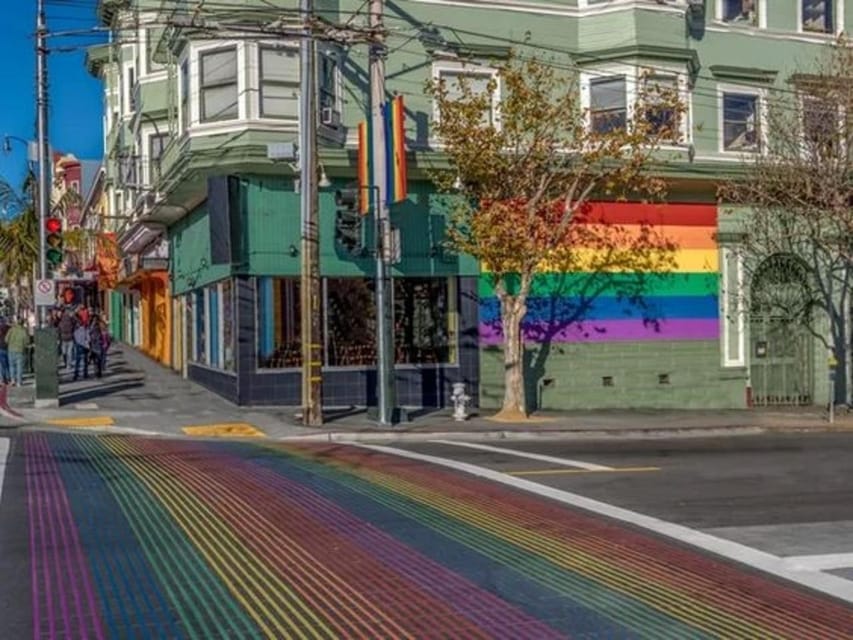
Next, you’ll reach the Castro Theatre, where the rainbow flag is a recognizable sign of identity and pride. It’s also a great place to pause, because the theatre area turns into a practical lesson: symbols aren’t decorations. They’re signals.
Your guide should talk about what you’re seeing and why it became meaningful, including the origins of the rainbow flag and how it turned into a worldwide LGBTQ pride symbol. Even if you’ve seen rainbow flags your whole life, you may not have heard the origin story tied to this context. That’s the difference on a guided walk—small information makes the street-level imagery click.
This is also where I think the tour does something smart: it gives you a way to interpret the Castro’s visible identity. After the explanation, you’ll notice more than just colors. You’ll start picking up the idea of community memory—how places keep repeating the message that people belong here.
AIDS-Era San Francisco: Why This Neighborhood Was a Lifeline
One of the most important themes on this tour is the Castro’s role during the AIDS epidemic. The tour description points to that directly, and I think that’s a big reason this experience can feel more serious than a typical nightlife-oriented neighborhood walk.
When your guide explains this part well, the Castro stops being a place you visit for ambiance. It becomes a place you understand as a support system that mattered during a public health crisis. You’ll hear how the neighborhood transformed into a safer space for LGBTQ people and why community action and solidarity became essential.
A good tour here helps you keep two truths in your head at once: there was joy, visibility, and entertainment, but there was also fear, loss, and urgent organizing. The value is in understanding that both sides existed, side by side, and the community adapted in real time.
You can also read our reviews of more private tours in San Francisco





How a Private, Customizable Walk Actually Works
Because this is private, you’re not dealing with a group that slows the pace down or gets pulled in every direction. That matters in a neighborhood like the Castro, where the details are specific and context-heavy.
Customization is part of the package, but the real question is how you’ll use it. I’d come ready with two or three priorities so your guide can steer the route smoothly. Examples:
- You want more emphasis on Harvey Milk sites.
- You care about how the rainbow flag became a global symbol.
- You want more explanation of the AIDS-era community role.
- You want advice for what to do next in San Francisco with less guesswork.
If you don’t set priorities, a guide might default to general conversation. That can be fun, but it risks turning the experience into a walk with hints instead of a structured story. The upside is that private tours make it easy to correct course mid-walk—so speak up early if you feel the narrative drifting.
Also, your guide can provide lots of other city advice after you get oriented. That can be the hidden value: you leave not only knowing the Castro, but knowing where to go next with a clearer plan.
Price and Value: Is $100 Worth It for Two Hours?
At $100 per person for a private 2-hour walk, this isn’t a budget bargain. But it can still feel like good value if you’re buying three things at once:
- a focused LGBTQ-themed route centered on key landmarks,
- a guide who can explain what you’re seeing in context,
- and a customized experience rather than a generic group script.
If you’re traveling with someone you know well and you’d rather pay for quality than manage a group schedule, a private guide often makes sense. If you’re traveling solo, it can still be worth it if you want tight attention and practical follow-up tips.
I’d be cautious if you’re hoping for a museum-style experience. Entry to monuments and museums is not included, and the tour is built around walking and neighborhood stops. You’re paying for interpretation and orientation, not attraction tickets.
One more value check: make sure your expectations match the time. There’s enough here for the main Castro story beats, but you won’t be doing every side street forever. A shorter or less structured run can feel disappointing at this price, so I’d confirm you’re getting the full time window when you book.
What’s Included (and What You’ll Pay For)
Included:
- Private and exclusive tour (no one else in your group)
- Tour customization
- Walking tour and public transport depending on the option you select
- Help from the team to book tickets for desired visits
Not included:
- Entry to monuments and museums
- Food and drinks
- Tickets to any attractions
- Local transportation around the city beyond what’s included in this walking format
That setup is actually pretty practical. You can do the core story walk without worrying about ticket logistics. And if you decide you want to go into a museum or monument later, the team can help with booking tickets—but you’ll still need to budget entry costs yourself.
If you like having control, that’s a good arrangement. You’re not locked into one attraction, and you can pace your day based on energy.
Language Support and the Real Impact on Your Experience
The tour guide is available in English, French, Italian, and Spanish. That matters more than people think. Clear language isn’t a luxury here—it’s how you understand activism, symbolism, and the AIDS-era context without translating every sentence in your head.
If English isn’t your strongest language, I’d strongly consider booking in your preferred option. And even if you’re comfortable in English, a guide speaking your language often gives you a better chance to ask questions and get explanations that actually land.
One more thought: your guide choice can shape the tone. In some bookings, people mention being treated with care and sensitivity, which fits the subject matter. In others, the connection to Castro and LGBTQ history can feel lighter than expected. That’s why it pays to check that your guide plans the walk around Milk, the Castro Theatre/rainbow flag, and the AIDS-era story beats.
Practical Tips for a Smooth Castro Walk
Keep it simple and you’ll enjoy this more:
- Wear comfortable shoes. You’re walking as the main mode.
- Bring water if it’s warm. Food isn’t included.
- Ask early what you’ll see. You want the route anchored on Milk’s plaza, the residence/camera shop area, and the Castro Theatre/rainbow flag moment.
- Use the customization. Tell your guide what you want emphasized so you don’t end up with generic SF conversation.
- Plan your next step after the tour. The guide can offer advice for what to do next around the city, and that’s easiest when you’re fresh and still in the neighborhood.
Accessibility note, since it’s listed: the tour is wheelchair accessible. Still, I’d ask about route details if you need a more specific accommodation.
Should You Book This Castro Private Walking Tour?
I’d book this if you want a private, adjustable walk focused on the Castro’s most meaningful LGBTQ landmarks—starting at Harvey Milk Plaza, connecting to Milk’s former residence and camera shop, and making sense of the Castro Theatre and rainbow flag origins, with the AIDS-era context included.
Skip it or at least re-check your expectations if you mainly want a casual chat and don’t care whether the route stays tightly connected to Castro-specific history. At this price, you should expect structure. You’re paying for storytelling tied to the places—not just a pleasant stroll.
If you’re the type who likes getting local advice and learning how symbols and streets got their meanings, this is a solid fit. Just do yourself a favor: confirm the emphasis on Castro and LGBTQ history before you go, and you’ll get far more out of those two hours.
FAQ
Where is the meeting point?
Meet your guide in front of The Hotel Castro.
How long is the tour?
The duration is 2 hours.
Is this tour private?
Yes. It’s a private tour with an exclusive group.
What languages are available?
The live guide is available in English, French, Italian, and Spanish.
What is included in the price?
You get the private exclusive walking tour (plus public transport depending on the option), customization, and help from the team to book tickets for desired visits. Food, drink, and attraction entry tickets are not included.
Is free cancellation available?
Yes. You can cancel up to 24 hours in advance for a full refund.