REVIEW · SAN FRANCISCO
San Francisco: Gold, Greed, and Gunslingers Walking Tour
Book on GetYourGuide →Operated by Junket · Bookable on GetYourGuide
Gold, greed, and gunslingers walk you right through the mess.
This 2-hour San Francisco tour takes you into the city’s Barbary Coast days, where Gold Rush wealth and violence mixed like bad chemistry.
I especially like the way the guide turns street corners into living history, with standout storytelling from guides like Jamie and Mike. You also get to see the city from multiple angles, including the one neighborhood that survived the 1906 earthquake and the waterfront ending at Pier 7.
One real consideration: this is still a walk. The tour runs rain or shine, and it’s not recommended if you can’t walk more than a mile.
In This Review
- Key takeaways
- A Two-Hour Walk Through the Barbary Coast After Dark
- Starting at Merchant and Kearny: Finding Your Lantern Guide
- Chinatown Outskirts: When Architecture Carries Old Bias
- Devil’s Acre and Sydney Town: Gang Wars and Gold Fever
- The Earthquake Survivor Stroll: The Neighborhood That Made It
- A Saloon Built Into a Ship Hull and the Reality of Shanghaied Sailors
- Tragic Love Story Meets Gold Rush Violence: Arabella Ryan and James Cora
- Sam Brannon and The Hounds: When One Name Changes a Neighborhood
- What’s Buried Under Jackson Square District Streets
- Pier 7 Finale: Waterfront Views with a Softer Landing
- Price, Pace, and Who This Tour Fits Best
- Practical Stuff You’ll Be Glad You Knew
- Should You Book the San Francisco Gold, Greed, and Gunslingers Walking Tour?
- FAQ
- Where is the meeting point for the Gold, Greed, and Gunslingers Walking Tour?
- How long is the tour?
- What’s included in the ticket price?
- Does the tour run in bad weather?
- Can I bring alcohol, smoke, or drugs?
- Is video recording allowed?
- How much walking should I expect?
- Is the tour wheelchair accessible?
- What if I need to cancel?
Key takeaways
- Meet by the Hilton Financial District at Merchant and Kearny, with a guide in a black US Ghost Adventures t-shirt carrying a lantern
- Chinatown outskirts stories connect architecture to anti-Chinese sentiment during the Gold Rush
- Devil’s Acre and Sydney Town bring gang wars and gold fever to street level
- A ship-hull saloon helps explain how shanghaied sailors were used as labor
- Arabella Ryan, James Cora, and Sam Brannon add real names to the drama
- Pier 7 waterfront views close the tour with a calmer reset
A Two-Hour Walk Through the Barbary Coast After Dark
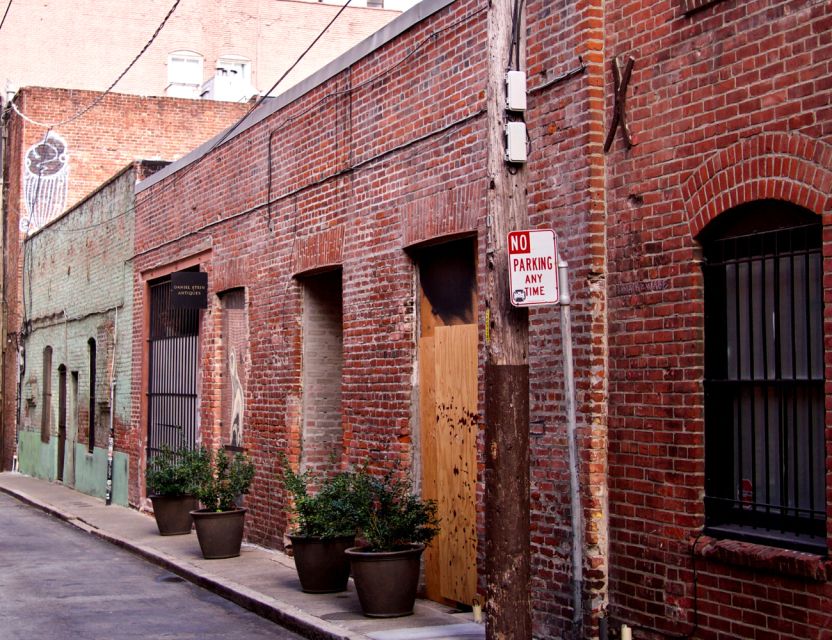
San Francisco’s postcards look friendly. Then you take a short walk and the city starts telling the truth. This tour is built around the darker side of the 19th century—debate, violence, and greed—set against neighborhoods you can still walk today.
What makes this one work is the balance between big-picture forces and personal stories. You’ll hear how Gold Rush money fueled tension, including the ugly side of anti-immigrant sentiment, and you’ll watch how gang activity and survival shaped daily life. Even at a fast pace, it never feels like random scare-story hopping.
At about $35 per person for 2 hours, the value comes from your main input: time with a local guide. You’re not paying for a museum ticket. You’re paying for an intelligent walking narrative that connects what you see on the street with what happened there.
You can also read our reviews of more walking tours in San Francisco



Starting at Merchant and Kearny: Finding Your Lantern Guide
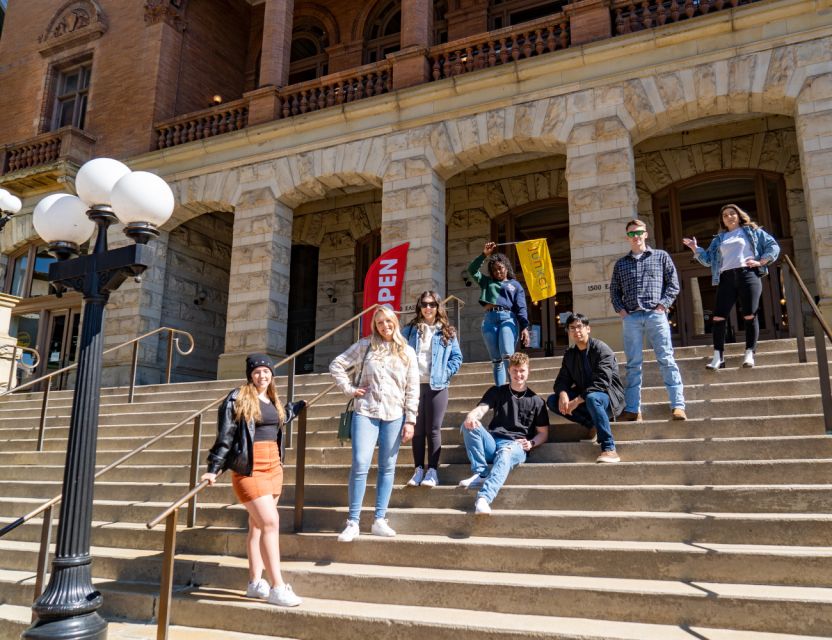
You meet at the intersection of Merchant and Kearny in front of the Hilton Financial District. Your guide wears a black US Ghost Adventures t-shirt and carries a lantern, so you can spot the group quickly if you arrive on time.
Plan to show up 15 minutes early. It sounds fussy, but it saves you stress when you’re trying to get ready in a busy downtown pocket. Also, there’s no hotel pickup or drop-off, so you’ll want to know how you’re getting to the meeting point before you leave your lodging.
One nice perk is the mention of an express security check. That matters when you’re already dealing with a packed day of sightseeing and want fewer slowdowns.
Chinatown Outskirts: When Architecture Carries Old Bias
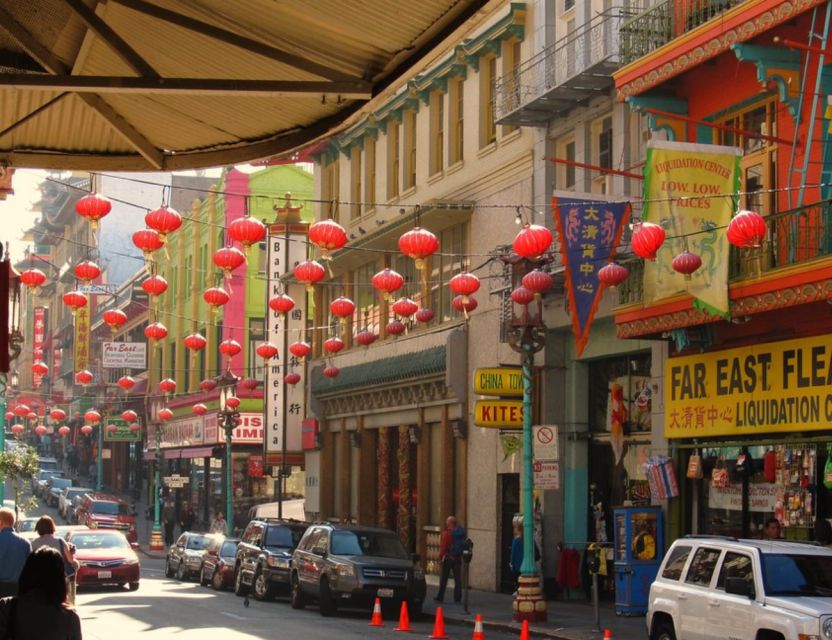
The tour begins near the outskirts of Chinatown, and right away it frames what you’re about to see. You don’t just get names and dates—you get explanations for why certain areas and buildings matter.
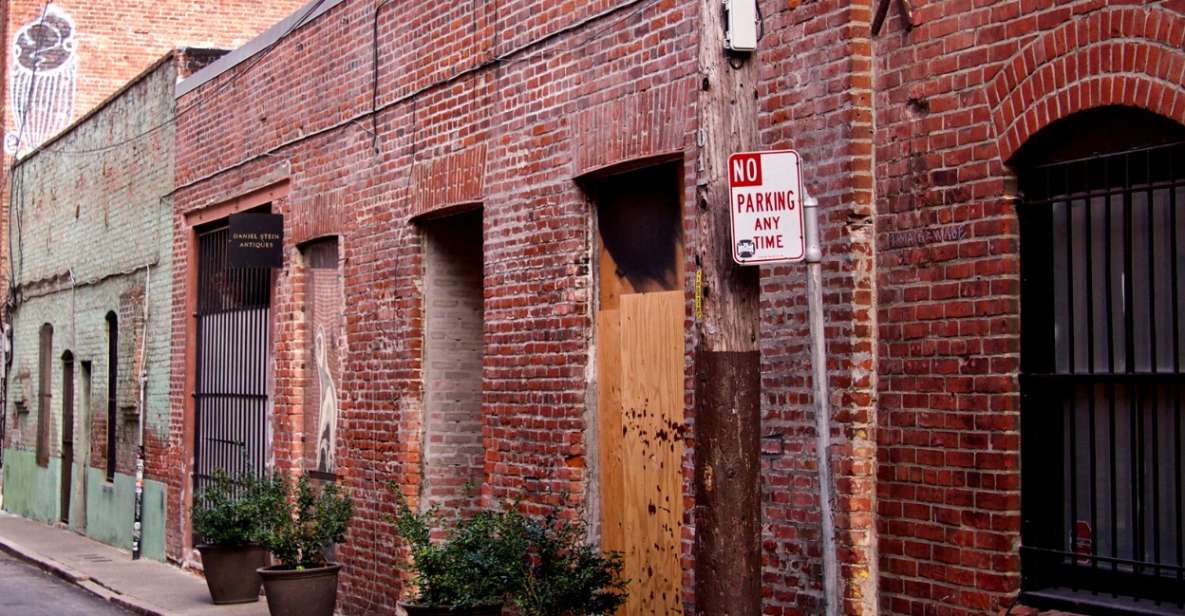
A big theme is anti-Chinese sentiment during the Gold Rush. The tour connects social conflict to the physical city. In practical terms, it helps you look at architecture as evidence, not decoration. You’ll start noticing details that most first-time visitors miss.
This early section also sets up the tour’s main idea: Manifest Destiny and Gold Rush ambition weren’t just ideas. They turned into policies, behaviors, and street-level realities. The tour doesn’t shy away from how that played out in daily life.
Devil’s Acre and Sydney Town: Gang Wars and Gold Fever
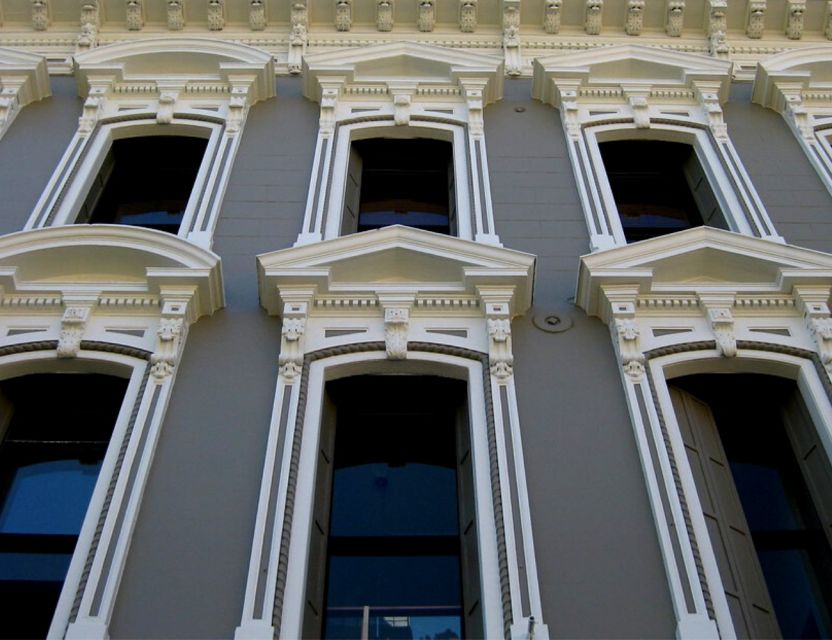
From there you move into the stories tied to areas known for roughness and conflict. The tour focuses on Devil’s Acre and Sydney Town, with the energy of gang wars and the pull of money driving people to extremes.
Expect the guide to connect neighborhoods to crime patterns and survival tactics. When you walk through old streets with modern buildings around them, it’s easy to forget that these were once power zones. This part of the walk helps you remember the city used to run on different rules.
The lesson here is not just that crime happened. It’s that the Gold Rush created fast wealth, fast inequality, and pressure-cooker competition. That’s why the gang stories fit so well with the wider themes of greed and opportunism.
The Earthquake Survivor Stroll: The Neighborhood That Made It
One of the most interesting claims of this tour is that you visit the only neighborhood to survive the 1906 earthquake. Whether you’re a history fan or not, this is one of those moments where the city’s shape becomes the evidence.
As you stroll through this section, you get a sense for how disasters can reset a city—except in this case, where one pocket endured. That gives the stories a sharper edge. Instead of everything being hypothetical, you can stand in a place that supposedly kept its bones while the rest of the region was remade.
This stop also gives context for why San Francisco feels layered. You’re not looking at one time period. You’re looking at multiple eras piled on top of each other.





A Saloon Built Into a Ship Hull and the Reality of Shanghaied Sailors
If you’re going to remember any single image from this tour, it’s the idea of a saloon built into a ship’s hull. That detail is more than cool trivia—it’s the tour’s way of explaining forced labor and exploitation.
The story connects to shanghaied sailors, people who were taken and forced into years of hard labor. When you hear it with street-level context, it stops being a distant historical oddity. It becomes a human story about how desperation and profit worked together.
This part is also where the tour’s tone hits hard without getting sloppy. You’re not just told what happened. You’re shown why it mattered to the working city—the one that traded in bodies and labor as much as it traded in gold.
Tragic Love Story Meets Gold Rush Violence: Arabella Ryan and James Cora

History is often taught with dates. This tour uses people. You’ll hear the tragic story of Arabella Ryan and James Cora, tied to the broader chaos of the Barbary Coast era.
I like this approach because it keeps the tour grounded. The Gold Rush can sound like a giant economic machine. Love and loss make it personal, and personal makes it stick.
The tour also helps you understand how violence and desperation traveled through the community. It’s not just gang fights and bad luck. It’s how social stress, money, and power decisions shaped lives.
Sam Brannon and The Hounds: When One Name Changes a Neighborhood
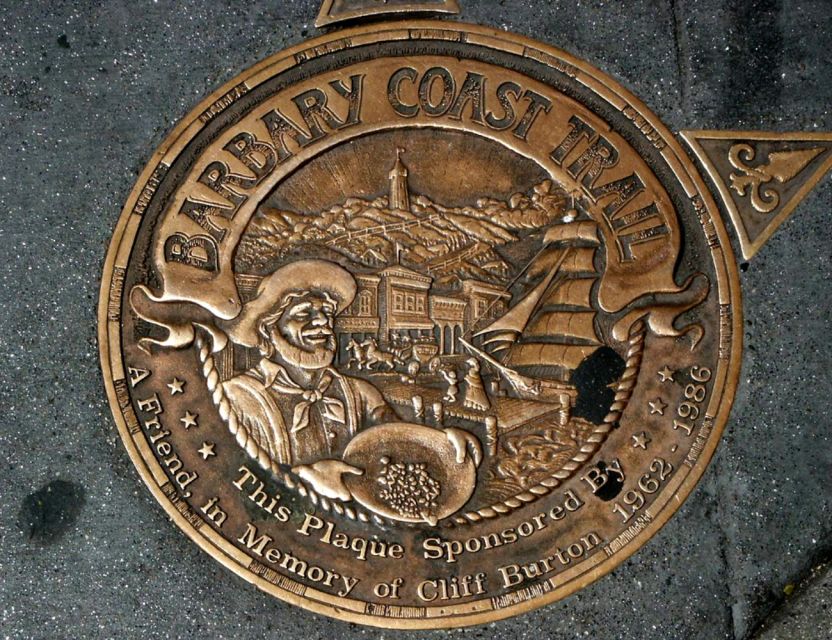
Another high-impact story is about Sam Brannon and a notorious gang called The Hounds. This section brings you from general outlaw talk into something more specific: how individuals and groups controlled territory and influenced survival.
For me, gang stories only work when they connect to the city you’re walking through. Here, the guide uses the neighborhood as a map. You’re learning geography and social history at the same time.
If you’re the type who likes crime history but hates when it’s just sensational, this tour tends to land better. It treats the violence as part of a system, not just a spectacle.
What’s Buried Under Jackson Square District Streets
The tour promises you’ll find out what’s buried under the streets of the Jackson Square District. Even if you don’t treat every artifact detail as literal proof, the idea is clear: the past is still physically present in the city.
This is one of those stops that changes how you walk afterward. You start to see the ground under your feet as a layered record. It makes everyday streets feel like pages you haven’t read yet.
Practically, this part also slows the tour’s pace just enough for you to absorb the theme: San Francisco didn’t just become famous. It was built on tough choices, and those choices left traces.
Pier 7 Finale: Waterfront Views with a Softer Landing
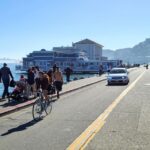
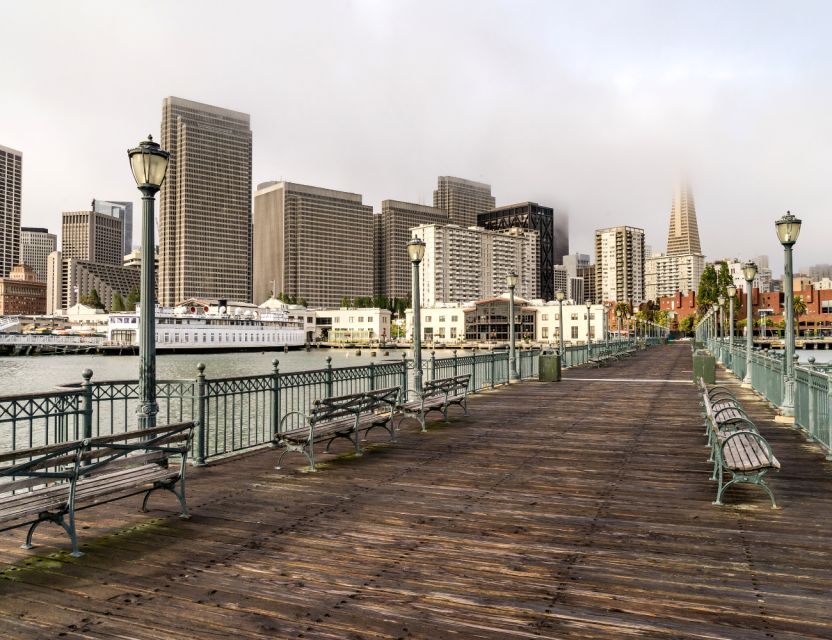
You end with gorgeous waterfront views at Pier 7. This is smart planning. The tour spends most of its time on grim themes, then it gives you a visual reset.
After a walk through shanghaings, anti-immigrant tension, and gang warfare, standing near the water feels like exhale. You get to look out at the harbor and remember that the city’s identity grew from trade and migration, not just crime headlines.
It’s also a good time to orient yourself for the rest of your day. From Pier 7, you can decide what to pair next—maybe a relaxed meal nearby or a quick walk for photos if the weather cooperates.
Price, Pace, and Who This Tour Fits Best
At $35 per person for 2 hours, this tour is priced like an experience you slot into a normal sightseeing day. You’re not spending half a day. You’re getting a concentrated story walk with a live guide.
Is it worth it? I think it is if you enjoy:
- local storytelling that links what you see to what happened there
- crime-and-impulse history without turning into pure shock value
- San Francisco’s Gold Rush era and the way it shaped immigration tension
It’s not ideal if you:
- can’t walk more than a mile comfortably
- prefer gentle, light sightseeing only
- need a completely low-pace route (it’s a walking tour, rain or shine)
Also note the important safety rules: no smoking, no alcohol and drugs, and no video recording. This helps keep the tour focused, and it protects the guide’s storytelling environment. You’ll just want to plan to take mental notes and still photos if your phone usage is allowed by the guide’s instructions.
Practical Stuff You’ll Be Glad You Knew
This tour runs rain or shine, so you’ll want weather-appropriate clothing. Comfortable shoes matter more than you think, since the city streets can be steep and uneven even when the distance seems short.
It’s English with a live guide, and the experience includes the guide and the walking tour. There’s no hotel pickup or drop-off, so build in transit time.
The company also lists wheelchair accessible, but the tour is also described as not recommended for people who cannot walk more than a mile and says it’s not suitable for people with mobility impairments. If you’re in that category, I’d treat this as a question to clarify with the operator before you book, since street conditions and route demands can matter.
Should You Book the San Francisco Gold, Greed, and Gunslingers Walking Tour?
If your San Francisco taste runs toward the real city—not just the postcard highlights—this is a strong pick. You’ll get specific names like Jamie and Mike associated with great guiding, plus personal stories tied to Arabella Ryan, James Cora, and Sam Brannon. You’ll also learn how anti-Chinese sentiment and Gold Rush greed shaped neighborhoods you can still walk through.
I’d skip it if you want only upbeat sightseeing, or if walking more than a mile is tough for you. With the rain-or-shine schedule and the strict rules about recording and substances, it’s best for people who like structure and attention.
FAQ
Where is the meeting point for the Gold, Greed, and Gunslingers Walking Tour?
You meet in front of the Hilton Financial District at the intersection of Merchant and Kearny Streets. The guide will be wearing a black US Ghost Adventures t-shirt and carrying a lantern.
How long is the tour?
The tour lasts about 2 hours.
What’s included in the ticket price?
The price includes a walking tour and a live guide. There is no hotel pickup or drop-off.
Does the tour run in bad weather?
Yes. This tour takes place rain or shine.
Can I bring alcohol, smoke, or drugs?
No. Smoking is not allowed, and alcohol and drugs are not allowed.
Is video recording allowed?
No, video recording is not allowed.
How much walking should I expect?
This tour is not recommended for people who cannot walk more than a mile.
Is the tour wheelchair accessible?
It is listed as wheelchair accessible, but it’s also noted as not suitable for people with mobility impairments and not recommended if you can’t walk more than a mile. If this affects you, it’s worth checking details before booking.
What if I need to cancel?
There is free cancellation up to 24 hours in advance for a full refund.