REVIEW · SAN FRANCISCO
San Francisco: Mission District Food & History Walking Tour
Book on GetYourGuide →Operated by Gray Line San Francisco · Bookable on GetYourGuide
The Mission District tells stories with every step. This 3.5-hour San Francisco walking tour mixes classic food stops with real-world history and street art you can’t ignore. I especially like the way the tour ties landmarks to the people who lived through them, including the Golden Fire Hydrant story and the hurricane of murals at Balmy Alley.
I also like that you’re not just wandering around looking at things—you get two food tastings, including an Oaxacan-style stop at Café de Olla, with items like tamales, tortillas, quesadillas, and tlayudas. One possible drawback: it’s mostly on foot for about three and a half hours, so if you want a quick hit of a few photos, this schedule may feel like more Mission than you expected.
If you care about San Francisco beyond the postcard spots, this tour gives you a way to connect the dots. You’ll learn what Mission Dolores meant, why the park matters, and how Central American political themes show up in the walls around you.
In This Review
- Key highlights to look for
- Why the Mission District works so well for food and history
- Mission San Francisco de Asís: the tour’s most meaningful opening
- Mission Dolores Park and the Golden Fire Hydrant: survival made visible
- Café de Olla: Oaxacan-style comfort food that sets the pace
- Mission Street: architecture, daily life, and the neighborhood rhythm
- 24th Street: the 8-block stretch built for choices
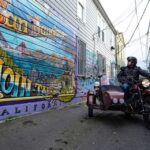
- Balmy Alley murals: art as a record of anger and survival
- Walking time, food pacing, and what to bring
- Price and value: what $99 gives you here
- Who this tour fits best
- Final verdict: should you book this Mission District tour?
- FAQ
- How long is the Mission District Food & History Walking Tour?
- How much does the tour cost?
- Where do I meet the guide?
- Where does the tour end?
- What food is included in the tastings?
- Is there an entrance fee included for Mission San Francisco de Asís?
- What language is the tour guide?
- Can I cancel for a full refund?
- Is Reserve & Pay Later available?
Key highlights to look for
- Mission Dolores start point: You begin at Mission San Francisco de Asís, also known as Mission Dolores.
- The Golden Fire Hydrant: The tour points out the hydrant that survived the 1906 earthquake.
- Café de Olla tasting: Oaxacan-style food made from scratch, with coffee and agua fresca options.
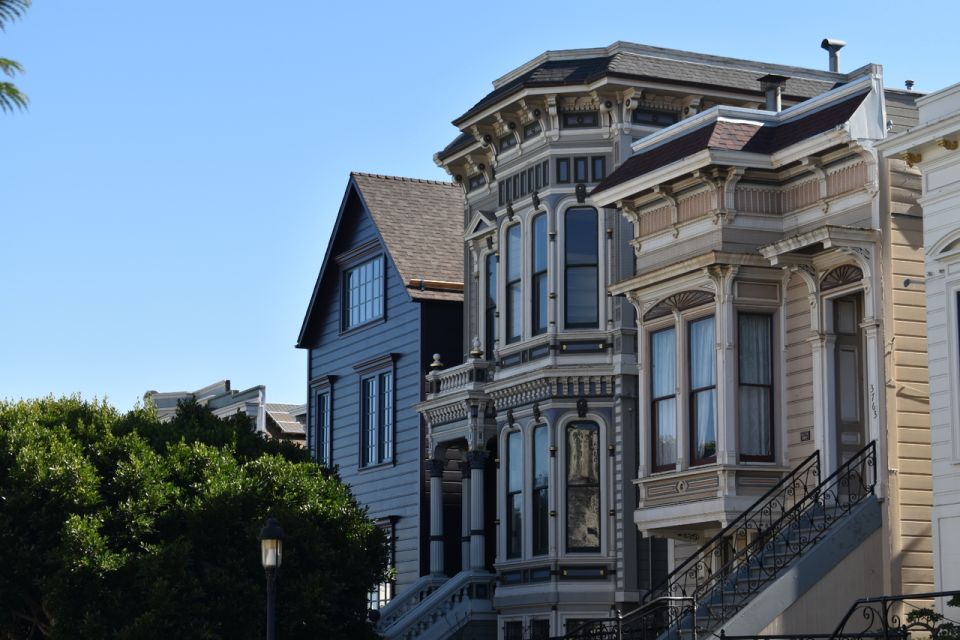
- Mission Street + architecture mix: Victorian, stick-style, and Mission Revival buildings show up close together.
- 24th Street food stretch: An easy 8-block walk loaded with tacos, pastries, and coffee choices.
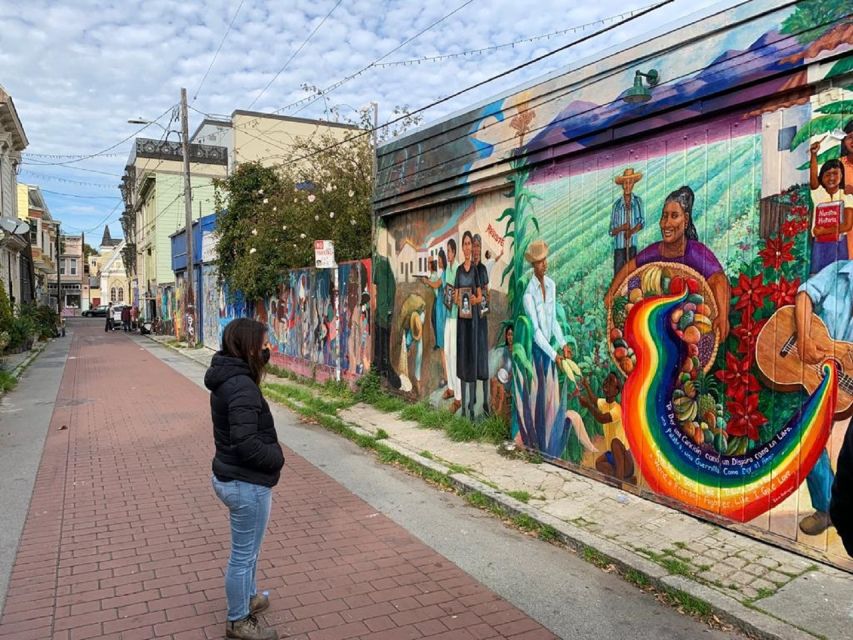
- Balmy Alley murals with a message: Artwork tied to outrage over human rights violations and political abuse in Central America.
Why the Mission District works so well for food and history
The Mission District isn’t a single scene—it’s layers. You’ll see religious landmarks, immigrant-era neighborhood texture, and public art that reacts to current events. A food-and-history tour is a smart match here because the best way to understand the Mission is to experience it through what people eat, where they gather, and what they put on the walls.
This tour is built around that idea. You start with Mission San Francisco de Asís, shift to Mission Dolores Park and the earthquake-survivor hydrant, then move through eating stops and the streets where architecture and murals tell their own story. Even if you’ve been to the Mission before, the route is designed to make you look slower.
And yes, you’ll walk. Plan for comfortable shoes and expect some time outdoors, especially around the parks and Mission Street stretches.
You can also read our reviews of more walking tours in San Francisco


Mission San Francisco de Asís: the tour’s most meaningful opening
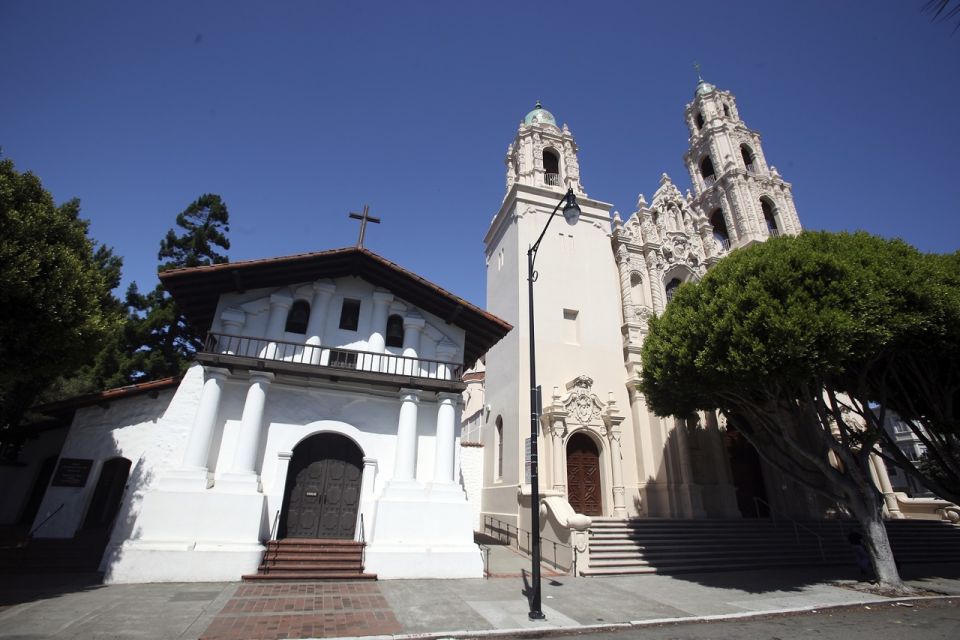
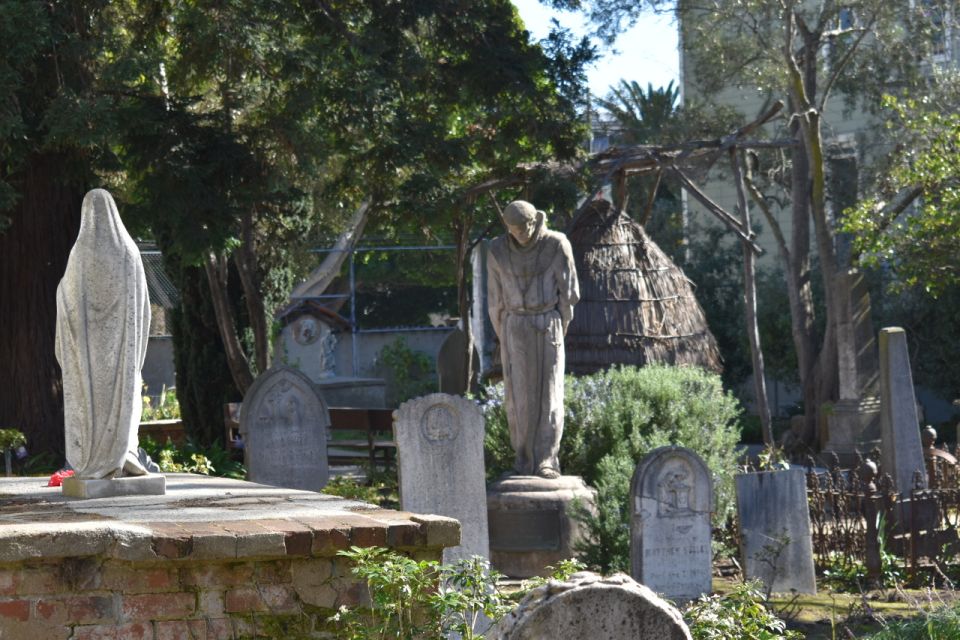
You meet your guide in front of Misión San Francisco de Asís (Mission Dolores), one of the oldest buildings in San Francisco. The chapel is home to exclusive religious art, and the tour doesn’t treat it like a quick photo stop. It’s the first place where the neighborhood’s identity becomes clear: spiritual roots, community memory, and the kind of stories locals still reference.
What I like about this start is that it gives context before the food. You learn why Mission Dolores isn’t just a name on a map. You also get the chapel gardens and see the cemetery within city limits, which adds a grounded, human scale to the landmark.
Practical tip: bring a layer you can handle if the weather changes. Chapels and gardens can feel cooler than the sidewalks, and you’ll be standing and walking after.
Mission Dolores Park and the Golden Fire Hydrant: survival made visible
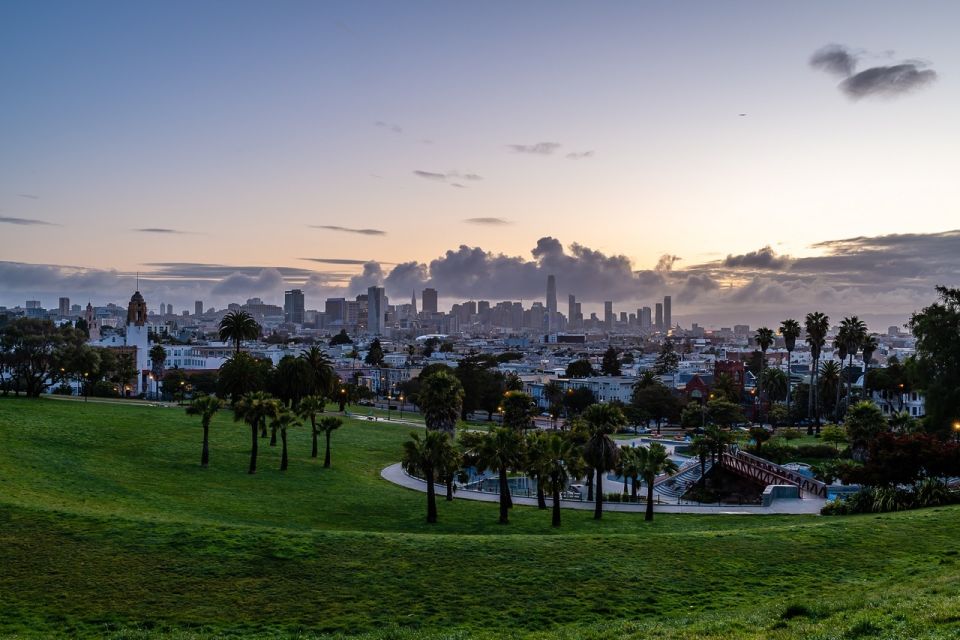
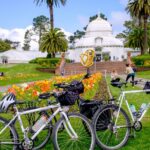
Next comes Mission Dolores Park, a place with a complicated past. The park used to be a Jewish cemetery and is now one of the city’s most popular parks. That shift matters, because it shows how the Mission has been reshaped over time while still carrying traces of what came before.
As you walk through the park area, the tour includes two standouts:
- Father Hidalgo’s statue
- The Golden Fire Hydrant, described as the only fire hydrant to survive the 1906 earthquake
This is where the tour really earns its history-meets-streets format. It’s one thing to read about 1906; it’s another to stand near a physical object that’s become part of neighborhood storytelling. Your guide’s job here is to connect that survival detail to what the Mission became afterward—and why people still point at that hydrant when they talk about resilience.
If you’re sensitive to uneven terrain, watch your footing around park paths. It’s not a hike, but you’ll be moving on natural surfaces.
Café de Olla: Oaxacan-style comfort food that sets the pace
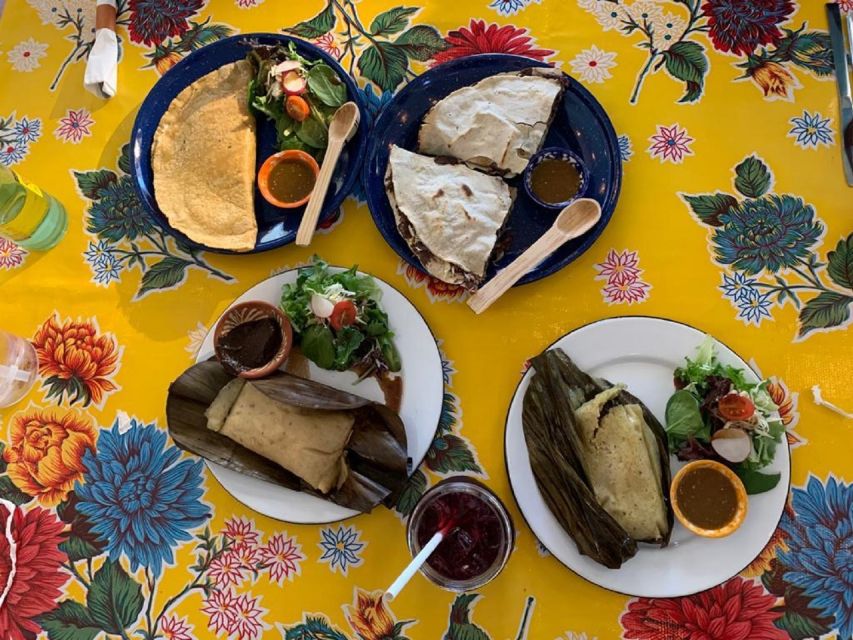
Food time at Café de Olla is a key reason this tour feels worth the price. The restaurant makes things from scratch and focuses on Oaxacan-style cuisine. The tour isn’t vague about what you’ll likely taste: think quesadillas, tamales, tlayudas, and tortillas, plus drinks like agua fresca or ice caffe da olla.
I like that this stop isn’t just about eating. It’s also about learning how ingredients and traditions travel. Oaxacan flavors in the Mission are part of the neighborhood’s real identity, and tasting them makes the later street art and architectural context easier to understand.
A practical note: plan for this tasting to take the edge off your hunger, not to create a food coma. You’ll still have another tasting later, so keep that in mind when you decide how quickly to try everything.
Mission Street: architecture, daily life, and the neighborhood rhythm
After Café de Olla, you head out along Mission Street, where the tour leans into everyday culture. You’ll pass traditional stores and theatres—places that make the neighborhood feel like a living place, not a themed attraction.
This is also where the architecture briefing is useful. You’ll spot different styles, including:
- Victorian
- Stick-style houses
- Mixed-use Mission Revival buildings
It’s not an architecture lecture, but it helps you understand why the Mission feels visually layered. Different eras built different needs, and those needs still show up in what you see today. Even if you don’t call yourself an architecture person, you’ll start recognizing patterns when your guide points them out.
Quick pacing tip: wear shoes you trust for sidewalks. Mission Street blocks can feel endless if your feet are already unhappy.
You can also read our reviews of more food & drink experiences in San Francisco


24th Street: the 8-block stretch built for choices
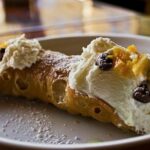
The tour then moves toward 24th Street, an about 8-block stretch known for a concentration of food options. This part works especially well if you like choice, because your second tasting is guided toward options like tacos, pastries, or coffee.
Even with a set structure, this segment feels flexible. The point isn’t to make you rush through every window; it’s to give you enough time to notice what’s popular and connect it to the tastes you had earlier at Café de Olla. If you’re the type who enjoys comparing styles—crispy vs. soft, masa-forward vs. filling-forward—this is a fun stretch.
The main drawback here is timing: if you’re the slow, savor-everything type, you’ll want to keep an eye on the group pace so you don’t miss the mural stop later.
Balmy Alley murals: art as a record of anger and survival
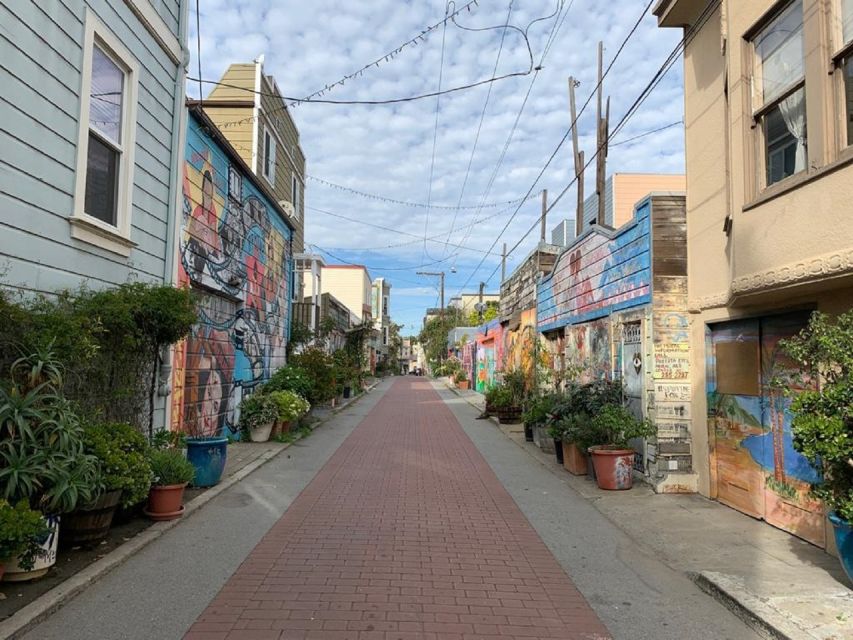
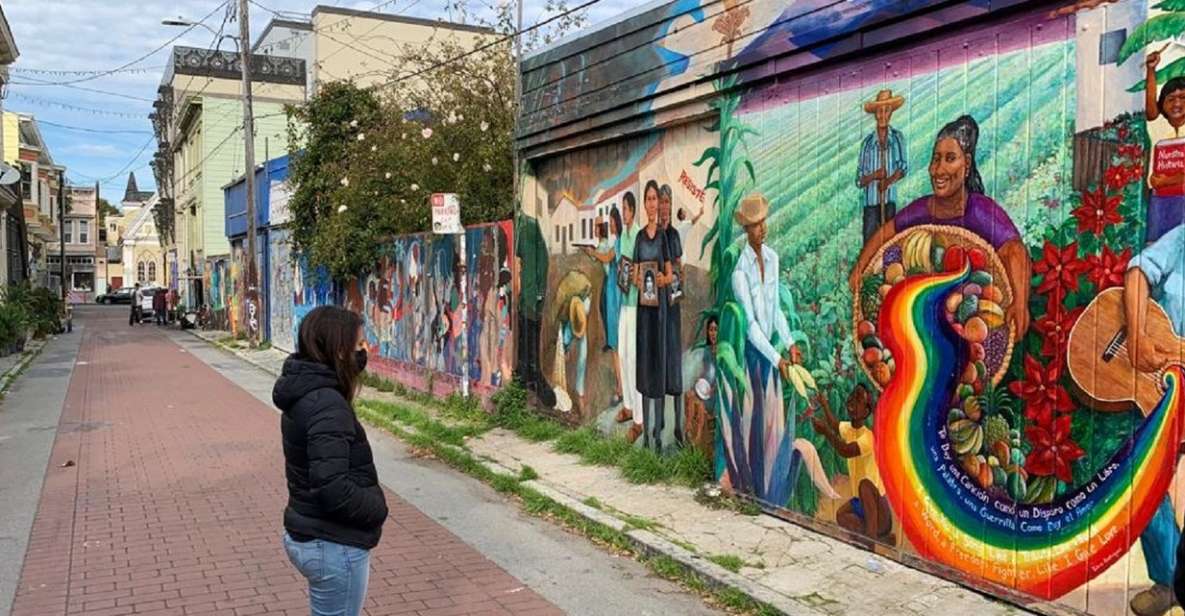
The final major storytelling stop is Balmy Alley, where you’ll see an extensive collection of murals. This is the kind of place where your brain switches gears from history facts to visual meaning.
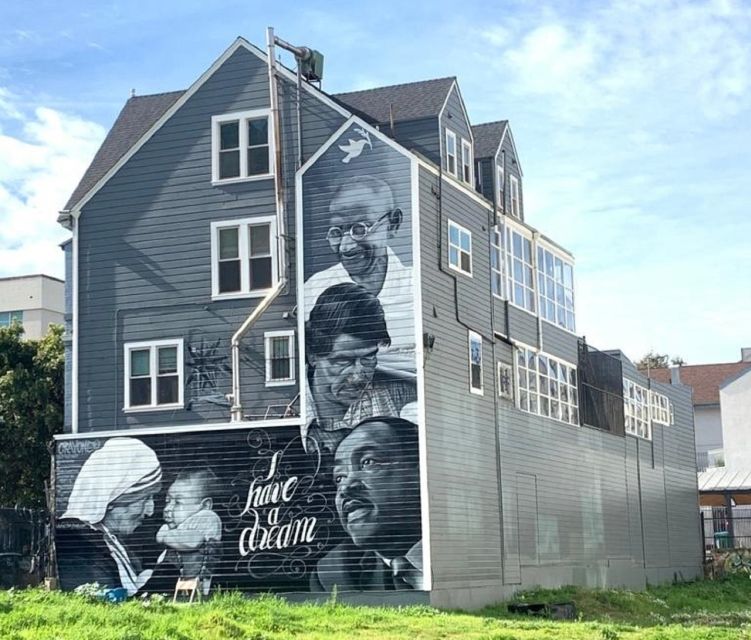
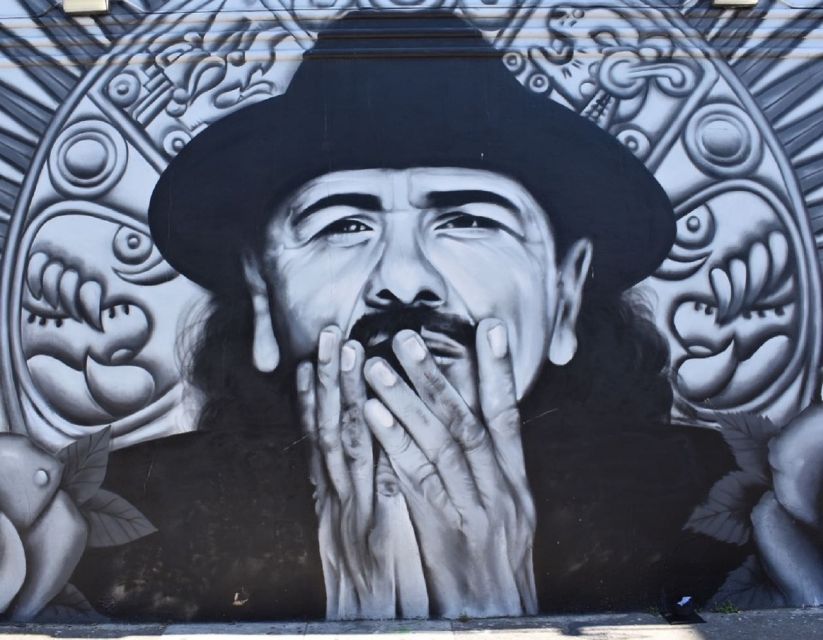
The tour emphasizes themes behind the murals, many painted as an expression of outrage over human rights violations and political abuses in Central America. That context matters. Without it, street art can look like just color and talent. With it, you start seeing the murals as community communication—warnings, memorials, and calls to attention.
I also appreciate that the tour closes with something so human. After Mission Dolores and the Golden Fire Hydrant, you’ve already seen how the past survives. Balmy Alley shows how the present responds.
Tip: bring your patience for looking. You’ll want a minute to stand still and actually read the stories in layers, not just walk past them.
Walking time, food pacing, and what to bring
This tour runs about 210 minutes, so think of it as a half-day plan with purposeful breaks. That timing usually works best when you arrive ready to walk and snack, not when you show up too full or too tired.
What to bring is straightforward, and I’d take it seriously:
- Comfortable shoes (non-negotiable for San Francisco sidewalks)
- Comfortable clothes
- Weather-appropriate layers
Also, consider your drinking strategy. The tour includes drinks like agua fresca and ice caffe da olla during the Café de Olla tasting, so you won’t need to plan your own hydration around every corner. Still, in warm or foggy conditions, bring water if you run hot.
Price and value: what $99 gives you here
At $99 per person, this isn’t the cheapest way to see the Mission. The value comes from what’s bundled and what’s not:
- A guided walking route through major Mission landmarks
- An included entrance fee for Mission San Francisco de Asís
- Two food tastings, including the Café de Olla stop
- A second tasting choice (tacos, pastry, or coffee)
If you tried to DIY this, you’d still pay admission for the Mission site (depending on what you choose), and you’d likely spend more time searching for the right food spots. Here, the pacing is built for you: history early, tasting at the right midpoint, then architecture and murals to finish.
The strongest value is the guide. Multiple guests highlight that a local guide like Joseph can make the area feel connected, not just observed. When your guide adds personal neighborhood context, you stop treating street art as random and start seeing it as an ongoing conversation.
Who this tour fits best
This works best for you if you want a Mission District experience with structure:
- You like food tastings that actually represent a neighborhood, not just a single trendy meal
- You want history told through real places like Mission Dolores, the park, and Balmy Alley
- You appreciate someone who can connect architecture, murals, and community memory
It may be less ideal if you’re the type who prefers very short, highly selective sightseeing. One person felt there was too much time in the Mission, which is a fair warning: this is a Mission-heavy itinerary with multiple stops in the neighborhood.
Final verdict: should you book this Mission District tour?
I’d book it if you want one organized plan that pairs food with place-based storytelling. Starting at Mission San Francisco de Asís, learning the Mission Dolores Park cemetery transformation, seeing the Golden Fire Hydrant, and ending at Balmy Alley murals creates a satisfying arc. Add the Café de Olla tasting—plus the second food option—and you get a full sensory day without having to map everything yourself.
I’d skip or rethink it if you only want a quick look at the Mission, or if long walking time doesn’t fit your travel style. Otherwise, this is a strong value for a local, story-forward route that helps you understand why the Mission looks the way it does and why it matters.
FAQ
How long is the Mission District Food & History Walking Tour?
It lasts about 210 minutes.
How much does the tour cost?
The price is $99 per person.
Where do I meet the guide?
Meet your guide in front of Misión San Francisco de Asís.
Where does the tour end?
The tour finishes at 50 Balmy St, San Francisco, CA 94110.
What food is included in the tastings?
You get food tasting at Café de Olla, and a second food tasting where the choice includes tacos, pastry, or coffee.
Is there an entrance fee included for Mission San Francisco de Asís?
Yes, the entrance fee to Mission San Francisco de Asís is included.
What language is the tour guide?
The tour is in English with a live tour guide.
Can I cancel for a full refund?
Yes. You can cancel up to 24 hours in advance for a full refund.
Is Reserve & Pay Later available?
Yes. You can reserve now and pay later, meaning you pay nothing today.
If you want, tell me what month you’re going and what kind of food you like most, and I’ll suggest how to plan your day around this route.