REVIEW · SAN FRANCISCO
San Francisco: Vintage Murder Mystery Guided Walking Tour
Book on GetYourGuide →Operated by Junket · Bookable on GetYourGuide
San Francisco crimes, told block by block. This 2-hour vintage murder mystery tour ties famous cases to real sidewalks, so the stories feel immediate instead of stuck in a book. I love the odd details you hear along the way, like poisoned chocolate and a headless-ghost vibe, and I also like how the guide connects the Zodiac and Night Stalker trails to actual places you can still point at today. The main drawback: you’re on foot rain or shine, and it’s not a good match if you can’t handle more than about a mile of walking.
You’ll start at Lotta’s Fountain on the corner of Market St and Kearney St, then follow a seasoned local guide through neighborhoods tied to some heavy, well-known chapters in SF history. Expect a mix of true-crime lore and social context, including the Transgender District and the police brutality that helped spark a nationwide movement. Plan for a tour that’s more about hearing stories than museum stops, and remember there’s no time for breaks at indoor attractions.
In This Review
- Key Things to Know Before You Go
- Start at Lotta’s Fountain: Where the Mystery Begins
- Two Hours on Foot: The Pace, the Weather, and the Reality Check
- Saint Francis Hotel and the Gerald Ford Escape-from-Shots Story
- LGBTQ Riot and the Transgender District: Justice Stories That Land
- Poisoned Chocolate, a Headless Ghost, and the “Heart Throb” Killer Tales
- Following the Zodiac Killer Letters: Decoding the City’s Headlines
- Night Stalker Footsteps: Why This Case Still Feels Close
- The Old Press Club and the Disembodied Head Connection
- What You’ll Actually Hear Along the Route (And Why It Works)
- Rules of the Walk: What You Need to Bring and What’s Not Allowed
- Who This Walking Tour Is Best For
- Should You Book This San Francisco Murder Mystery Walk?
- FAQ
- Where is the meeting point for the Junket tour?
- How long is the San Francisco vintage murder mystery walking tour?
- Does the tour run in bad weather?
- What should I bring for the tour?
- Is the tour suitable for people with mobility impairments?
- What is not allowed during the tour?
Key Things to Know Before You Go
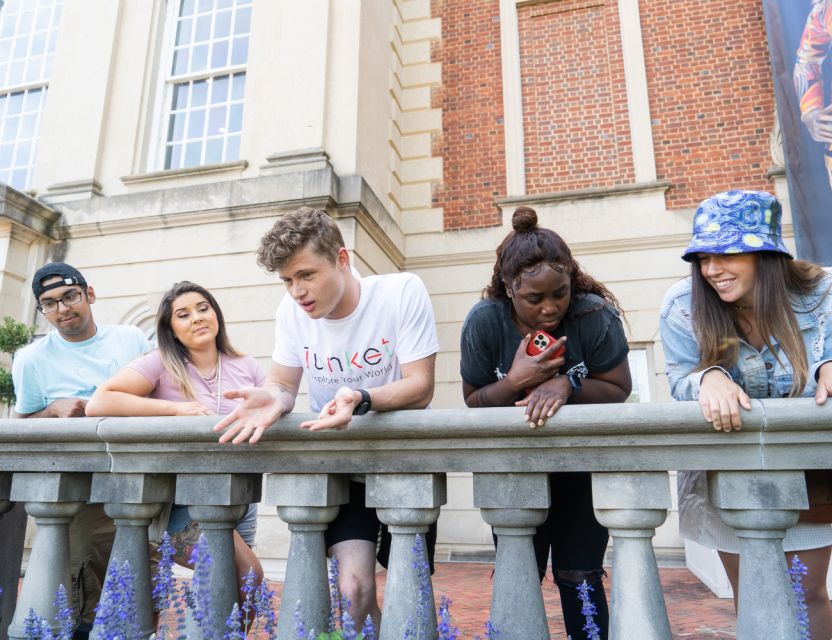
- Meet at Lotta’s Fountain (Market St & Kearney St), and show up 15 minutes early so you start together.
- 2 hours of walking on a real city route, with no transportation included.
- Rain or shine means shoes matter more than you think.
- You’ll hear cases tied to poisoned chocolate, a headless ghost, and a “heart throb” killer.
- No smoking, alcohol, drugs, or video recording during the tour.
- Not for limited mobility: it’s not recommended if walking more than a mile is hard for you.
Start at Lotta’s Fountain: Where the Mystery Begins
Your tour starts at Lotta’s Fountain, right where Market St meets Kearney St. That’s a smart choice. It puts you at a recognizable landmark, and it’s also a practical gathering point—easy to find, easy to reference as you head out.
Before you step off, you’ll want to be early. The guide will be wearing a Junket t-shirt and carrying a flag for easy identification. Showing up about 15 minutes ahead means you can get oriented, meet your group, and settle in before the stories start flying.
This is also where you’ll get the tour’s basic promise: you’re not just hearing spooky headlines. You’re walking through San Francisco with a well-researched local guide, and the guide uses credible history to connect the crimes to the city’s neighborhoods and social tensions.
You can also read our reviews of more walking tours in San Francisco



Two Hours on Foot: The Pace, the Weather, and the Reality Check
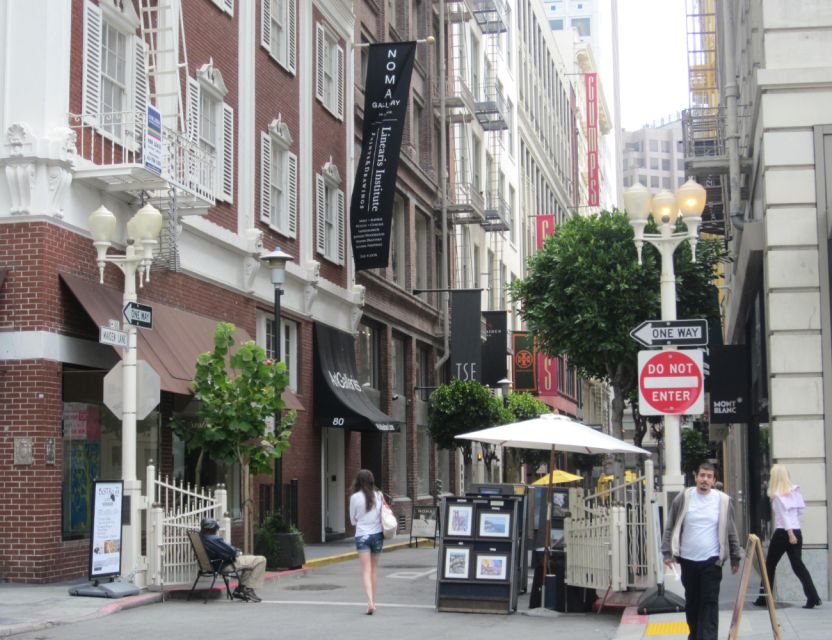
This experience is built as a 2-hour walking tour. That sounds straightforward until you remember SF weather can change fast—and this tour runs rain or shine. So your best friend here is footwear.
Bring comfortable shoes. If you’re the type who hates getting legs tired before lunch, plan accordingly. The tour isn’t designed for long stretches of sitting, and there are no “we’ll stop at a café for a full break” expectations built in.
The tour also makes a clear call on suitability: it’s not recommended if you can’t walk more than a mile, and it’s not suitable for people with mobility impairments. If that constraint feels even slightly close, I’d treat it as a deal-breaker rather than a “maybe.”
One more practical note: there’s no transportation included, so you’re fully responsible for how you get to the meeting point and how you’ll get back afterward.
Saint Francis Hotel and the Gerald Ford Escape-from-Shots Story
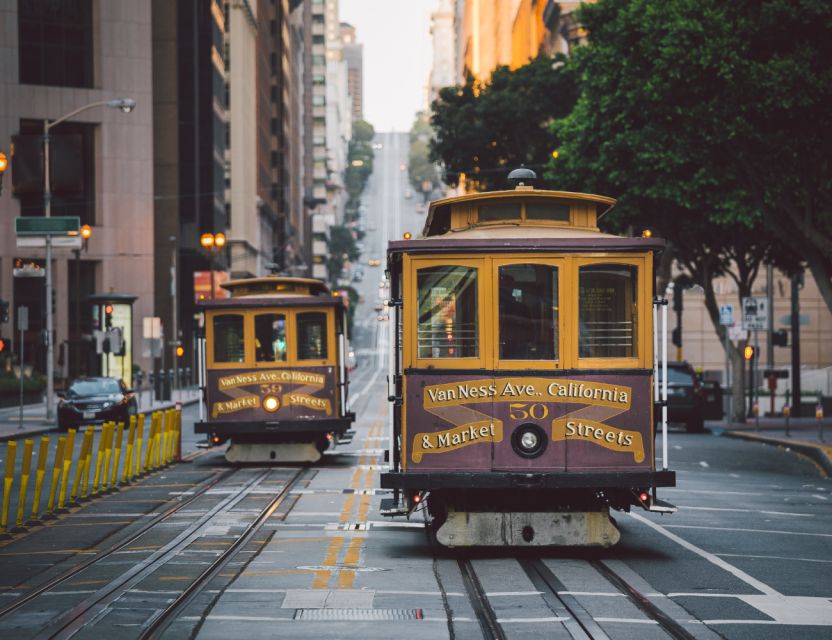
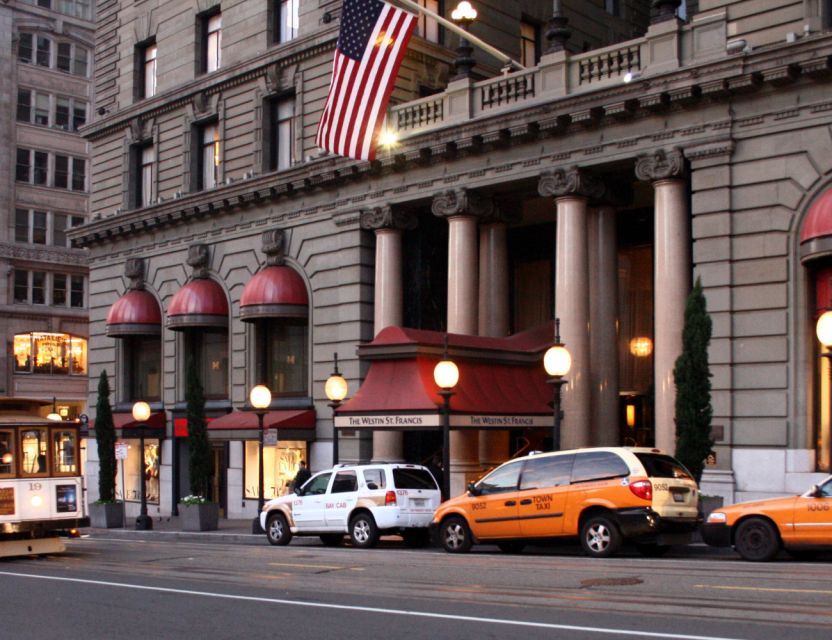
One of the most attention-grabbing threads on this tour is the attempt involving President Gerald Ford at the Saint Francis Hotel. The tour frames it around the idea that Ford escaped being shot—and it uses the hotel stop as a way to talk about how public events, security, and high-profile locations become part of the crime narrative.
Even if you already know the broad outline of this kind of incident, the walking-tour format changes the feel. You’re not just learning a date. You’re standing in the urban setting where the event could have played out differently.
A bonus value here is tone. The guide doesn’t treat the story like pure spectacle. It’s presented as history tied to place, which is exactly what makes a walking tour worth your time. You leave with the sense that San Francisco’s famous landmarks have layers—some visible, some hidden.
LGBTQ Riot and the Transgender District: Justice Stories That Land
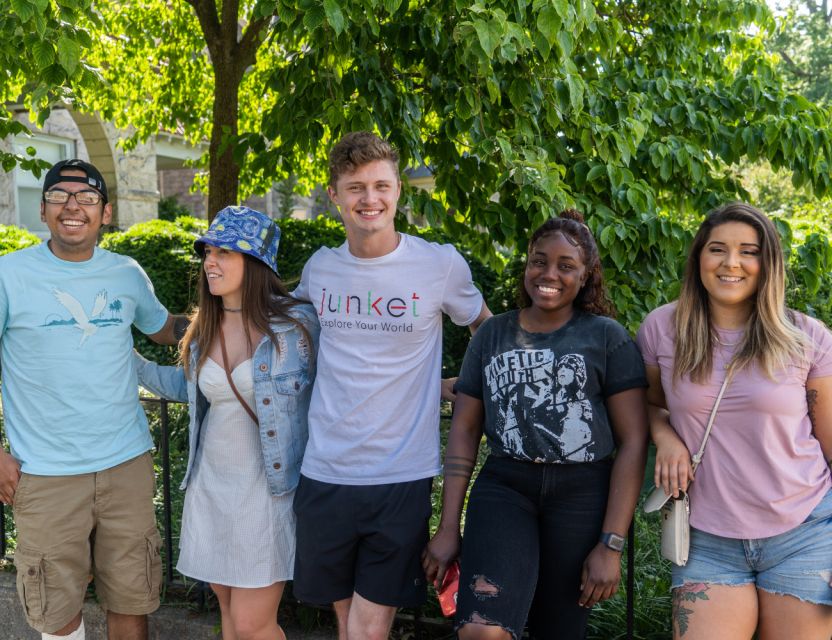
If you want a tour that only sticks to ghosts and serial killers, this isn’t that. One of the biggest sections is the LGBTQ riot that launched a national conversation, plus time spent in the Transgender District.
This part matters for two reasons.
First, it shows how crime and public safety aren’t only about individual villains. They’re also about systems—especially police brutality. The tour specifically connects the violence and harassment faced by transgender communities to a nationwide movement. That’s not just “sad history.” It’s a story about organizing, visibility, and why certain clashes changed public awareness far beyond San Francisco.
Second, it keeps the learning grounded. Instead of learning the topic as a distant headline, you’re walking through neighborhoods tied to that momentum. That makes it easier to understand why people talk about place when they talk about civil rights and community survival.
Be ready for this segment to feel emotionally serious. You’ll get a lot of context from the guide, so listening closely helps you get more out of it than the thrill parts.
Poisoned Chocolate, a Headless Ghost, and the “Heart Throb” Killer Tales
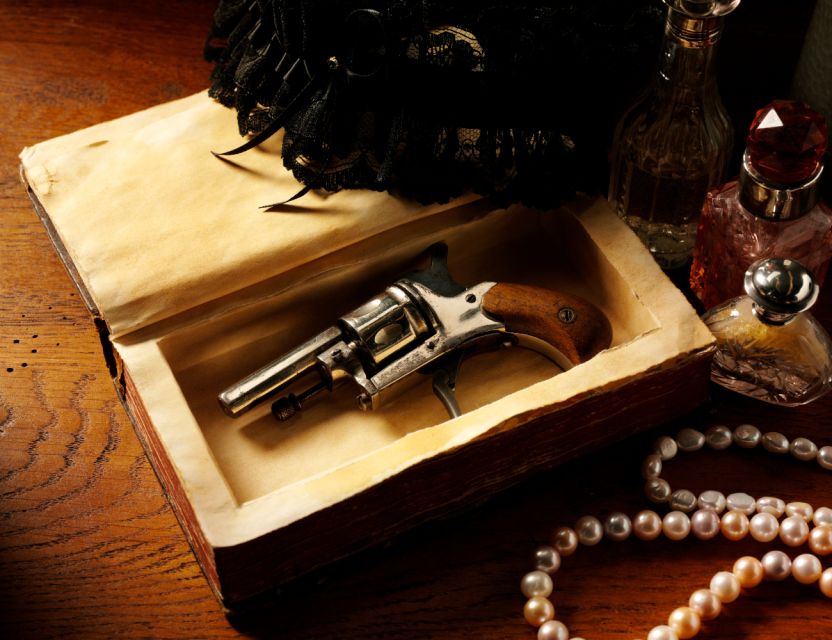
This tour leans into “mystery” energy, and that comes through in the types of stories you hear.
You’ll get tales of:
- poisoned chocolate
- a headless ghost
- a “heart throb” killer
Now, not every spooky story is the same kind of case, and the guide’s value is that it aims to keep the material grounded in credibility and research. The point isn’t to trick you into believing something just because it sounds eerie. It’s to show how SF’s crime lore spreads—and how rumors, reporting, and real investigations can overlap in the public imagination.
For you, this is one of the reasons the tour works. The scary stories help you stay engaged, and then the guide gives the historical framework that turns a campfire-style tale into something you can actually place in San Francisco’s bigger story.
If you’re sensitive to crime content, you may want to pace yourself during this segment. The tone can swing from creepy detail to serious context as the tour moves between cases.
You can also read our reviews of more guided tours in San Francisco




Following the Zodiac Killer Letters: Decoding the City’s Headlines
One of the tour’s most specific “wait, what?” moments is about the Zodiac Killer sending dozens of letters to the San Francisco Chronicle. The tour uses that fact to connect the case to the media landscape of the time, not just to anonymous streets.
That connection is useful. When you understand that the Chronicle was part of how fear traveled, you start seeing the case as more than one offender’s actions. It becomes a conversation between investigator efforts, public reaction, and a newsroom trying to report what it can without inflaming panic.
Walking along in a city like SF helps this stick. News doesn’t live in a vacuum. It gets carried through neighborhoods by people going to work, passing by buildings, and absorbing what’s on the front page. The guide uses that logic to keep the Zodiac story tied to the real geography of the city.
If you like true crime but hate when it stays surface-level, this is where the tour’s “well-researched and credible history” approach makes a difference. You don’t just hear that letters existed—you understand why they mattered.
Night Stalker Footsteps: Why This Case Still Feels Close
The tour also asks you to follow in the footsteps of the Night Stalker. In a walking format, “footsteps” is more than a metaphor. It’s a way of getting you to visualize movement through a neighborhood, rather than picturing events as abstract crime clips.
This is one of the most compelling setups on the tour because it bridges two kinds of understanding:
1) the timeline of the case
2) the way neighborhoods hold memories, even after the violence is long over
There’s also a practical payoff for you here. If you ever wondered why SF seems to generate so much true-crime attention, it’s because multiple cases overlapped with an era’s sense of uncertainty. The guide ties this together with the idea that the city’s reputation for mystery is partly built on how events played out in public.
I’d go in with open ears. The Night Stalker section is the kind of storytelling where it helps to let the guide’s pacing carry you, because the meaning comes from how the facts are connected.
The Old Press Club and the Disembodied Head Connection
Another standout stop is the Old Press Club, linked on this tour to a disembodied head. That’s exactly the kind of detail that makes you stop walking for a second and look around.
The best part of a guided walk is that you’re not stuck trying to figure out what a local legend means. The guide provides the explanation in the context of SF’s reporting culture and how certain sites get tied to stories over time.
Even if you normally skip the “weird lore” in favor of straightforward facts, this stop is worth your attention because it shows something real about San Francisco. The city has places where history, journalism, and rumor all collide. That collision is often what turns a case into long-lasting myth.
So you get a double win: spooky curiosity, plus a reason for why the story has staying power.
What You’ll Actually Hear Along the Route (And Why It Works)

A good mystery tour isn’t about cramming in as many scary names as possible. This one works because the guide keeps returning to how the crimes reflect the city.
You’ll hear a range of cases—from darker street-level incidents like the Night Stalker and Zodiac trail, to the public drama of Ford’s story at the Saint Francis Hotel, to the civic crisis of LGBTQ riot history and police brutality that fueled national momentum.
That mix is the real value for you.
- The crime stories give you energy.
- The social context gives the stories meaning.
- The local framing helps you understand why these events shaped how SF talked about safety, identity, and fear.
One line of thinking that runs through the tour is that crime reveals something about a place. You see that as the guide moves from “what happened” to “what it meant” without losing the thread of place-based storytelling.
Rules of the Walk: What You Need to Bring and What’s Not Allowed
This tour is easy to prep for if you follow the basics.
Bring:
- Comfortable shoes
- Weather-appropriate clothing (because rain or shine)
Not allowed:
- Smoking
- Alcohol and drugs
- Video recording
There’s also no transportation included, so you should think about how you’re getting there and whether you’ll need to get warm or dry afterward.
And yes—plan for an optional guide tip. It’s not included, but in my view it’s the kind of service where tipping makes sense if you felt the guide was organized and credible.
Who This Walking Tour Is Best For
This experience is a strong fit if you:
- like true crime but want it connected to real places
- want a guide who can tie mystery stories to credible history
- enjoy neighborhood walking more than sitting in one museum room
- are curious about how LGBTQ history and police brutality shaped national awareness
It’s not a good fit if you:
- can’t walk more than about a mile
- need mobility accommodations
- dislike crime and public-safety topics, especially the segments tied to police brutality
If you’re traveling with someone who prefers lighter sightseeing, this might feel heavy. But if you both like SF’s darker, smarter side, it can be a memorable shared night-and-day view of the city.
Should You Book This San Francisco Murder Mystery Walk?
Book it if you want a walking tour that treats San Francisco like a story you can walk through—Zodiac and Night Stalker footsteps, the Saint Francis Hotel Ford incident, and LGBTQ history tied to the Transgender District. The biggest strength is how the guide aims for well-researched, credible history while keeping the route entertaining with mystery elements like poisoned chocolate and the Old Press Club disembodied-head connection.
Skip it if you’re not comfortable with crime-centered content, or if walking more than a mile feels unrealistic. Also skip if rain would ruin your day—this tour runs no matter what.
If you’re ready for streets over screens, and you like learning the why behind the headlines, this one is an easy yes.
FAQ
Where is the meeting point for the Junket tour?
Meet your guide at Lotta’s Fountain at Market St and Kearney St. The guide will be wearing a Junket t-shirt and carrying a flag, and you should arrive 15 minutes early.
How long is the San Francisco vintage murder mystery walking tour?
It’s a 2-hour walking tour.
Does the tour run in bad weather?
Yes. The tour takes place rain or shine.
What should I bring for the tour?
Bring comfortable shoes and weather-appropriate clothing.
Is the tour suitable for people with mobility impairments?
No. It is not suitable for people with mobility impairments, and it is also not recommended if you cannot walk more than a mile.
What is not allowed during the tour?
Smoking, alcohol and drugs, and video recording are not allowed.