
REVIEW · SAN FRANCISCO
Woodside: Filoli Historic House and Garden Entry Ticket
Book on GetYourGuide →Operated by Filoli Center · Bookable on GetYourGuide
Filoli is a calm break from San Francisco traffic. I love the way this ticket connects a lavish early-20th-century mansion with 16 acres of English Renaissance gardens in one smooth visit, and I also love the Estate Trail’s mix of California ecosystems. The main trade-off is simple: it’s a lot of walking, so you’ll want comfortable shoes and a pace you can handle.
You’re heading to an oasis about 30 miles south of San Francisco, on 654 acres of coastal-range property. Expect seasonal garden displays, contrasting garden styles, and daily talks that help you see details you might otherwise miss. If you’re the type who only wants “pretty grounds” with no time for history, you may find the house and structured talks a little more than you planned.
In This Review
- Key highlights worth planning around
- Filoli in Woodside: what this 654-acre ticket really gives you
- Getting oriented: check-in kiosks by the main parking lot
- The historic house museum: early design you can actually see
- Gardens and seasonal displays: 16 acres that change with the calendar
- Nature trails on the Estate Trail: six ecosystems, not just pretty paths
- Guided talks in 15-minute bursts: how to use them without wasting time
- Clock Tower Shop: included access, practical role in your visit
- Price and value: is $36 worth it?
- Planning your day: shoes, pacing, and what to avoid bringing
- Who this fits best (and who might want something else)
- Should you book Filoli Historic House and Garden entry?
- FAQ
- How much is the Filoli Historic House and Garden entry ticket?
- How long is the ticket valid?
- What’s included with admission?
- Are workshops and special programs included?
- Is food or drinks included with the ticket?
- What should I bring?
- Are pets allowed?
Key highlights worth planning around
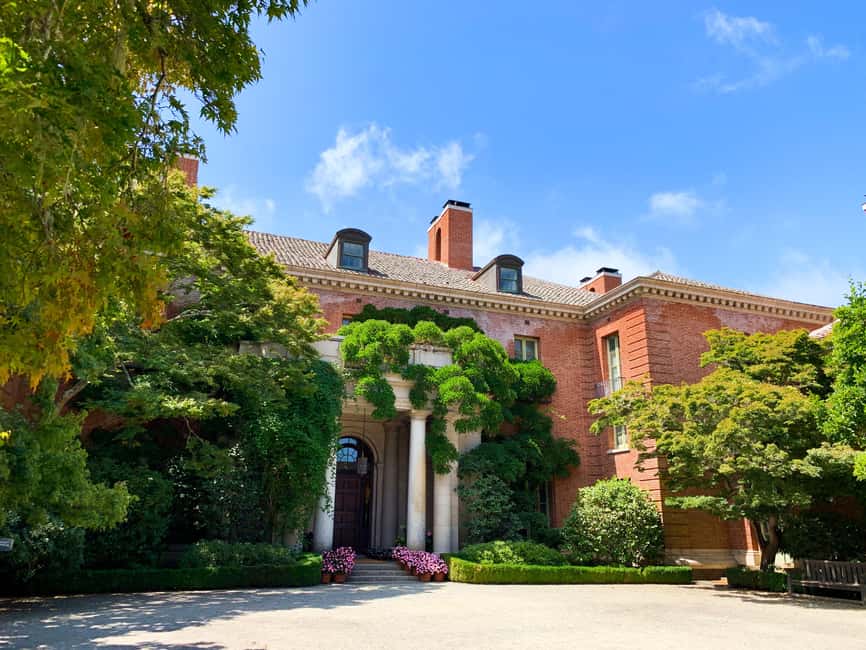
- Mansion + gardens in one ticket: access to the House, Clock Tower Shop area, and the gardens without needing separate bookings.
- Georgian terraces meet Renaissance garden design: you’ll get a real sense of how formal geometry changes the feel of a garden.
- Estate Trail with six California ecosystems: nature walking here is organized, not just a random stroll.
- Seasonal moments that change the visit: think spring blooms like tulips, and winter lights in season.
- 15-minute guided talks every day: short sessions like an Architecture Talk, Rose Talk, or Bulb Talk help you pick what fits your interests.
Filoli in Woodside: what this 654-acre ticket really gives you
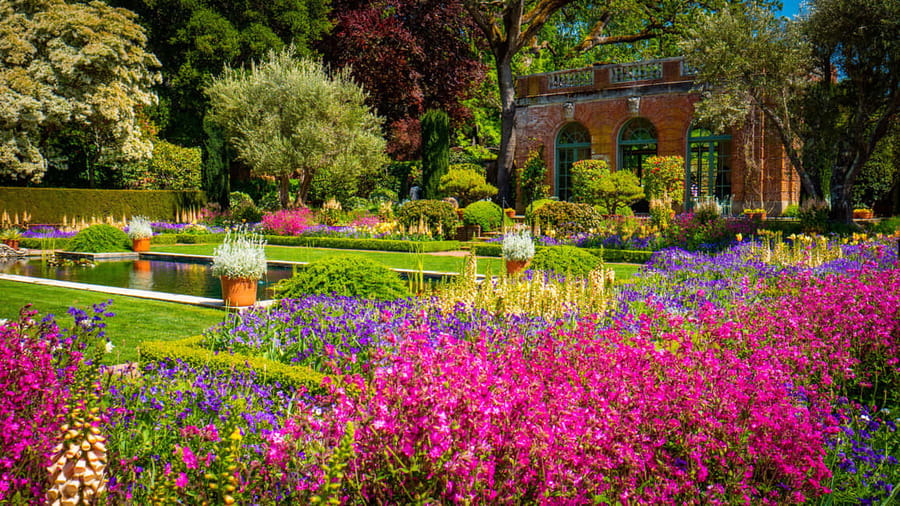
Filoli Historic House and Garden is set on 654 acres in Woodside, along the slopes of California’s coastal range. With this entry ticket, you’re not stuck choosing between a house museum or gardens—you get both, plus access to the Estate Trail.
What makes this a strong value is that the estate is designed for self-guided wandering, but it also offers daily, short guided talks. That mix is ideal if you like to move at your own speed, but still want someone to point out details that make the place click.
The ticket is priced at $36 per person, and it’s valid for 1 day, with starting times you check at booking. In practice, this matters because you can choose a time that matches your energy—morning for lighter crowds and softer light, or later if you’re chasing specific seasonal garden effects.
You can also read our reviews of more tours and experiences in San Francisco



Getting oriented: check-in kiosks by the main parking lot

Your visit starts at the check-in kiosks by the main parking lot. Plan to arrive a bit early so you can get oriented before you’re walking through the grounds.
Once you’re checked in, you’ll have access to several core areas: the House, the gardens, and the Estate Trail. That’s useful because you can build a simple route—house first if you like history early, gardens first if you’re there mainly for plants and seasonal displays.
Also remember the practical rules right up front: no drones, no bikes, and no smoking or vaping. If you’re traveling with anyone who needs assistance, the site is wheelchair accessible and assistance dogs are allowed.
The historic house museum: early design you can actually see
The centerpiece is the historic house museum. This isn’t just a building to photograph from the outside. You’ll step inside and see a lavish early 20th-century mansion-style interior, with the kind of rooms where layout and design details matter.
I like the way the house visit supports the gardens instead of competing with them. The estate is meant to be understood as a whole: formal outdoor spaces meet carefully designed indoor space. If you pay attention to the transitions—where terraces change sightlines and how rooms relate to the outdoor flow—you’ll get more out of the time here.
The gardens also mention a specific design contrast you’ll notice as you move through the property: Georgian-style terraces versus a Renaissance-style garden feel. Even if you don’t know design terms, you’ll sense the difference in how structured the space becomes and how your eyes are guided.
Gardens and seasonal displays: 16 acres that change with the calendar
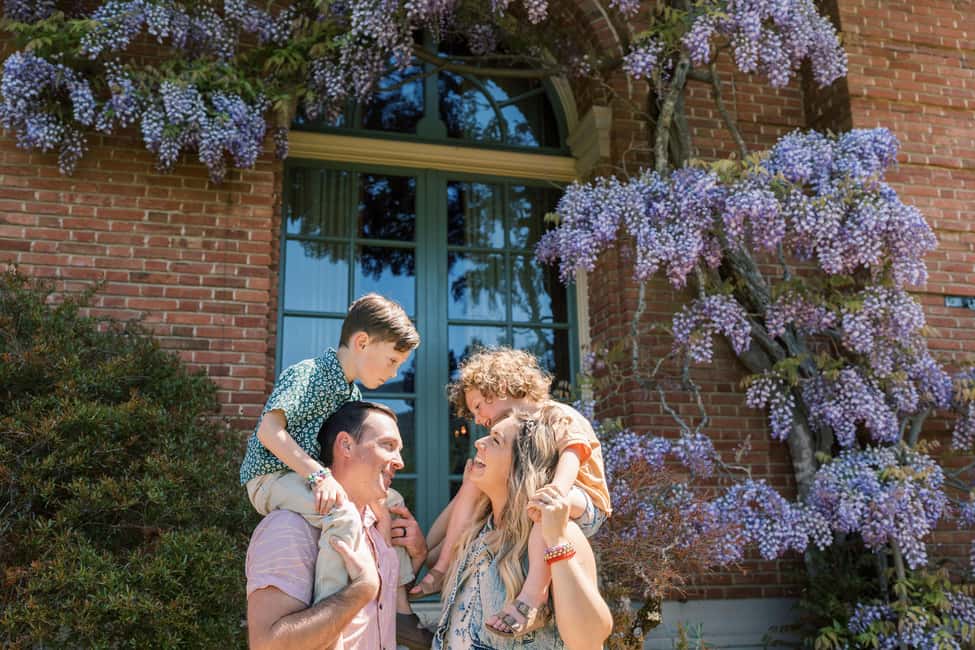
The gardens cover 16 acres, and the experience is built around seasonal displays and new blooms. This is the part that rewards repeat timing—if you ever come back (or if you’ve visited other gardens), you’ll notice how plants and displays shift the mood of the whole estate.
In spring, the property highlights blooming moments like tulips in large numbers. In winter, it’s known for miles of glittering lights, which changes the experience from daytime strolling to evening atmosphere. The key idea: this place isn’t frozen. The gardens are meant to be “read” as seasons change.
One detail I’d plan around is the Vegetable Garden Bar highlight during spring blooms. The listing frames it as a way to walk among spring flowers with a drink from that bar. At the same time, the basics say food and drinks aren’t included with your general admission, so treat that as an optional purchase opportunity rather than a guaranteed included perk.
As you stroll, look for the way formal outdoor design changes your walking rhythm. Garden paths here aren’t just for getting from point A to B. They set up views, frame plants, and create pauses—exactly what you want when you’re touring a historic property.
Nature trails on the Estate Trail: six ecosystems, not just pretty paths
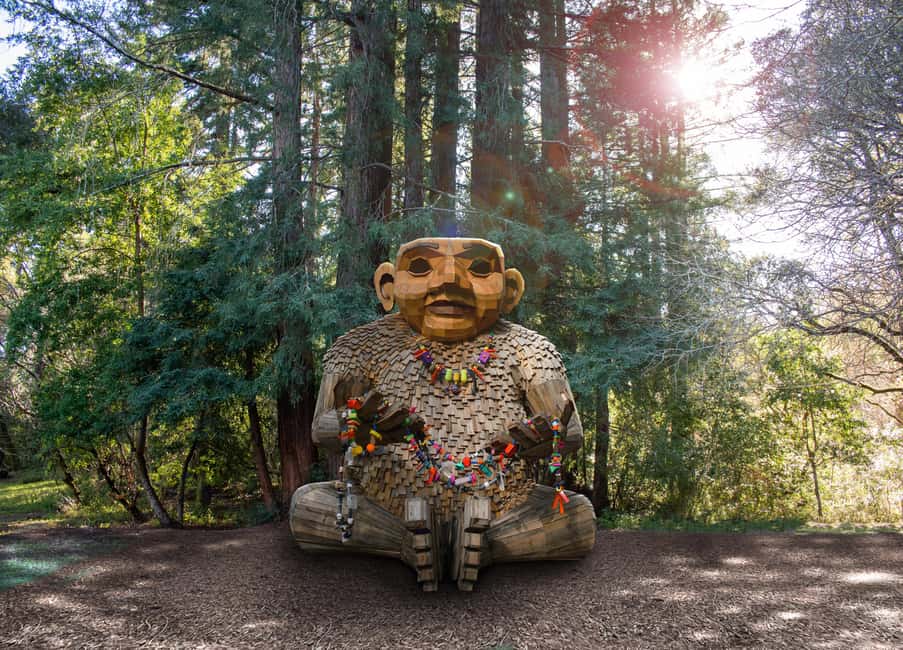
After the formal garden areas, you’ll have access to the Estate Trail, which is where Filoli gets especially interesting for nature lovers. The estate trails showcase six different ecosystems of California, which means your walk should feel varied instead of repetitive.
You’re essentially getting a guided-feeling experience without needing a paid hike tour. Even if the trail is self-paced, the ecosystem concept gives you a structure: you can pay attention to how vegetation and the “feel” of the space shifts as you move.
This is also a good way to balance the day. If the mansion and gardens make you slow down, the trail brings you back into a steady walking loop. And because the property is large—654 acres—there’s enough room for both leisurely garden wandering and longer stretch walking.
Bring a comfortable shoe and be ready for uneven ground in garden and trail areas. The listing doesn’t promise flat paths everywhere, so your best move is to dress like you’ll be walking for a while.
You can also read our reviews of more historical tours in San Francisco






Guided talks in 15-minute bursts: how to use them without wasting time
Daily talks are included with general admission, and they’re short—about 15 minutes. That’s important because it keeps the experience flexible. You don’t need to sit through a long lecture to benefit.
Topics vary by day and season, and the listing gives examples of how different talks can be: an Architecture Talk, a Rose Talk, or a Bulb Talk. If you’re interested in plant details, a rose or bulb-focused talk can help you notice more than just color. If you care about design and planning, an architecture-oriented talk gives context for why terraces and garden layout feel the way they do.
My practical advice: pick one talk that matches what you’re most excited about, then let it shape how you walk afterward. If you choose the architecture talk, you’ll likely pay more attention to angles, symmetry, and how spaces direct views. If you choose the rose or bulb option, you’ll probably start recognizing plant habits and seasonal cues.
Clock Tower Shop: included access, practical role in your visit
You’ll also have access to the Clock Tower Shop area as part of the ticket. This isn’t a required stop, but it can be handy for practical reasons—like grabbing something small, browsing, or slowing down before you continue.
Just be clear: access doesn’t mean everything is free. If you’re hoping for meals or snacks, the listing states that food and drinks are not included. Think of the shop as optional browsing and convenience, not a meal plan.
Price and value: is $36 worth it?
At $36 per person, this entry ticket sits in the “paid but worthwhile” range for an estate visit. You’re paying for multiple elements that would otherwise take separate tickets or add extra bookings: the House, the gardens, Estate Trail access, and daily talks.
The real value is that you’re not forced into a single type of experience. If you’re into architecture or historic interiors, the mansion helps. If you’re into flowers and garden design, the 16 acres deliver with seasonal displays. If you want nature, the Estate Trail’s six ecosystems add a different kind of interest.
The only reason this might not feel like a good deal is if you won’t use the full day. This ticket is valid for 1 day, but you’ll likely get the best satisfaction by giving yourself enough time to switch modes: indoors, formal gardens, then trail walking.
Also consider the cost of incidental purchases. Since food and drinks are not included, you may want to bring your own strategy for refreshments (without turning this into a picnic mission, since the listing doesn’t describe that option). If you plan to buy a drink at the Vegetable Garden Bar, budget for it.
Planning your day: shoes, pacing, and what to avoid bringing
You only need one specific item listed: comfortable shoes. That’s a big clue. Plan to move through both garden paths and trail segments, and choose footwear you can walk in without thinking about it.
A few “don’ts” are clearly stated and worth knowing before you get there:
- No drones
- No bikes
- No weapons or sharp objects
- No pets (assistance dogs are allowed)
- No smoking or vaping
- No alcohol and drugs
If you’re visiting with a camera drone hobbyist in the group, or if someone is bringing a bike to “save steps,” you’ll want to adjust before you arrive. The estate is designed for walking.
Finally, if you’re sensitive to time: the talks are about 15 minutes, so don’t try to schedule your whole day around them. Use them like short opportunities—then go back to wandering and let your interests set the pace.
Who this fits best (and who might want something else)
This ticket works well if you like structured beauty with real context. The mansion and the garden design contrasts (Georgian terraces alongside Renaissance garden style) make it easier to understand what you’re looking at. The Estate Trail’s six ecosystems adds a nature component that feels more intentional than a casual park walk.
It’s also a good match for people who want a calm, self-guided day with a small, included learning boost from daily talks. Those 15-minute sessions are perfect when you don’t want your day chopped into long guided segments.
If your ideal visit is mostly hands-off—no talks, no attention to design, no indoor time—then you might feel like you’re paying for parts you won’t use. But for most curious visitors, the mix is the point.
Should you book Filoli Historic House and Garden entry?
I’d book it if you want a one-stop estate experience near San Francisco that balances indoor history, formal gardens, and trail nature in a single day. The included daily talks add value without forcing a rigid schedule, and the seasonal changing displays (including spring blooms and winter lights in season) make the ticket feel like more than a one-note visit.
I’d pause and reconsider if you hate walking for long stretches or you’re not interested in either the mansion interior or the guided talk structure. If you’d rather do only one type of experience—just gardens or just museums—you might feel this ticket asks for more variety than you want.
If you’re the kind of person who likes to learn what you’re seeing in small doses while still having time to wander, Filoli is a smart choice. Just bring good shoes, plan for a full day, and pick one talk topic that matches what you’re most excited to notice.
FAQ
How much is the Filoli Historic House and Garden entry ticket?
The price is $36 per person.
How long is the ticket valid?
It’s valid for 1 day. You’ll check availability for starting times when booking.
What’s included with admission?
Admission includes access to the House, Gardens, Clock Tower Shop, Estate Trail, and daily talks.
Are workshops and special programs included?
No. Workshops and special programs are not included.
Is food or drinks included with the ticket?
No. Food and drinks are not included.
What should I bring?
Bring comfortable shoes, since you’ll be walking through the house, gardens, and trails.
Are pets allowed?
Pets are not allowed. Assistance dogs are allowed.