REVIEW · SAN FRANCISCO
Castro District LGBTQ+ Historic Tour
Book on Viator →Operated by Mick's Bootique Tours · Bookable on Viator
Street history shows up in every corner here. This 90-minute Castro District LGBTQ+ Historic walk is a smart, story-driven way to understand how San Francisco shaped national LGBTQ visibility, starting at Harvey Milk Plaza.
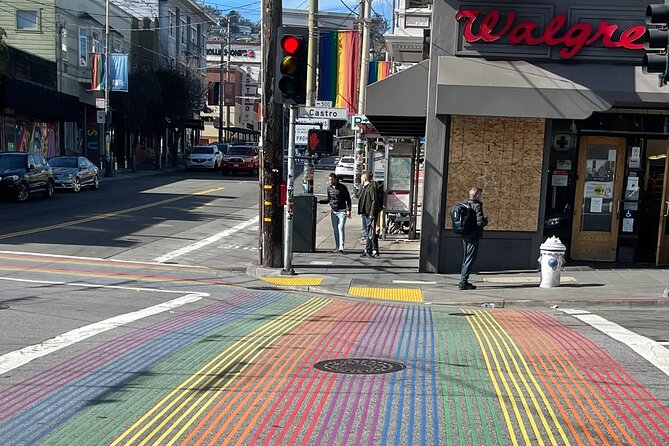
I especially like the stop choices: you get short, focused looks at major landmarks and memorials, including the Castro Theatre and Pink Triangles Memorial Park, without it dragging. I also love the way the guide connects everyday storefronts to the bigger questions, like why the neighborhood’s naming shifted from GLBT to LGBT and what the rainbow flag’s different colors are meant to represent.
One consideration: this is a moderate physical fitness walking tour, so plan for city sidewalks and take your time at solemn stops like Pink Triangles Memorial Park.
In This Review
- Key points to know before you go
- Why the Castro District still matters for LGBTQ+ America
- Meeting at Harvey Milk Plaza and planning your 3:00 pm timing
- Stop-by-stop: what you’ll learn from each landmark
- Stop 1: The Castro (30 minutes)
- Stop 2: Castro Theatre (10 minutes, not ticketed)
- Stop 3: GLBT Historical Society Museum (10 minutes, not entered)
- Stop 4: Pink Triangles Memorial Park (20 minutes)
- Stop 5: Twin Peaks Tavern (20 minutes, then you wrap up at The Mix)
- The guide makes the difference: timeline pacing, comfort, and passion
- Price and value: getting a lot of story per $39
- What to expect overall: how heavy topics fit with a neighborhood walk
- Who this tour suits best (and who should think twice)
- Should you book the Castro District LGBTQ+ Historic Tour?
- FAQ
- How much does the Castro District LGBTQ+ Historic Tour cost?
- How long is the tour?
- Where does the tour start and end?
- What time does the tour run?
- Does the tour use a mobile ticket?
- Which stops are included on the walking route?
- Are tickets for the Castro Theatre and GLBT Historical Society Museum included?
- Is the group size small?
- Is it suitable if I have only moderate walking ability?
- Can I cancel for free?
Key points to know before you go
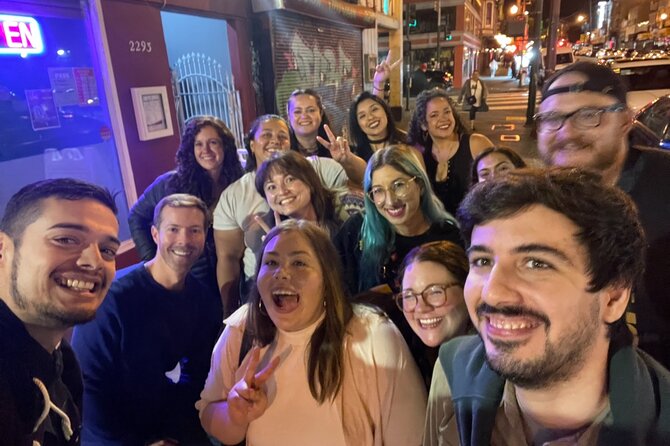
- 90 minutes with a small group (max 10 people) keeps questions welcome and the pace manageable.
- Mobile ticket means less hassle once you’re meeting up.
- Start at Harvey Milk Plaza and end at The Mix, right where locals often unwind.
- Pink Triangles Memorial Park is a public stop with a heavy, historical topic.
- GLBT Historical Society Museum is discussed even without entering, including the original rainbow flag connection.
- Some landmarks are time-based, not ticketed (the Castro Theatre and GLBT Museum entry are not included).
Why the Castro District still matters for LGBTQ+ America
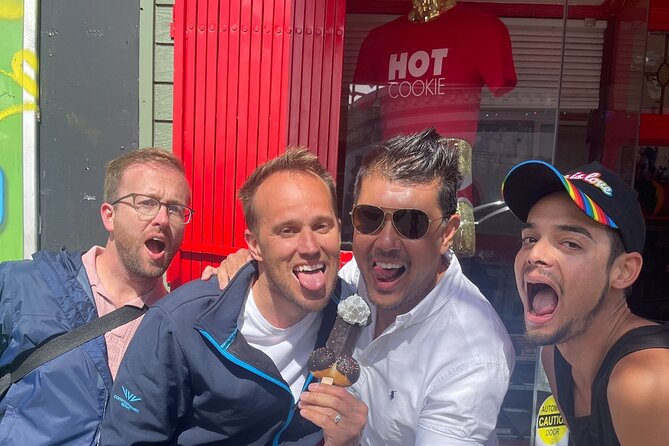
The Castro District is small on the map, but it has always acted like a public stage. This tour is built to help you read that stage: storefronts, memorials, and neighborhood institutions tied to real turning points—especially the era around Harvey Milk, the first openly gay elected official in North America, and his camera shop.
What makes this walk feel different from a basic “what you’re looking at” tour is that you’re not just seeing places. You’re hearing how the neighborhood formed into what people call the first gay Mecca, and how local businesses and the wider world—like the role the US military played in shaping the area—helped push it into national awareness. If you like context, this tour gives it.
I also like that it doesn’t treat history as a dead subject. It points toward the Castro’s continuity: the community carries on through arts spaces like Queer Arts Featured and through institutions that preserve symbols and stories. So when you stand in front of a landmark, you understand why it exists and what it was responding to.
You can also read our reviews of more walking tours in San Francisco


Meeting at Harvey Milk Plaza and planning your 3:00 pm timing
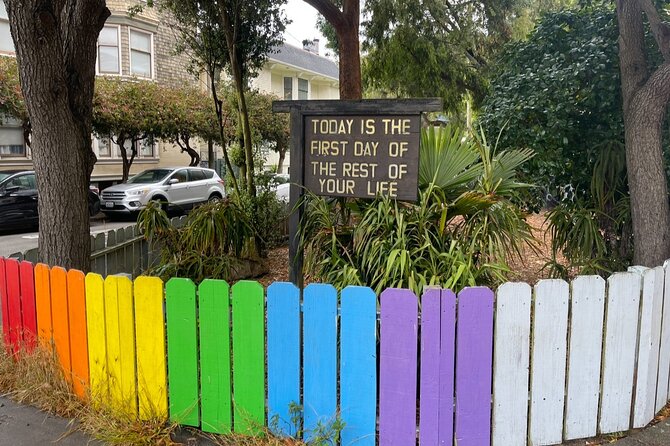
This tour starts at Harvey Milk Plaza in San Francisco (and yes, it’s a fitting place to begin). The tour runs at 3:00 pm and lasts about 1 hour 30 minutes. You’ll finish at The Mix at 4086 18th St, a popular local watering hole where you can naturally continue the evening after your last stop.
A big practical plus: it uses a mobile ticket, and the meeting point is near public transportation. That matters in San Francisco, where getting to the right corner can be half the battle. Also, it’s a maximum of 10 people, so you’re not trying to hear a guide over a crowd.
You’ll want to dress for walking. The pace is friendly and built around short stops, but the tour does require moderate physical fitness. If you’re sensitive to topics connected to persecution during WWII, do know the tour includes a memorial stop centered on Nazi-era violence. This isn’t a light “hang out in a fun neighborhood” stroll, even though you’ll likely leave with a stronger sense of connection to the place.
Stop-by-stop: what you’ll learn from each landmark
This tour is structured like a timeline you can walk through. You’ll hit key sites, get enough time to look and absorb, and then move on before it turns into one long block of facts. Here’s how each part works and what to expect.
Stop 1: The Castro (30 minutes)
You’ll start with a focused walk through notable points in the Castro District—fun shops, restaurants, and bars along the route. This first section is where your guide sets the frame: what made the neighborhood a magnet for LGBTQ community life, how local businesses helped cement it, and how the Castro became a destination rather than a whisper.
This stop is also a “get your bearings fast” moment. You’ll see how the neighborhood layout supports community presence—social spaces right alongside historic markers. It’s a good phase for asking questions, because the guide can answer with examples you can immediately visualize while you’re still on the street.
Tip: if you care about photo timing, this is when you’ll likely want to pause. You’re not rushing toward a single building; you’re learning the street-level logic of the neighborhood.
Stop 2: Castro Theatre (10 minutes, not ticketed)
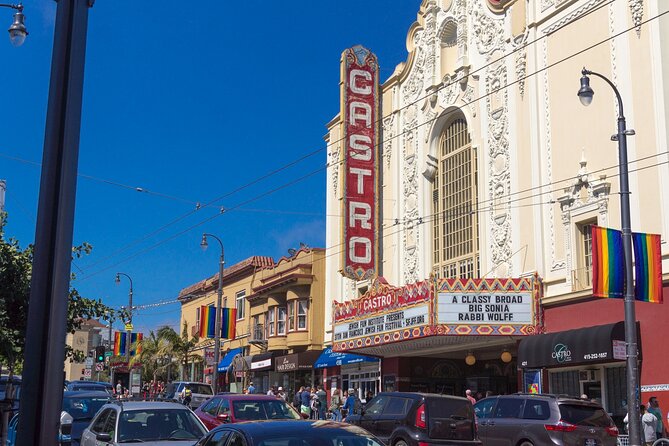
Next comes the Castro Theatre, one of the last historic movie palaces from the 1920s. The time is short, and admission isn’t included, which means you should treat this as a guided look and orientation rather than a full inside visit.
Even with that limitation, this stop is valuable. Historic theaters in the Castro weren’t just entertainment venues. They were part of how a community gathered and became visible in public. Seeing the building helps you connect the neighborhood’s cultural life to its political life.
If you want to go inside, you’ll need to plan that separately. The tour’s strength here is the story you’ll get outside: why the building matters and how it fits into the Castro’s broader identity.
You can also read our reviews of more historical tours in San Francisco



Stop 3: GLBT Historical Society Museum (10 minutes, not entered)
Then you’ll stop at the GLBT Historical Society Museum. You don’t enter, but you do get something important out of the stop: the museum’s role in the neighborhood’s story, including its connection to the original rainbow flag.
This is the kind of stop that makes symbol history feel real. The rainbow flag can be easy to see as an icon. The guide explains it as a living, evolving message—tied to community identity, organization, and public recognition. You’ll also hear the background behind the neighborhood’s naming shifts, like why GLBT eventually became LGBT.
Consideration: because entry isn’t part of the experience, this isn’t for you if you want a museum-style experience with galleries and exhibits. It’s for you if you want the on-the-street context and then, if you wish, you can return later on your own.
Stop 4: Pink Triangles Memorial Park (20 minutes)
This is the stop with the emotional weight. Pink Triangles Memorial Park honors the approximately 15,000 gay and lesbian people killed during the Nazi regime from 1933–1945.
The guide’s job here is crucial: you need context to understand why the pink triangle became a symbol of both remembrance and resistance. This stop can be quiet in your group, because it deserves that space. It’s also where you’ll feel the Castro tour doing real work beyond entertainment.
Practical tip: give yourself a moment to slow down. Don’t rush through this part for the sake of keeping up. If you’re traveling with someone who prefers less intensity, it’s still manageable, but it helps to know this stop is intentionally serious.
Stop 5: Twin Peaks Tavern (20 minutes, then you wrap up at The Mix)
You’ll finish with Twin Peaks Tavern, described as one of the first bars on the strip that helped solidify the Castro’s place as a gay Mecca. It’s another “community in public” marker—how social spaces supported visibility, safety, and identity.
Then the tour ends at The Mix, which gives you an easy next step. If you want to keep the conversation going, this is exactly where you’d want to do it—right after the guide closes out the timeline.
This ending is one reason I like the structure. You don’t end stranded. You end near a real local hangout, where you can decompress and decide what you want to explore next on your own.
The guide makes the difference: timeline pacing, comfort, and passion
This tour is only 90 minutes, so the guide has to be precise. A strong guide keeps the story moving in a clean sequence: building, event, symbol, community effect. The reviews connected to this experience describe that kind of energy—someone who’s passionate about San Francisco and knows how to transition through time without losing people.
I also appreciate the social comfort factor. If you’re coming alone, this kind of small-group walking tour can feel intimidating before you start. But a good guide sets a tone quickly—friendly, engaging, and focused on making you feel at ease as the walk continues. One guide named Eric Curry is specifically mentioned in the information you provided, and the common thread is that his delivery makes the content feel both accessible and meaningful.
So if you care about more than just facts—if you want clarity and a story that actually sticks—this guide-led format is a real asset. It turns scattered history into a line you can follow.
Price and value: getting a lot of story per $39
At $39 per person, this is not a “budget snack” tour, but it also isn’t priced like an all-day production. The value comes from the mix of factors you get for that price:
- Small group size (max 10 people) means more attention than large bus-style tours.
- Multiple landmark stops in a compact route—especially the memorial and the museum-symbol stop.
- A local guide who explains not just what things are, but why they matter.
- Admission is free for some stops, which helps you avoid surprise costs if you’re not planning to enter buildings.
Two stops have a note that admission is not included: the Castro Theatre and the GLBT Historical Society Museum. That’s normal for a walking tour that focuses on seeing and context. You should just know that if you want to go inside and fully explore, you may need to handle that on your own.
My take: for many visitors, $39 is fair because you’re paying for guided interpretation across several key LGBTQ sites in a short amount of time. If you’re the type who likes to understand what you’re looking at, you’ll feel like you got your money’s worth.
What to expect overall: how heavy topics fit with a neighborhood walk
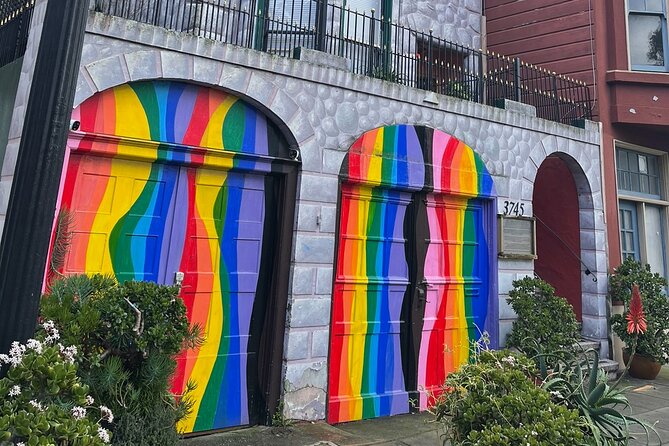
This is a history walk, and it includes a memorial stop tied to genocide. That means the mood can shift. The tour isn’t trying to be one-note. It moves from community formation and public visibility to cultural landmarks and then into remembrance.
At the same time, it doesn’t ignore everyday life. You’re shown places connected to bars and neighborhood gathering. That balance is important: it keeps LGBTQ history from being only about pain. You see community presence as something built, protected, and sustained.
Also, the guide spends time on practical “why” questions. You’ll hear about why the naming changed from GLBT to LGBT and what the rainbow flag colors represent. Those details help you read signs, posters, and symbols you’ll see after the tour ends.
If you want a tour that’s only light and entertainment-focused, this probably isn’t it. If you want a walk that treats LGBTQ history as part of San Francisco’s real public landscape, it fits very well.
Who this tour suits best (and who should think twice)
This tour is ideal if you:
- Like guided walking tours with short stops and clear explanations.
- Want to understand LGBTQ history in the Castro through specific landmarks, including Pink Triangles Memorial Park.
- Care about symbols—especially the rainbow flag and how community identity became visible in public life.
- Prefer a small group experience at an easier walking duration.
You might think twice if you:
- Need a fully inside museum experience with long time inside exhibits (because the GLBT museum stop is described as not entered).
- Want to skip the heavy topic at the memorial park.
- Have very limited mobility, since the tour is still a walking route with moderate fitness expectations.
Should you book the Castro District LGBTQ+ Historic Tour?
Yes, if your goal is to understand the Castro beyond the postcard version. This is one of those tours where the route makes sense: you start at a major figure’s namesake plaza, you see cultural anchors like the Castro Theatre, you learn how the community remembers itself through the museum symbolism, you stop at Pink Triangles Memorial Park with context, and you end at a real hangout.
Book it if you like learning the “why” behind what you’re seeing—especially the rainbow flag story and the neighborhood’s evolution from GLBT to LGBT. Plan to stay present for the memorial stop, and you’ll leave with a clearer sense of how LGBTQ activism, culture, and public space grew together in San Francisco.
If your dream day is nonstop entertainment and you don’t want to touch WWII-era persecution topics, look for something lighter. But if you want a compact, meaningful walk with a local guide and a satisfying place to end, this is a solid call.
FAQ
How much does the Castro District LGBTQ+ Historic Tour cost?
It costs $39.00 per person.
How long is the tour?
The tour lasts about 1 hour 30 minutes.
Where does the tour start and end?
It starts at Harvey Milk Plaza in San Francisco and ends at The Mix at 4086 18th St, San Francisco.
What time does the tour run?
The start time listed is 3:00 pm.
Does the tour use a mobile ticket?
Yes, the tour includes a mobile ticket.
Which stops are included on the walking route?
You’ll visit The Castro area, the Castro Theatre (time stop), the GLBT Historical Society Museum (time stop without entering), Pink Triangles Memorial Park, and Twin Peaks Tavern.
Are tickets for the Castro Theatre and GLBT Historical Society Museum included?
No. Admission for those two stops is not included.
Is the group size small?
Yes. The tour has a maximum of 10 people.
Is it suitable if I have only moderate walking ability?
The tour notes travelers should have a moderate physical fitness level.
Can I cancel for free?
You can cancel for a full refund if you cancel up to 24 hours in advance of the experience start time.