REVIEW · SAN FRANCISCO
San Francisco: Food Walking Tour of Chinatown & North Beach
Book on GetYourGuide →Operated by Local Tastes of the City Tours · Bookable on GetYourGuide
Food meets film history on foot. This Chinatown and North Beach tour pairs real neighborhood flavor with stories from the Beat era. I especially love the fortune cookies made by hand moment and the way the tour turns snack stops into a mini culture lesson with tea and coffee tastings. The main catch: you’re walking at a steady pace, and there are uphills that could feel tough if you have limited mobility.
You start at twilight in Chinatown, right by the Chinatown Gate, and the guide steers you toward food you’d miss on your own. Along the way, you’ll hit key sights tied to Chinese immigrant life and street art, then cross into North Beach for Italian-American tastes and the kind of history San Francisco is famous for. In recent runs, guides like Brian and Ryan have been praised for turning local details into clear, fun storytelling, so it doesn’t feel like a history lecture between bites.
By the time you reach North Beach, the tour doesn’t just say Francis Ford Coppola and the Beat Generation are important—it points you to the places tied to The Godfather screenplay and where Steve Allen got his start. You also get to sample locally made pizza, plus wine and coffee-style stops that match the area’s habits. If you’re hoping for zero walking or zero hills, this isn’t the smoothest option.
In This Review
- Key things I’d highlight before you go
- Starting at the Chinatown Gate, when the neighborhood feels like a story
- Chinatown by twilight: dim sum first, then the food art
- Fortune cookies made by hand: the stop that turns a snack into a show
- Tea in Chinatown, coffee energy in North Beach: the flavor contrast that makes sense
- North Beach history you can actually point at: Godfather and Steve Allen
- Italian craft and pottery hunting: shopping, but in a thoughtful way
- Locally made pizza, plus wine and coffee: the finish that feels like a meal
- How much walking is involved, and what to plan for
- Price check: is $94 worth it for food, drinks, and guided history?
- Who this tour fits best (and who might want something else)
- Should you book this Chinatown & North Beach food walk?
- FAQ
- FAQ
- Where does the tour meet?
- How long is the San Francisco Chinatown & North Beach food walking tour?
- What is included in the price?
- Is transportation included?
- What languages are available for the live guide?
- What is the cancellation policy?
Key things I’d highlight before you go
- Hand-made fortune cookies: Watch them being made, not just eaten.
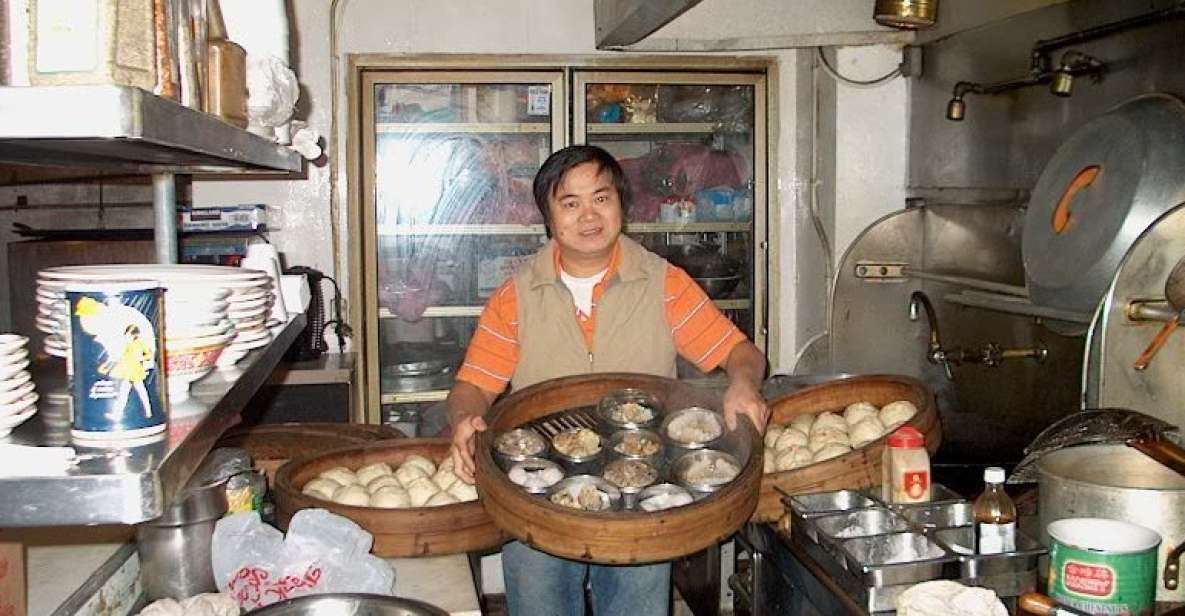
- Twilight Chinatown food stops: Dim sum from an older bakery setting the tone early.
- Tea and coffee comparisons: Chinatown teas and North Beach coffee culture in one route.
- North Beach film and Beat-era spots: The Godfather screenplay location and Steve Allen’s origin point.
- Pizza and wine finish: A satisfying end that feels like the neighborhoods, not a generic restaurant stop.
Starting at the Chinatown Gate, when the neighborhood feels like a story
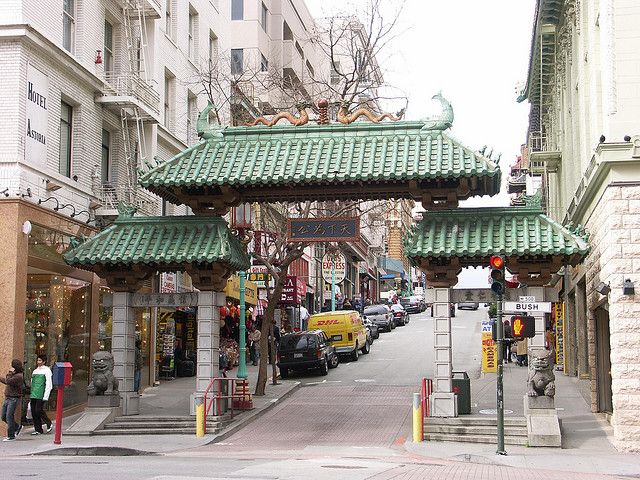
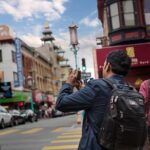
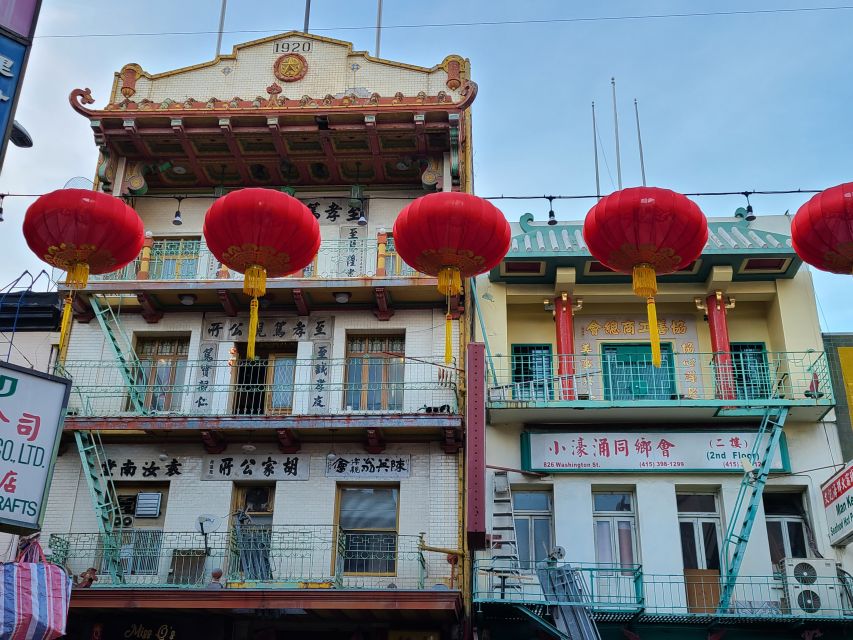
Your tour meets at the Chinatown Gate at the corner of Bush and Grant Street. That location matters because it puts you at the edge of a neighborhood people often rush through, then asks you to slow down for the details that give Chinatown its identity.
I like tours that begin in the right mood. Twilight works well here: storefronts and lantern lighting make the streets feel calmer and more cinematic, and you’re not fighting midday crowds. The guide keeps the flow tight—enough narration to help you understand what you’re seeing, but not so much that you’re stuck standing still between tastings.
If you’re the type who wants to know how San Francisco neighborhoods formed their food culture, this start is a good move. Chinatown and North Beach aren’t just “two places to eat.” They’re two communities with different rhythms, and the tour builds that contrast on purpose.
You can also read our reviews of more walking tours in San Francisco

Chinatown by twilight: dim sum first, then the food art
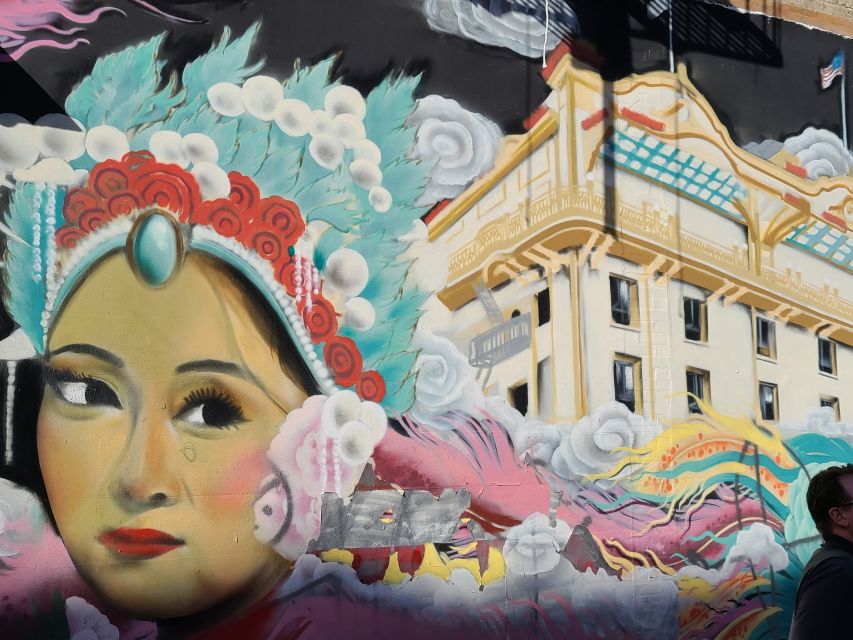
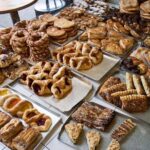
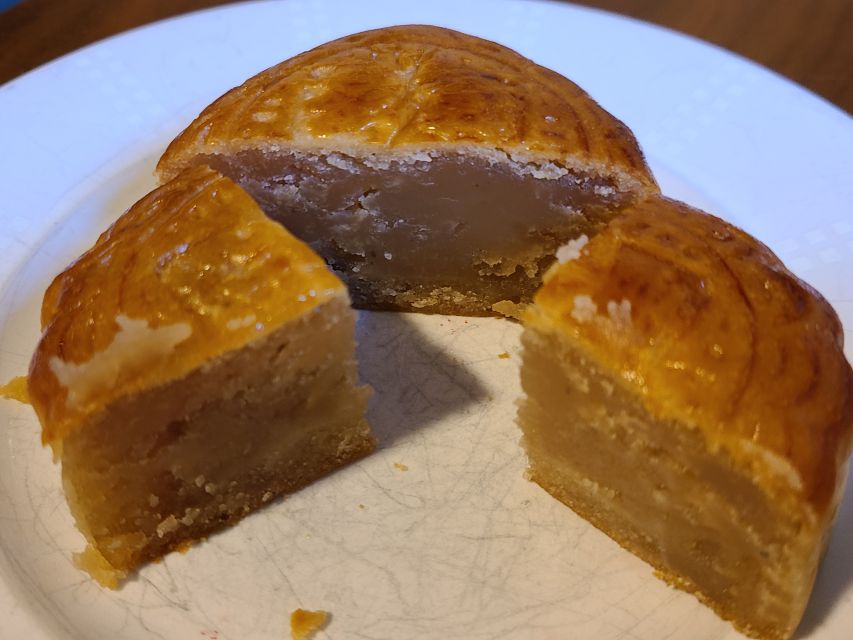
Once you’re inside Chinatown, the tour leans into comfort-food momentum. You’ll begin with dim sum tasting from one of the oldest bakeries in the area. That’s a smart way to start: dim sum isn’t a tiny sample you forget in five minutes. It’s a practical intro to flavors that vary by shop and region, and it gives you a baseline before the guide starts pointing out the symbolism around you.
After the first bites, you shift from eating to observing. You’ll look at Chinese sculpture and architecture, which sounds abstract until your guide connects the visuals to how people lived, sold, and celebrated in the neighborhood. Even if you’ve walked Chinatown before, having someone explain what you’re looking at usually changes the whole experience.
And then comes the part people remember.
Fortune cookies made by hand: the stop that turns a snack into a show
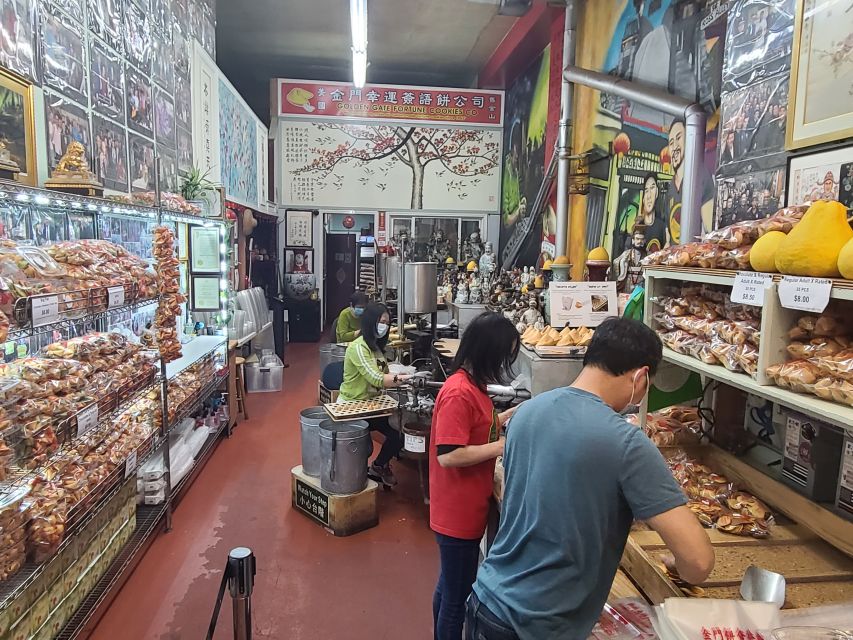
The fortune cookie moment is a highlight for a reason: it makes something familiar feel fresh. Instead of treating fortune cookies like a generic takeaway dessert, you watch the hand-making process up close, guided step-by-step by whoever is demonstrating.
Why this is worth your time: you get to see the work behind a snack that most people think of as mass-produced. It also gives you a cultural entry point the rest of the tour can build on. The guide connects the practice to broader ideas of craft, tradition, and how everyday food becomes part of community identity.
I’d call this the best “pay attention” stop on the route. If you tend to drift during tours, make sure you focus here. You’ll get a clearer appreciation for what you’re eating, and you’ll feel like you’re participating instead of just consuming.
Tea in Chinatown, coffee energy in North Beach: the flavor contrast that makes sense
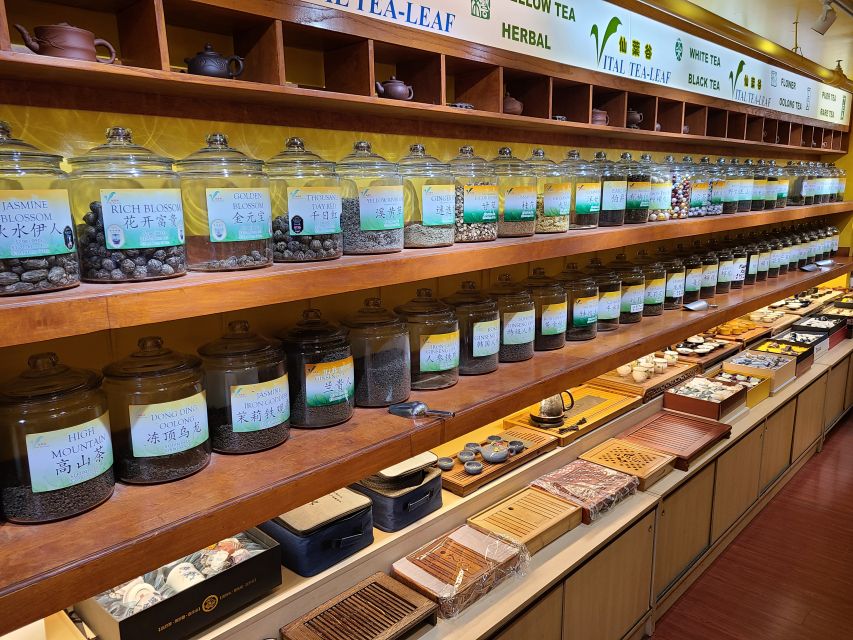
One of the smarter design choices on this tour is the way it treats tea and coffee as cultural signals. The guide frames it as a simple idea: tea is to Chinatown as North Beach is to coffee. That comparison isn’t just branding. It helps you understand why the tastings fit the neighborhoods.
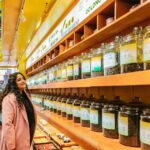
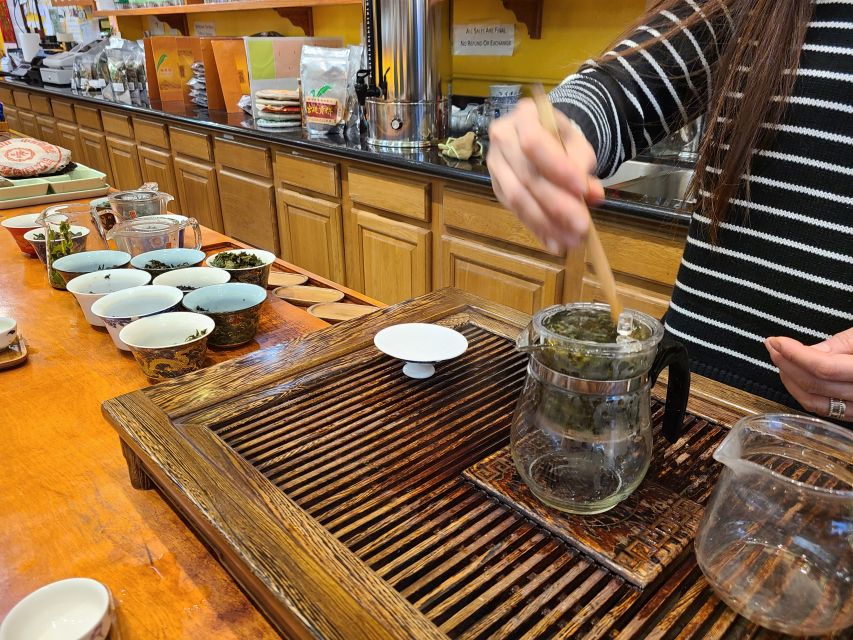
In Chinatown, you’ll sample teas tied to local tradition and food culture. This is where the tour can surprise you. One common favorite from past tours has been the tea shop stop because it feels both informative and genuinely good to taste, not forced or salesy. You’ll likely leave with more than one new flavor you want to seek out again.
Then the tour starts guiding your senses northward. As you transition toward North Beach, you’ll find coffee flavor stops that follow the neighborhood’s vibe. The tour description also notes fresh ground beans and cappuccino-style tasting in the areas connected to the Beat Generation’s early days—again, not random caffeine, but tied to place.
If you’re someone who plans trips around food and wants a narrative you can taste, this tea-to-coffee contrast is a solid payoff.
North Beach history you can actually point at: Godfather and Steve Allen
North Beach is where San Francisco starts showing its film and literary bones. The tour takes you to the very place tied to Francis Ford Coppola writing The Godfather screenplay. That’s the kind of fact that sounds neat until you’re standing there looking at the street and imagining the work happening nearby.
You’ll also visit the location where Steve Allen got his start. The tour description notes that the performance location has not changed from when they performed there, which gives the story weight. It’s one thing to read about the Beat era. It’s another thing to walk up to a spot where that early stage energy lived.
What I like about this portion is the balance. You’re not only chasing movie trivia. You’re also seeing how those creative communities shaped the neighborhood’s identity—why North Beach still feels like it has a voice.
And yes, you’ll get real food during this leg too, not just photo stops. That matters because food grounds the history in everyday life.
You can also read our reviews of more food & drink experiences in San Francisco

Italian craft and pottery hunting: shopping, but in a thoughtful way
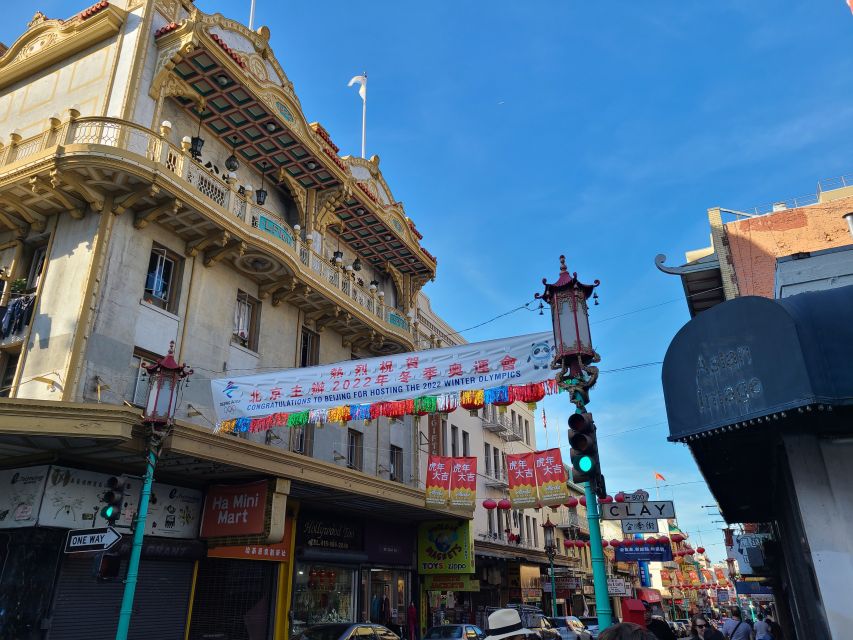
Chinatown and North Beach don’t just share snacks. They share small business energy—craft and objects that help people recognize what a neighborhood values.
As you move through the route, the guide looks out for authentic Chinese and Italian crafts, plus pottery and other details. This isn’t a high-pressure shopping stop. It’s more like: here’s what local artisans make, and here’s how those objects connect to the people who live and work here.
I find this section useful because it teaches you how to browse. You start noticing materials, work style, and craftsmanship choices instead of walking past them automatically. Even if you buy nothing, you’ll see the neighborhood differently afterward.
Locally made pizza, plus wine and coffee: the finish that feels like a meal
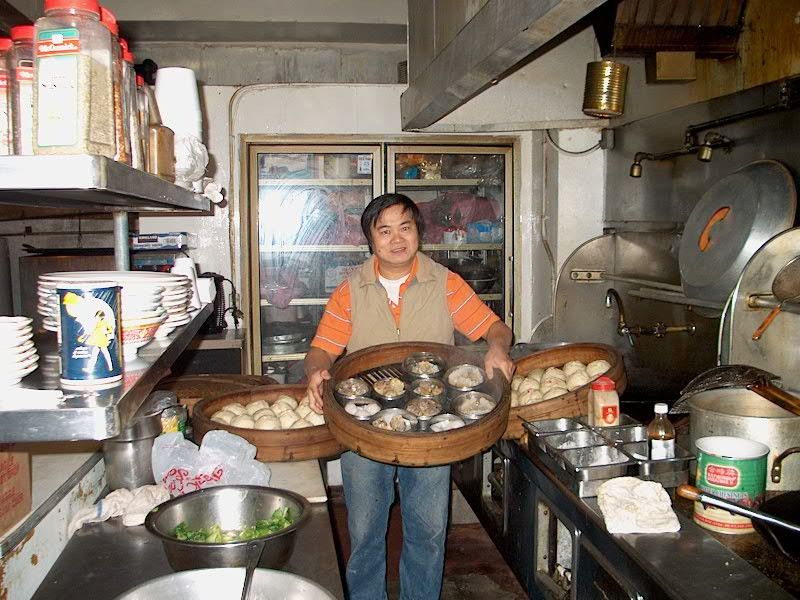
As the tour wraps up, the food gets more satisfying—more like something you’d call lunch or a late afternoon dinner. The highlights include locally made pizza and wine in North Beach. That’s a great closing combo for two reasons.
First, you’ve spent the earlier part of the tour with dim sum, tea/coffee, and fortune cookies. Adding pizza and wine gives you a familiar structure: savory, shareable, and easy to remember.
Second, it keeps the ending tied to the neighborhood’s habits. North Beach has always been about people gathering. Finishing with pizza and a drink feels like you’re part of that tradition, not just passing through.
If you’re a foodie, this is also where you can reflect on the full arc of the route. Chinatown’s bite-sized, hands-on snacks contrast with North Beach’s comfort-food comfort—then both come together in a way that feels coherent.
How much walking is involved, and what to plan for
This is a walking tour. It’s four hours long, and the route includes uphills. If you have CHF or other conditions that make hills difficult, take that seriously. One past participant noted the uphills were the hardest part for their husband, and the guide was gracious about slower pace—but the physical challenge still mattered.
My practical advice is simple: wear supportive shoes and plan to take it easy on steep moments. If you’re traveling with mobility issues, I’d consider either speaking to the provider in advance or choosing a different activity that involves less elevation.
Also, bring a little patience. When a tour includes multiple tasting stops, you’ll be moving fairly often. That’s part of the fun, but it helps to be ready for it.
Price check: is $94 worth it for food, drinks, and guided history?
At $94 per person for a 4-hour walking tour, this is not a bargain. But it can be good value depending on how you eat.
Here’s why the price can pencil out:
- Food and drinks are included: You’re sampling dim sum, teas, coffee-style beverages, fortune cookies (including the hand-making), and pizza plus wine.
- You get guided storytelling tied to specific places: The Godfather screenplay location and Steve Allen’s origin stop add meaning that most self-guided food walks don’t provide.
- You’re saving time: Instead of planning where to eat in two neighborhoods and hoping you pick the best spots, the guide strings it together for you.
The tour description also includes a guide and walking tour as part of the package, and that’s key. Good guides keep you from wasting time wandering into the wrong kind of stop. Based on the guide feedback you can find—people praising guides like Brian, Scott, Andre, Cynthia, Isabella, and Doug—the experience tends to deliver both food variety and clear neighborhood context.
If your travel style is eat-first, learn-second, you’ll still likely feel you got your money’s worth. If your style is only “one nice meal,” you might be paying for more tastings than you need.
Who this tour fits best (and who might want something else)
This tour fits you if you:
- want food with place-based stories, not just a list of restaurants
- enjoy both Chinese and Italian flavors and want to compare the cultures in one afternoon
- like seeing specific spots tied to the Beat Generation, The Godfather screenplay, and San Francisco’s street-level history
It might not fit you as well if:
- you strongly dislike walking or steep hills
- you prefer a slower sit-down meal over multiple short tastings
- you’re not interested in the historical storytelling components and would rather keep things strictly culinary
That said, the tour’s structure is designed so food does most of the work. Even if history isn’t your main interest, the tastings keep you engaged.
Should you book this Chinatown & North Beach food walk?
If you want one memorable afternoon that mixes Chinatown craft and North Beach creativity with real eating, I’d say book it. This tour works best when you show up hungry and curious, then let the guide do the connecting.
I especially think it’s worth it if you’ve never taken a neighborhood-focused food walk in San Francisco. The route gives you a practical way to understand why these neighborhoods taste the way they do—and why movie and literary legends left their footprints here alongside immigrants, shopkeepers, and artisans.
Before you go, just do one honest check: the hills. If that’s a problem for you, plan differently or bring someone who can help you keep pace at your comfort level.
FAQ
FAQ
Where does the tour meet?
Meet in front of the Chinatown Gate at the corner of Bush and Grant Street.
How long is the San Francisco Chinatown & North Beach food walking tour?
The duration is listed as 4 hours.
What is included in the price?
The tour includes a walking tour, a guide, and food and drinks.
Is transportation included?
No. Transportation is not included.
What languages are available for the live guide?
The tour guide is listed as English.
What is the cancellation policy?
Free cancellation is available up to 24 hours in advance for a full refund.